
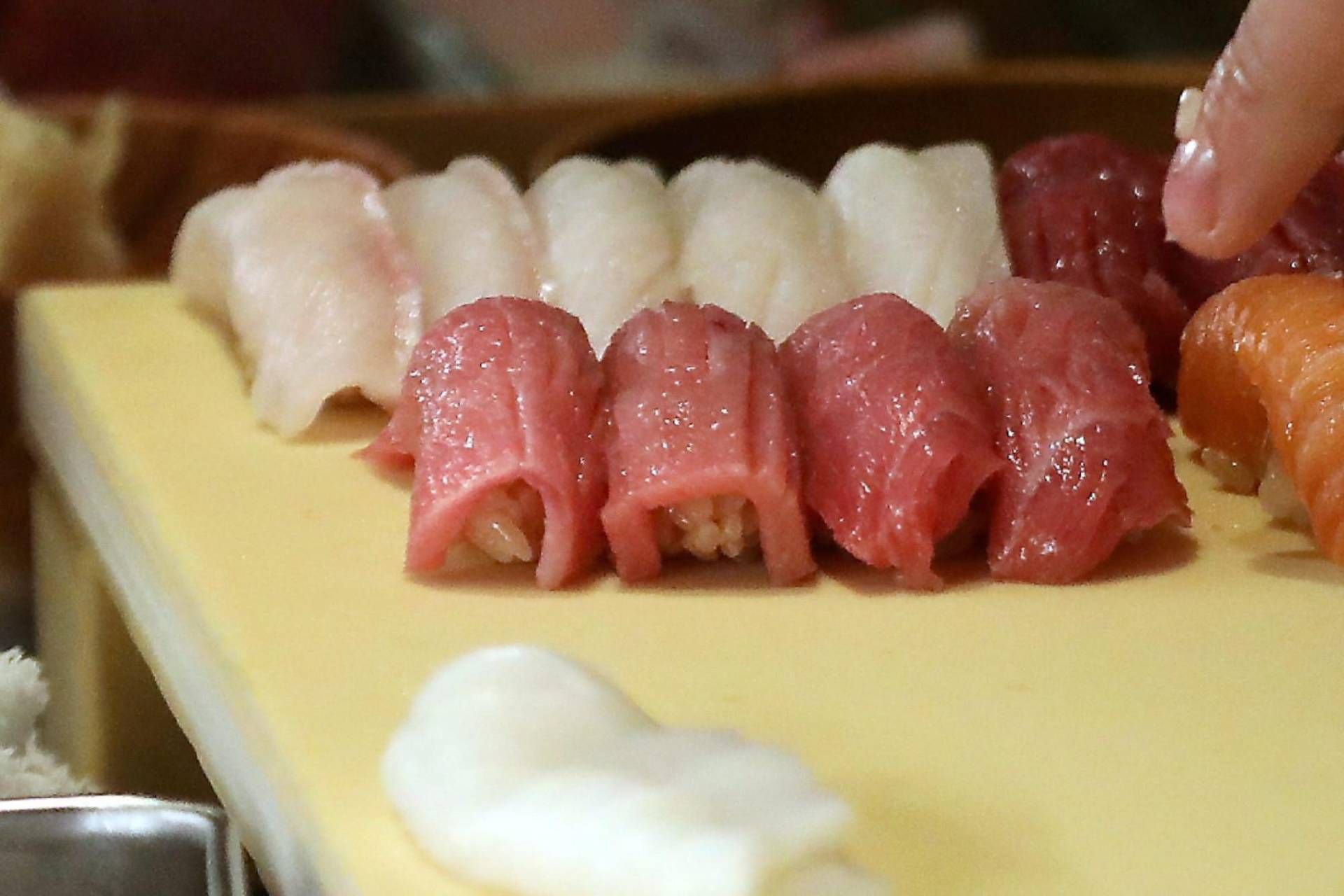
A 30-year-vintage neuroscientist is hospitalized in Rome with acute hepatitis following a sushi dinner, prompting medical experts to consider a diagnosis beyond typical foodborne illness. Brandon Matteo Ascenzi, from Anagni, was admitted to the Spallanzani hospital, a leading infectious disease center, after experiencing rapidly escalating liver inflammation.
Initial symptoms, appearing roughly a week after the meal, included a fever of 38 degrees Celsius. This was followed by a temporary improvement, before a sudden worsening characterized by dark orange urine and increasing fatigue, according to reports. Blood tests revealed alarmingly high transaminase levels – reaching 3500, significantly above the normal range of 20 to 40 – indicating severe liver damage.
While initial concerns centered on Anisakiasis, a parasitic infection commonly associated with raw fish, doctors are now exploring other possibilities. “The case… poses a diagnostic question that goes beyond the classic narrative of sushi disease,” stated Mauro Minelli, an immunologist and professor of Human Nutrition at Lum University, speaking to Adnkronos Salute. “An enzymatic value so explosive is certainly not the typical finding of an intestinal parasitosis, but the signal of a massive hepatic insult that requires analysis on at least three levels.”
Minelli explained that acute liver distress following seafood consumption often points to viral transmission, specifically Hepatitis A or E. In such cases, the fish itself isn’t the source of the virus, but rather a vehicle for contamination occurring through polluted storage waters or, more frequently, unhygienic handling during preparation. Unlike parasitic infections, the virus doesn’t require the fish to be a natural host. accidental contact during the cold chain or kitchen processing is sufficient to trigger infection.
Beyond viral and parasitic causes, doctors are also considering a rarer form of parasitic involvement: the ectopic form of Anisakiasis. In this scenario, the larval worm, equipped with a penetrating tooth and lytic enzymes, can burrow through the stomach wall and migrate to the liver. This doesn’t cause a simple lesion, but triggers a granulomatous inflammatory response as the immune system attempts to contain the parasite, potentially leading to a significant release of transaminases.
Another possibility being investigated is an immuno-allergic reaction to a protein called Ani s3, a tropomyosin found in Anisakis. This protein shares similarities with allergens found in dust mites, crustaceans, snails, and even cockroaches, potentially triggering reactions even in individuals who have consumed properly frozen fish, as the allergen is heat-resistant. However, Minelli emphasized that such an allergy would not typically cause transaminase levels to reach 3500, indicating a direct physical damage to liver cells.
Ascenzi, a biologist currently completing his medical degree, stated he is receiving intensive care at Spallanzani and hopes to be discharged within days to continue therapy at home with regular liver function monitoring. He believes his condition is linked to consuming improperly treated fish.
Minelli stressed the importance of vigilance throughout the food supply chain, emphasizing that safety relies not only on freezing to kill parasites but also on maintaining hygienic conditions and ensuring the health of the waters from which the fish are sourced. Investigations are ongoing to determine the source of the contamination and prevent further cases.
