Surgical Site Infection: Elective vs. Emergency Abdominal Surgery
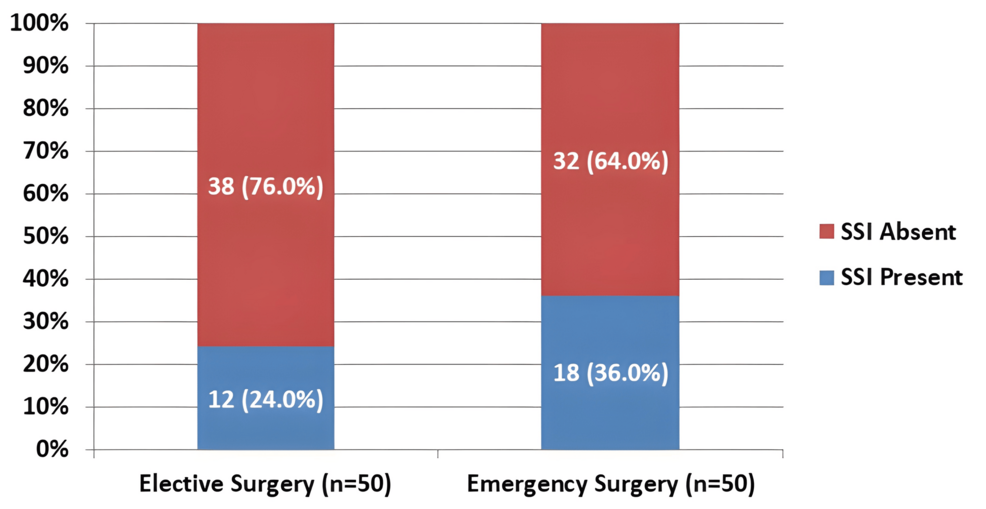
Surgical site infections following abdominal operations remain a critical challenge in modern clinical practice, driving up morbidity rates, hospital readmissions, and healthcare expenditures. A prospective comparative study published in Cureus investigates the distinct incidence rates of these complications between elective and emergency abdominal surgeries, shedding light on underlying risk factors and patient outcomes. Understanding these infection patterns is essential for shaping effective postoperative care protocols and reducing preventable hospital complications.
Key Clinical Takeaways:
- Emergency abdominal procedures demonstrate a significantly higher rate of surgical site infections compared to elective interventions, driven by tissue contamination and delayed presentation.
- Patient comorbidities, including diabetes mellitus, advanced age, and elevated American Society of Anesthesiologists (ASA) physical status scores, serve as primary predictors of postoperative wound complications.
- Implementing standardized perioperative antibiotic prophylaxis and optimized wound management significantly mitigates overall infection risks across surgical cohorts.
Epidemiological Contrast Between Elective and Emergency Abdominal Interventions
Abdominal procedures carry inherent risks of bacterial contamination due to the opening of the gastrointestinal tract. However, the clinical context under which an operation is performed alters the baseline risk profile substantially. According to the findings detailed in the Cureus study, emergency operations—such as exploratory laparotomies for acute trauma, bowel perforation, or acute appendicitis—present a markedly elevated incidence of surgical site infections compared to scheduled elective procedures like elective hernia repairs or elective cholecystectomies.
This variance stems from multiple pathophysiological factors. Elective surgeries allow for meticulous preoperative bowel preparation, optimized patient nutrition, and controlled administration of prophylactic antimicrobials. Conversely, emergency surgeries often involve pre-existing tissue ischemia, gross peritoneal contamination, and systemic inflammatory responses that overwhelm the local host defense mechanisms. When surgical teams manage these urgent cases, the physiological reserve of the patient is frequently compromised, increasing vulnerability to opportunistic pathogens such as Staphylococcus aureus and enteric Gram-negative bacilli.
Pathogenesis and Patient-Specific Risk Factors
The pathogenesis of a surgical site infection involves a complex interplay between bacterial inoculation size, virulence, and host immune competence. The prospective research evaluated patient demographics, intraoperative variables, and wound classifications—ranging from clean to dirty-infected—to identify independent predictors of infection. Advanced age, prolonged operative duration, and high ASA physical status classifications emerged as prominent indicators of poor postoperative wound healing.
For patients facing complex abdominal procedures, identifying these risk markers before the operation allows surgical teams to adjust their intraoperative techniques, such as utilizing negative pressure wound therapy or delayed primary closure in contaminated fields. For ongoing management and specialized postoperative monitoring, consulting with vetted board-certified general surgeons ensures that any early signs of incisional breakdown or superficial dehiscence are addressed promptly.
Clinical Triage and Postoperative Surveillance Strategies
Mitigating the burden of surgical site infections requires rigorous adherence to evidence-based bundles, including normothermia maintenance, strict glycemic control, and precise timing of prophylactic antibiotic administration. When patients develop signs of deep incisional or organ-space infections following discharge, rapid diagnostic workups involving blood cultures and cross-sectional imaging become necessary.
Navigating complex recovery pathways and coordinating long-term outpatient wound care often demands specialized multidisciplinary support. Patients requiring specialized post-acute evaluation can connect with experienced wound care specialists to manage delayed healing and minimize systemic complications. Furthermore, healthcare facilities aiming to optimize their infection control metrics frequently collaborate with clinical quality assurance auditors to refine institutional protocols and improve patient safety outcomes.
Future clinical investigations must continue to evaluate targeted interventions that bridge the gap between emergency triage and sterile execution, ultimately lowering the incidence of postoperative morbidity across diverse patient populations.
*Disclaimer: The information provided in this article is for educational and scientific communication purposes only and does not constitute medical advice. Always consult with a qualified healthcare provider regarding any medical condition, diagnosis, or treatment plan.*