Surgical Fear and Preference in Spine Disorders: A Prospective Study of Tomophobia and Tomophilia
Patient anxieties surrounding spinal procedures often dictate clinical trajectories just as much as anatomical pathology, according to a prospective investigation published in Cureus examining tomophobia and tomophilia among patients with spine disorders. The peer-reviewed study, titled “Surgical Fear and Preference in Spine Disorders: A Prospective Study of Tomophobia and Tomophilia,” highlights how psychological dimensions—specifically surgical phobia and an unusual preference for or attraction to surgery—influence clinical decision-making and patient outcomes.
Key Clinical Takeaways:
- Psychological profiling of spine disorder patients reveals distinct polarities between surgical dread (tomophobia) and surgical preference (tomophilia).
- Patient apprehensions directly impact procedural adherence, conservative management uptake, and post-operative satisfaction metrics.
- Integrating psychological screening into standard neurosurgical and orthopedic evaluations helps clinicians tailor shared decision-making models.
Epidemiological Impact and Psychological Barriers in Spinal Pathology
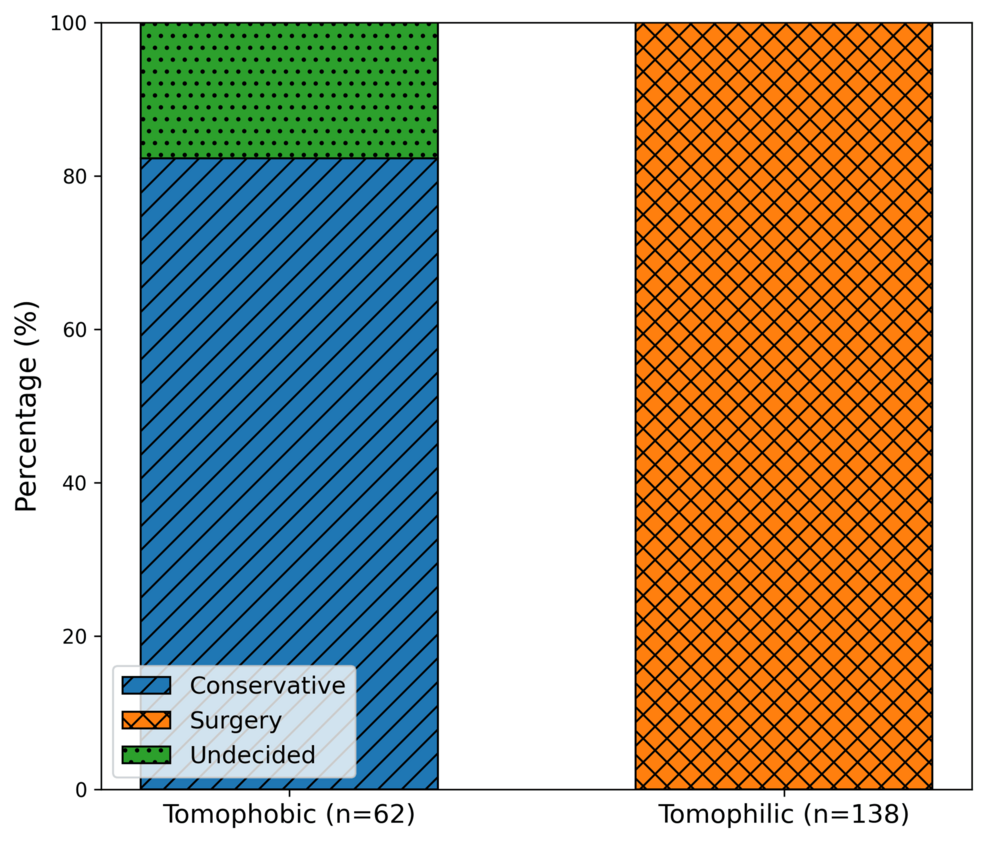
Managing degenerative disc disease, spinal stenosis, and chronic lower back pain requires navigating complex diagnostic thresholds where imaging findings frequently fail to correlate directly with patient-reported pain severity. Within this clinical environment, the psychological response to proposed interventions becomes a critical variable. According to findings detailed in Cureus, a subset of patients exhibit pronounced tomophobia—an irrational or paralyzing fear of undergoing surgical operations—which frequently leads to prolonged suffering and delayed care despite clear surgical indications.
Conversely, the study documents instances of tomophilia, where individuals demonstrate an uncritical preference for operative intervention, occasionally underestimating rehabilitation demands or surgical morbidity. Recognizing these divergent coping mechanisms allows multidisciplinary teams to refine preoperative counseling. For patients managing severe axial pain who experience paralyzing procedural hesitation, timely evaluation by specialists at vetted neurosurgical and spine centers ensures that evidence-based risk stratification supersedes unmanaged apprehension.
Pathogenesis and the Clinical Imperative for Shared Decision-Making
The pathogenesis of spinal disorders involves multifaceted biomechanical degeneration, yet the subjective experience of pain is heavily modulated by central nervous system sensitization and psychological factors. When patients present with high levels of tomophobia, standard of care protocols dictate a structured dialogue addressing specific patient fears regarding anesthesia, permanent neurological deficits, and extended recovery timelines. Clinical trials and prospective cohort analyses consistently demonstrate that unaddressed anxiety correlates with elevated post-operative pain perception and prolonged functional disability.
To bridge the gap between radiological indications and patient readiness, clinicians utilize comprehensive psychological questionnaires alongside physical examinations. Consulting with specialized pain management clinics provides patients with alternative non-operative modalities—such as targeted epidural steroid injections or structured physical therapy—while psychological support helps reframe operative interventions when conservative measures fail.
Future Trajectories in Personalized Spine Care
The insights generated by prospective evaluations of surgical fear underscore the necessity of individualized care pathways in modern orthopedics and neurosurgery. As healthcare systems move toward value-based models, understanding patient psychology before scheduling an intervention reduces unnecessary procedures among those with high tomophilia while reassuring anxious candidates through dedicated education. Future research will likely focus on validated screening tools that quantify surgical fear during initial consultations, ensuring that every patient receives care aligned with both their physiological pathology and their psychological readiness.
Disclaimer: The information provided in this article is for educational and scientific communication purposes only and does not constitute medical advice. Always consult with a qualified healthcare provider regarding any medical condition, diagnosis, or treatment plan.