
Surabaya Intensifies Polio Immunization Campaign Following VDPV2-N Virus Alert
Table of Contents
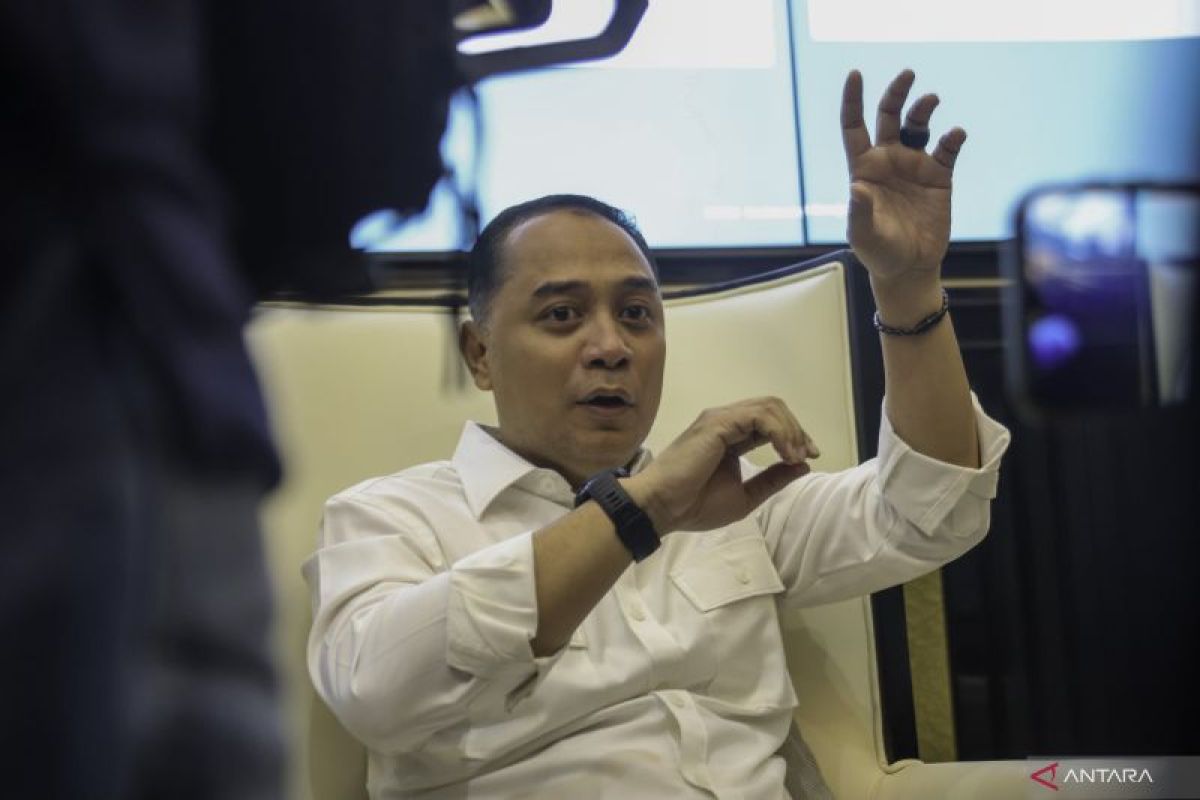
Surabaya, Indonesia – In response to the detection of the VDPV2-N polio virus in Papua New Guinea, the Surabaya City Government is urgently promoting polio immunization to safeguard its residents from potential outbreaks. Mayor Eri Cahyadi has issued a formal circular, SE Number 400.7.7.1 /12085/436.7.2/2025, outlining proactive measures to enhance preparedness and vigilance against the virus’s spread within the city.
Surabaya’s Proactive Polio Prevention Strategy
The circular issued by Mayor Cahyadi emphasizes a multi-pronged approach, urging all stakeholders, including government and private institutions, to actively participate in preventing and minimizing polio transmission. This initiative follows information released by the Indonesian Ministry of Health (Kemenkes) regarding the polio case in Papua New Guinea,highlighting the risk of the virus spreading to other regions,including Indonesia.
Did You Know? The last confirmed case of wild poliovirus in Indonesia was in 2006. Though, vaccine-derived poliovirus (VDPV) outbreaks can still occur in areas with low immunization rates.
Complete Immunization for Children
A key component of Surabaya’s strategy is ensuring complete polio immunization for all children aged 0-5 years. Mayor Cahyadi stressed the availability of free polio vaccines,including four doses of oral polio vaccine (BOPV) and two doses of inactivated polio vaccine (IPV),at all city health facilities,notably Puskesmas (community health centers). Parents are urged to verify their children’s immunization status and seek immediate vaccination if their children’s polio immunization is incomplete.
Beyond immunization, the city government is also calling for heightened surveillance. The public is urged to report any cases of paralysis, especially sudden paralysis in the legs, in children under 15 to the nearest Puskesmas or the Health Office (Dinkes).
The Importance of Hygiene and Sanitation
Prevention efforts extend beyond vaccination to include promoting clean and healthy living behaviors (PHBS). This includes regular handwashing with soap, using sanitary latrines, and maintaining overall environmental sanitation. The city government is also emphasizing the dissemination of accurate information about polio and the importance of PHBS through various channels, including social media, using infographics, posters, and leaflets.
Pro Tip: Regular handwashing with soap and water is one of the most effective ways to prevent the spread of many infectious diseases, including polio.
Community Engagement and Awareness
Surabaya’s approach underscores the importance of community engagement and shared duty in preventing the spread of polio and other infectious diseases. By increasing awareness and promoting proactive measures,the city aims to create a robust defence against potential outbreaks.
| Vaccine Type | Dosage | Availability | Target Age Group |
|---|---|---|---|
| Oral Polio Vaccine (BOPV) | 4 drops | Free at all health facilities (Puskesmas) | 0-5 years |
| Inactivated Polio Vaccine (IPV) | 2 injections | Free at all health facilities (Puskesmas) | 0-5 years |
Understanding Polio and Its Prevention
Poliomyelitis, commonly known as polio, is a highly contagious viral disease that primarily affects children under 5 years of age [[2]]. The virus typically spreads through the fecal-oral route or, less frequently, through contaminated water or food [[2]]. While most polio infections do not produce symptoms, in certain specific cases, the virus can invade the nervous system, leading to paralysis [[1]].
The global effort to eradicate polio has made significant progress, but the emergence of vaccine-derived polioviruses (VDPV) highlights the importance of maintaining high immunization coverage [[3]]. VDPVs are rare strains of the poliovirus that can emerge in under-immunized populations and can cause paralysis similar to the wild poliovirus.
polio: A Past Perspective and the Eradication Effort
polio, once known as “infantile paralysis,” has plagued humanity throughout history, leaving many children with lifelong disabilities [[3]]. The development of effective vaccines in the mid-20th century marked a turning point,leading to a global eradication initiative. While wild poliovirus has been eliminated in many parts of the world, challenges remain, including the emergence of vaccine-derived polioviruses (VDPVs) in areas with low immunization coverage.
The global polio eradication initiative, spearheaded by organizations like the world Health Organization (WHO) and the Pan American Health Organization (PAHO), focuses on vaccination campaigns, surveillance, and outbreak response. Continued vigilance and high immunization rates are crucial to achieving and maintaining a polio-free world.
Frequently Asked Questions About Polio
What is polio and how does it spread?
polio, or poliomyelitis, is a highly contagious viral disease that primarily affects young children. It spreads mainly through the fecal-oral route or, less commonly, through contaminated food and water [[2]].
What are the symptoms of polio?
Most people infected with polio have no symptoms. However, some may experience flu-like symptoms. In rare cases, the virus can cause paralysis, which is often irreversible [[1]].
How can polio be prevented?
Polio is preventable through vaccination. The polio vaccine is safe and effective and is typically administered in multiple doses to ensure full protection.
What is vaccine-derived poliovirus (VDPV)?
VDPV is a rare form of the poliovirus that can emerge in areas with low immunization coverage. it occurs when the weakened virus in the oral polio vaccine circulates in under-immunized populations and undergoes genetic changes,perhaps causing paralysis.
Is polio still a threat?
While significant progress has been made in eradicating polio, it remains a threat in some parts of the world. Continued vaccination efforts and surveillance are essential to prevent outbreaks and achieve global eradication.
Disclaimer: This article provides general information and should not be considered medical advice. Consult with a healthcare professional for any health concerns or before making any decisions related to your health or treatment.
What steps are you taking to ensure your family is protected from preventable diseases like polio? Share your thoughts and questions in the comments below!
