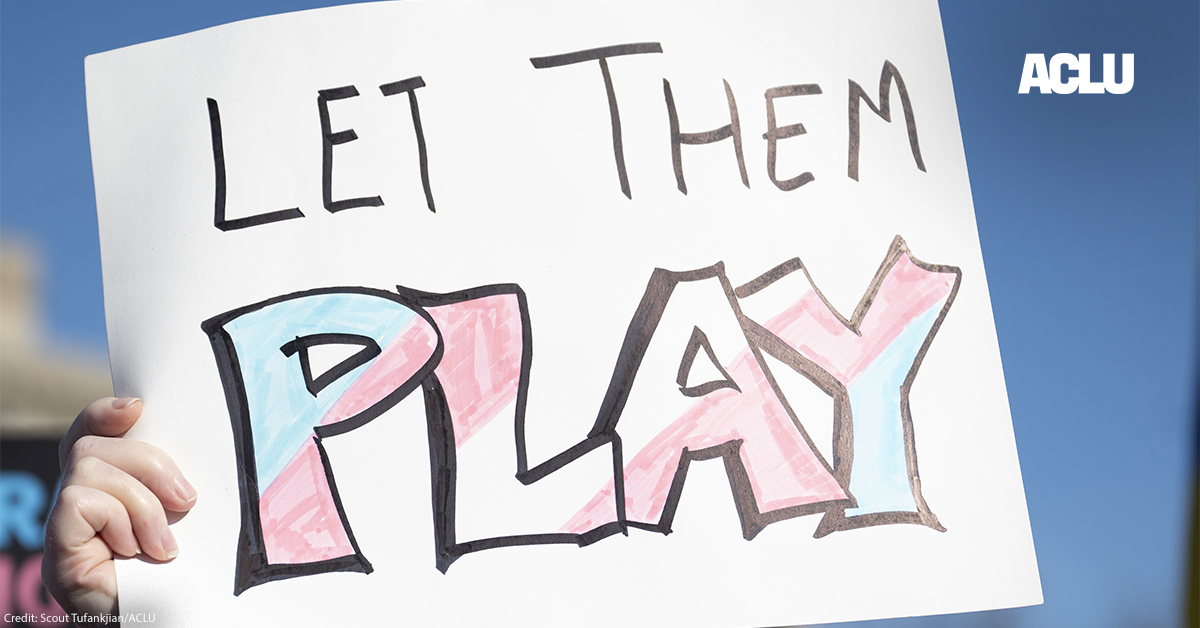
Supreme Court Upholds Transgender Bans in School Sports for Idaho and West Virginia
The U.S. Supreme Court upheld laws in Idaho and West Virginia that ban transgender girls and women from participating in school sports, ruling on July 10, 2026. The decision affirms state-level authority to restrict athletic participation based on biological sex, directly impacting thousands of students across these jurisdictions and setting a precedent for similar state laws nationwide.
This ruling creates an immediate legal and administrative hurdle for school districts and student-athletes. While the court focused on the legality of the statutes, the practical fallout lands on local administrators who must now enforce these bans without violating other federal protections. For families facing these restrictions, the need for specialized [Civil Rights Attorneys] has surged to determine if specific exemptions or alternative athletic opportunities exist under state law.
The Legal Basis for the Idaho and West Virginia Rulings
The Supreme Court’s decision centers on the interpretation of Title IX and the Equal Protection Clause of the 14th Amendment. In the cases involving Idaho and West Virginia, the court found that the states’ interests in “fair competition” and “biological differences” outweighed the claims of discrimination brought by transgender athletes.
According to the Supreme Court of the United States primary filings, the majority opinion suggests that states have the prerogative to define “sex” as biological sex at birth for the purpose of athletic categorization. This contradicts previous interpretations in some lower circuits that viewed “sex” as including gender identity.
The ruling effectively removes the federal injunctions that had previously paused these laws in certain districts. Schools in Boise, Idaho, and Charleston, West Virginia, are now mandated to implement these restrictions immediately.
It is a definitive blow to the legal strategy of using Title IX as a shield for gender-identity-based sports participation.
Impact on Local School Infrastructure and Administration
School boards in the affected regions are now grappling with the logistics of “sex verification.” The Idaho law, for instance, requires athletes to provide documentation of their biological sex, a process that has sparked concerns over student privacy and the potential for harassment.
Administrative burdens are increasing. Principals and athletic directors must now audit rosters and verify birth certificates or medical records. This shift in policy often leads to internal conflict within school districts, as some staff members may resist the enforcement of laws they deem discriminatory.
Because these mandates often trigger intense community polarization, many districts are seeking guidance from [Educational Consultants] to manage the social climate of their campuses and prevent the escalation of campus protests or targeted bullying.
Comparing the Legislative Approaches
While both states reached the same outcome in the Supreme Court, their legislative paths differed slightly:
| Feature | Idaho Legislation | West Virginia Legislation |
|---|---|---|
| Primary Focus | Strict biological sex definition at birth. | Focus on “competitive fairness” for biological females. |
| Enforcement | Direct verification of birth records. | Administrative oversight by state athletic associations. |
| Scope | K-12 Public Schools. | K-12 Public Schools and state-funded collegiate events. |
The Associated Press has noted that these laws are part of a broader trend across 20+ states that have passed similar restrictions. The Supreme Court’s refusal to overturn these specific laws signals a green light for other states to pursue identical legislation without fear of immediate federal blockage.
The Human and Psychological Toll
Beyond the legalities, the ruling has immediate psychological implications for transgender youth. Mental health professionals have warned that exclusion from sports—often a primary source of social support and identity for adolescents—can lead to increased rates of depression and social isolation.
Students who are now barred from their teams are not just losing a game; they are losing a community. This has created an urgent demand for [Mental Health Practitioners] specializing in gender-affirming care and adolescent crisis intervention to help students navigate the trauma of sudden exclusion.
The ruling doesn’t just change a roster; it alters the daily lived experience of students in these states.
Future Legal Challenges and Precedents
Legal analysts suggest that the battle will now shift from “right to participate” to “right to privacy.” If schools are required to verify biological sex, the methods used—such as physical inspections or intrusive documentation requests—may be challenged under the Fourth Amendment.
Furthermore, the ruling leaves open questions regarding private leagues and non-school-affiliated sports. The Americans with Disabilities Act (ADA) and other federal statutes may still provide avenues for challenge if gender dysphoria is categorized as a disability in specific legal contexts.
As the legal landscape shifts, the reliance on vetted professionals becomes paramount. Whether it is a school district needing a compliance audit or a parent seeking a legal remedy, the complexity of these laws requires expertise that goes beyond general practice.
The Supreme Court has spoken on the legality of the ban, but the social and administrative chaos it leaves behind is only beginning. Those caught in the crossfire will need to rely on the specialized expertise found within the World Today News Directory to navigate the legal and emotional wreckage of this decision.