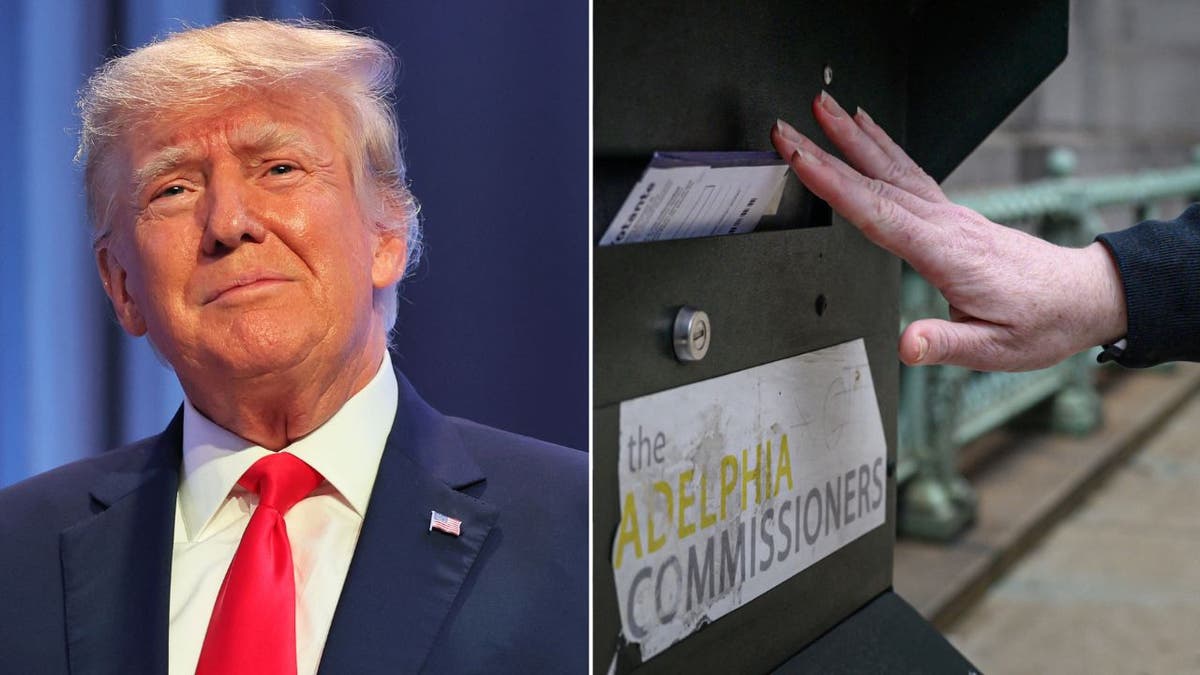
Supreme Court Rejects Trump Appeal Over Mail-In Ballot Barcodes
The U.S. Postal Service from imposing new restrictions on mail-in voting for the November midterms, rejecting an emergency appeal from President Donald Trump’s lawyers. According to Votebeat, the unsigned ruling keeps a lower court freeze in place, preserving existing ballot delivery procedures and halting a proposed system requiring unique barcodes and presubmitted voter lists.
The Legal Battle Over Postal Service Ballots
The high court’s decision marks the latest development in a months-long legal fight over executive action in federal elections. Postal Service to establish a system that would block the delivery of mail ballots to voters not included on a list presubmitted by state election officials, as reported by Votebeat. This directive sparked immediate challenges, leading to lawsuits filed by 23 Democrat-led states, voting rights groups, and Democratic organizations.
In June, U.S. District Judge Indira Talwani ruled that key provisions of the order were unconstitutional and issued an injunction blocking them for the 2026 elections. The Trump administration appealed that decision, bringing the dispute to the Supreme Court. While the justices temporarily lifted the injunction in late August on narrow procedural grounds because the Postal Service had not yet finalized its rules, the agency subsequently unveiled a 95-page plan. Following that release, Judge Talwani again placed the Postal Service plans on hold, prompting the administration’s latest emergency appeal.
Logistical Hurdles and Court Rationale
The disputed Postal Service rules would have required states to use a new online federal government portal to submit lists of eligible mail-in voters, alongside strict ballot envelope design standards and unique barcodes checked by the postal agency. As noted in coverage by Votebeat, a bipartisan group of election officials across the country warned that they lacked the time, money, and administrative resources to comply with these sweeping changes ahead of the November midterms.
In the unsigned ruling, the Supreme Court justices stated that the government was unlikely to succeed on the merits of its challenge against the lower court’s ruling. Justice Brett Kavanaugh noted in a concurrence that while there was at least a fair prospect that the final rule fell within the Postal Service’s statutory authority, state and local election officials did not have sufficient time to reasonably implement the changes before the elections. Justices Samuel Alito and Clarence Thomas dissented, arguing that the rules were likely to be upheld and should have been allowed to proceed.

With the Supreme Court denying the emergency stay, mail voting for the 2026 election will function largely the same way it has in previous cycles. States that have already distributed mail ballots can continue processing them without the interference of the proposed federal barcode tracking and presubmission requirements. While the ruling leaves open the broader question of whether the Postal Service rules are legal for future implementation, the immediate administrative hurdles for this election cycle have been cleared.
Disclaimer: The views and cultural analyses presented in this article are for informational and entertainment purposes only. Information regarding legal disputes or financial data is based on available public records.