
Subcutaneous Levodopa Infusion Offers New Hope for Parkinson’s Patients in Sardinia
Table of Contents
A 71-year-old man from Oristano, Sardinia, has become the first patient in Italy to receive a novel subcutaneous infusion of Levodopa, a critical medication for managing Parkinson’s disease. The groundbreaking procedure took place on Wednesday, August 6, at the San Martino Hospital in Oristano, offering a potential breakthrough for individuals experiencing advanced stages of the debilitating neurological condition. This innovative treatment aims to significantly improve the quality of life for patients grappling with motor fluctuations and sleep disturbances.
understanding the Challenges of conventional Levodopa Therapy
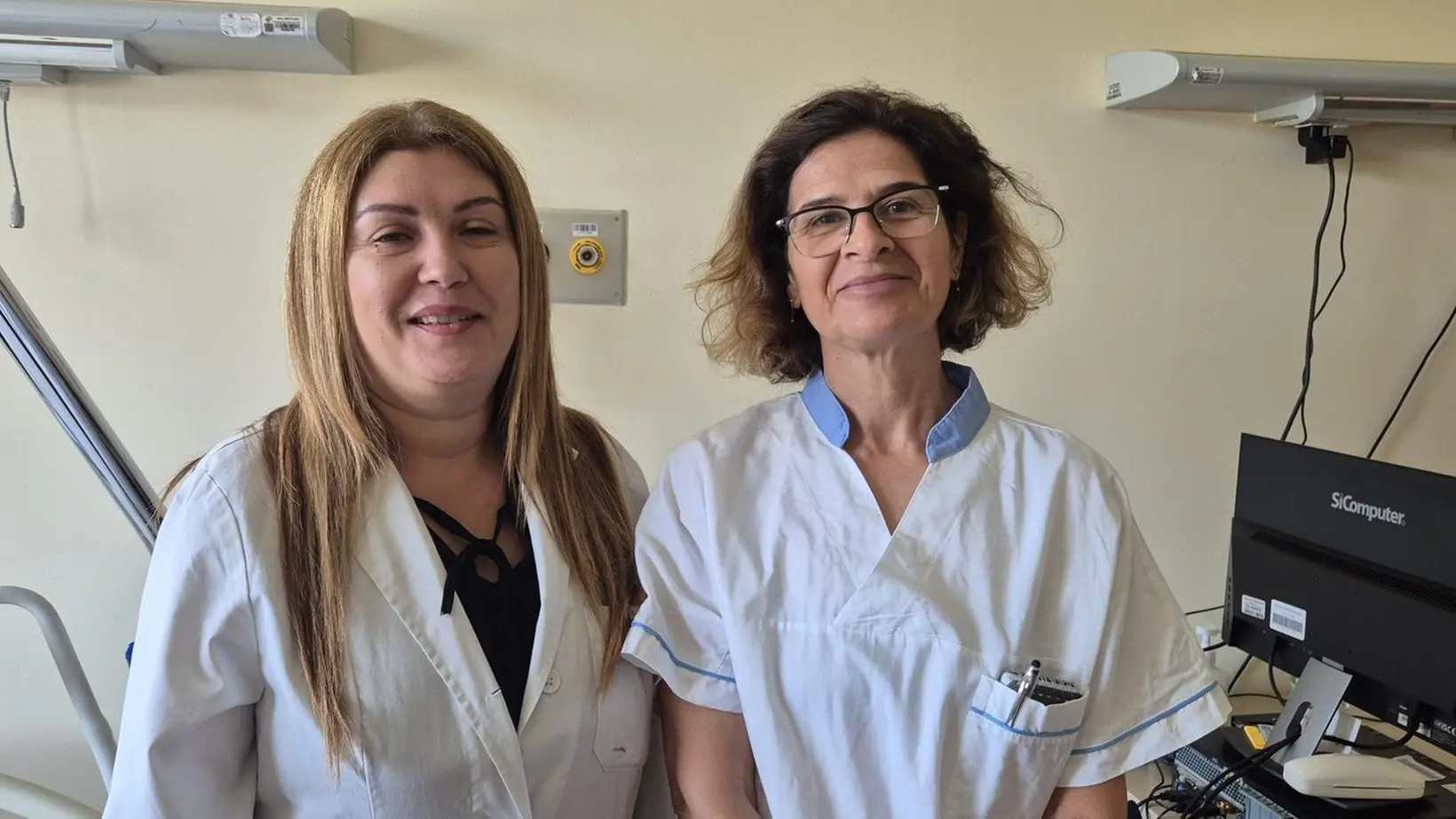
For years, patients have relied on oral Levodopa to alleviate Parkinson’s symptoms. However, Dr. Rita Farris, head of the Movement Disorders Clinic at the San Martino Hospital, explains that the drug’s effectiveness diminishes over time. “As the illness progresses, the bioavailability of Levodopa – the degree and rate at which the drug enters circulation – decreases,” Dr. Farris stated. This reduction leads to increasingly frequent and disabling fluctuations, manifesting as motor blocks, excessive movements, or severe sleep disruption. according to the Parkinson’s Foundation, approximately 60,000 Americans are newly diagnosed with Parkinson’s disease each year.
Did You Know? Approximately 10 million people worldwide live with Parkinson’s disease, according to the World Health Organization.
How Subcutaneous Infusion Works
The new subcutaneous therapy, slated for wider availability in 2024, provides a continuous and consistent delivery of Levodopa directly into the body. The system involves a small needle inserted under the skin of the arm or abdomen,connected to an infusion pump. This pump delivers the medication 24 hours a day, bypassing the issues associated with oral absorption. The procedure is relatively simple and can be managed at home by a trained caregiver, following detailed instructions provided by healthcare professionals regarding drug usage, needle placement, disinfection, and proper administration techniques.
Pro Tip: Consistent medication delivery is crucial for managing Parkinson’s symptoms and minimizing “off” periods.
Expanding Access to the New Therapy
While the San Martino Hospital successfully treated its first patient,several othre individuals with advanced Parkinson’s disease are already considered candidates for the infusion pump system. The hospital’s Movement Disorders Clinic currently follows over 130 patients with Parkinson’s disease,highlighting the meaningful need for innovative treatment options. The hospital anticipates a growing demand for this therapy as awareness increases and more patients become eligible.
| Treatment Method | Levodopa Delivery | Bioavailability | Administration |
|---|---|---|---|
| Oral Levodopa | Intermittent | Decreases with disease progression | Pills, multiple times daily |
| Subcutaneous Infusion | Continuous | Consistent | Infusion pump, 24/7 |
Evergreen Insights: Parkinson’s Disease – A Growing Concern
Parkinson’s disease is a progressive neurodegenerative disorder that affects dopamine-producing neurons in the brain. While the exact cause remains unknown, genetic and environmental factors are believed to play a role. Symptoms typically develop slowly, starting with tremors, rigidity, slow movement (bradykinesia), and postural instability. Beyond motor symptoms, Parkinson’s can also cause non-motor issues like depression, sleep disturbances, and cognitive impairment. Research into potential disease-modifying therapies is ongoing, with a focus on protecting and restoring dopamine neurons.
Frequently Asked Questions About Levodopa Infusion
Disclaimer: This article provides general facts and should not be considered medical advice. Please consult with a qualified healthcare professional for any health concerns or before making any decisions related to your treatment.
what are your thoughts on this new approach to Parkinson’s treatment? Share your comments below! Don’t forget to subscribe to World Today News for the latest breakthroughs in medical science.
