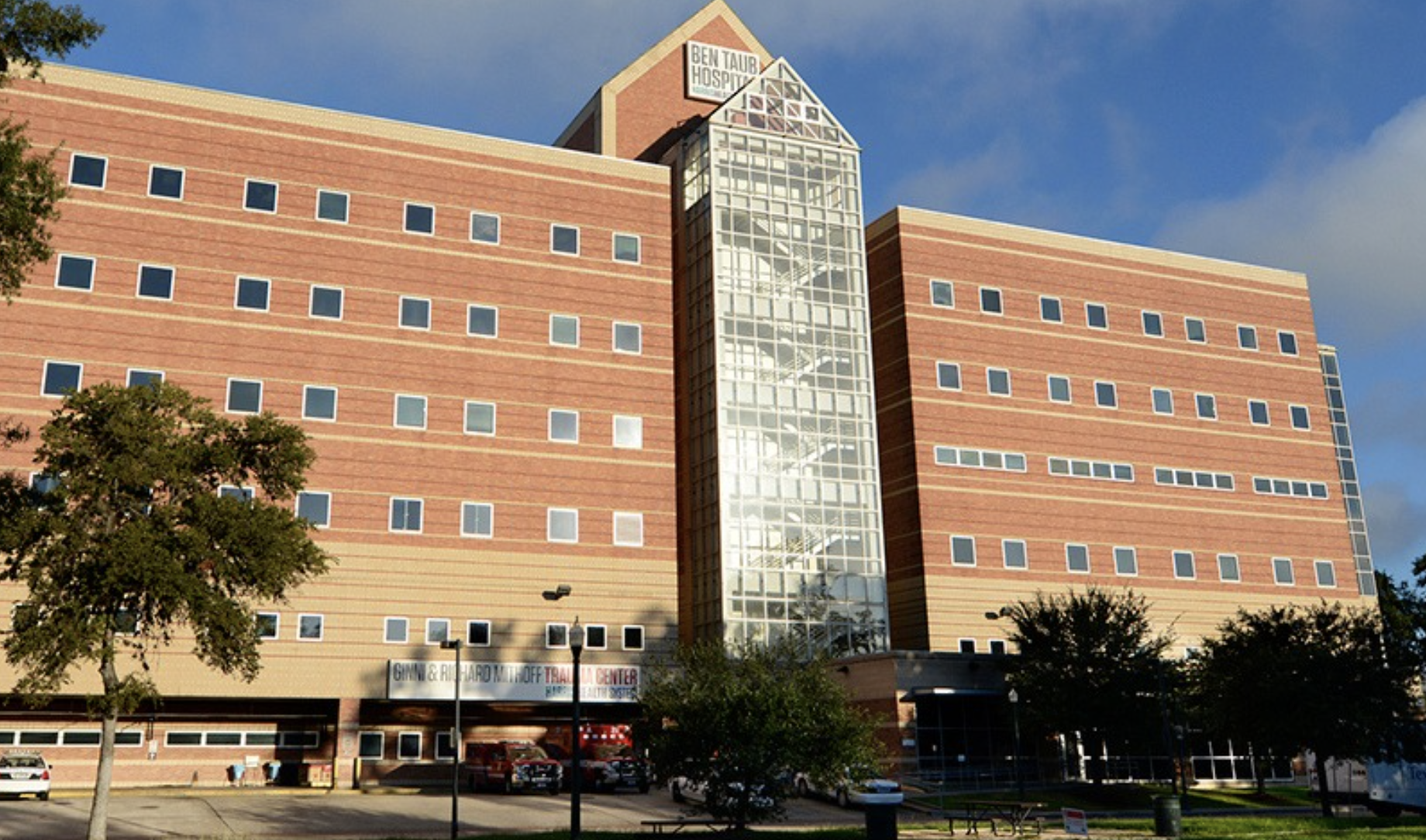
Study: Spanish-Speaking Latinos Fear Seeking Emergency Care
Latino patients who speak Spanish report significantly higher levels of fear when visiting emergency rooms, according to a study published October 5, 2026, in JAMA Network Open. The research, which included patients at Ben Taub Hospital in Houston, found that concerns regarding immigration policies and public rhetoric are actively influencing the decision to seek emergency medical care.
The study, as reported by La Prensa de Houston, surveyed 345 adults across three emergency departments in Houston and San Francisco between July 2025 and January 2026. Among the 99 participants at Ben Taub Hospital, 42 were Spanish-speaking Latinos, 19 were English-speaking Latinos, and 38 were non-Latino English speakers.
Spanish-speaking Latinos delay medical care due to fear
The findings indicate a clear disparity in how different patient groups perceive the safety of medical facilities. While 34% of Spanish-speaking Latino participants reported fear of visiting an emergency department due to immigration-related messaging, that figure dropped to 4.6% for English-speaking Latinos and 3.2% for non-Latino English speakers.
This apprehension has tangible consequences for health outcomes. Of the 39 total participants who reported fear, 16 admitted to delaying their medical care. Twelve of those 16 individuals were Spanish-speaking Latinos. For these patients, the median delay in seeking treatment was five days. Researchers noted that 38% of Spanish-speaking Latinos also reported knowing someone who avoided emergency services specifically out of fear that they might be identified as undocumented.
Perceptions of safety in the United States
Beyond the hospital setting, the study measured broader anxieties regarding daily life. Sixty-four percent of Spanish-speaking Latino participants reported feeling unsafe living in the United States due to the current climate surrounding immigration policies. This sentiment was shared by 52% of English-speaking Latinos and 42% of non-Latino English speakers.
The study authors emphasize that these results reflect self-reported perceptions rather than documented incidents of immigration enforcement within hospitals. Because the research was cross-sectional, it identifies an association between immigration-related concerns and the avoidance of care, but it does not establish that any specific policy directly caused the patients to delay their visits.
Federal protections for emergency patients
Despite these anxieties, federal law provides a baseline of protection for anyone requiring emergency medical attention. The Emergency Medical Treatment and Labor Act (EMTALA) requires hospitals to provide an appropriate medical screening to anyone who presents at an emergency department, regardless of their ability to pay or their citizenship status.
According to the Centers for Medicare and Medicaid Services, hospitals must stabilize any emergency medical condition before considering a transfer or discharge. While facilities may request insurance information during the registration process, federal regulations explicitly state that this request cannot delay the initial medical examination or the provision of life-saving treatment. Hospitals, including those operating as Level I trauma centers like Ben Taub, remain legally obligated to treat patients regardless of their race, national origin, or documentation status.
Small sample size limits generalization of research findings
The researchers acknowledged several limitations in their work, noting that the study was conducted during weekday shifts and involved a relatively small sample size. These factors limit the ability to generalize the findings to all patients using emergency rooms across the country. The authors concluded that for hospitals to be effective, they must be perceived as safe and accessible spaces, suggesting that further research is needed to identify interventions that can mitigate the fear currently felt by vulnerable patient populations.
The question of how to bridge this trust gap remains open.