
IBS Relief: Mediterranean Diet as Effective as Low-FODMAP?
Those struggling daily with irritable bowel syndrome (IBS) often seek dietary solutions. A recent study suggests the Mediterranean diet could be as effective as the traditional low-FODMAP approach in alleviating symptoms.
Why Diet Matters for IBS
IBS is characterized as a gut-brain interaction disorder, where the intestines’ nerves and microbes react excessively during digestion. This heightened sensitivity means that even minor dietary adjustments can trigger significant discomfort. Guidelines now emphasize dietary management as central to IBS care, yet individual responses vary widely.
Rather than focusing on single ingredients, targeting dietary patterns has become a more practical strategy for healthcare providers. According to the American College of Gastroenterology, dietary interventions can improve IBS symptoms in up to 70% of patients (ACG 2022).
FODMAP Diet: A Closer Look
FODMAP stands for fermentable oligo‑, di‑, and monosaccharides and polyols, which are short-chain carbohydrates that bacteria in the gut quickly ferment. This fermentation process can lead to gas production and discomfort in individuals with sensitive intestines.
According to Prashant Singh, a gastroenterologist at Michigan Medicine, restrictive diets like the low-FODMAP diet can be challenging for patients to maintain, because shoppers face long lists, must carefully calculate portion sizes, and follow a demanding three-phase reintroduction process. In addition, fermentable fibers disappear, raising concerns about possible nutritional deficiencies and impacts on gut bacteria.
Mediterranean Diet: An Alternative?
The Mediterranean diet, rich in seafood and olive oil, is globally recognized for its heart-protective benefits. The PREDIMED trial demonstrated that this diet could reduce the risk of heart attack and stroke by roughly 30% in high-risk adults who consumed extra-virgin olive oil or nuts daily.
Recent studies suggest that the Mediterranean diet promotes the growth of bacteria that produce short-chain fatty acids, which can reduce gut inflammation. William Chey, chief of Gastroenterology at Michigan Medicine, stated:
This study adds to a growing body of evidence which suggests that a Mediterranean diet might be a useful addition to the menu of evidence‑based dietary interventions for patients with IBS.—William Chey, MD, Chief of Gastroenterology at Michigan Medicine
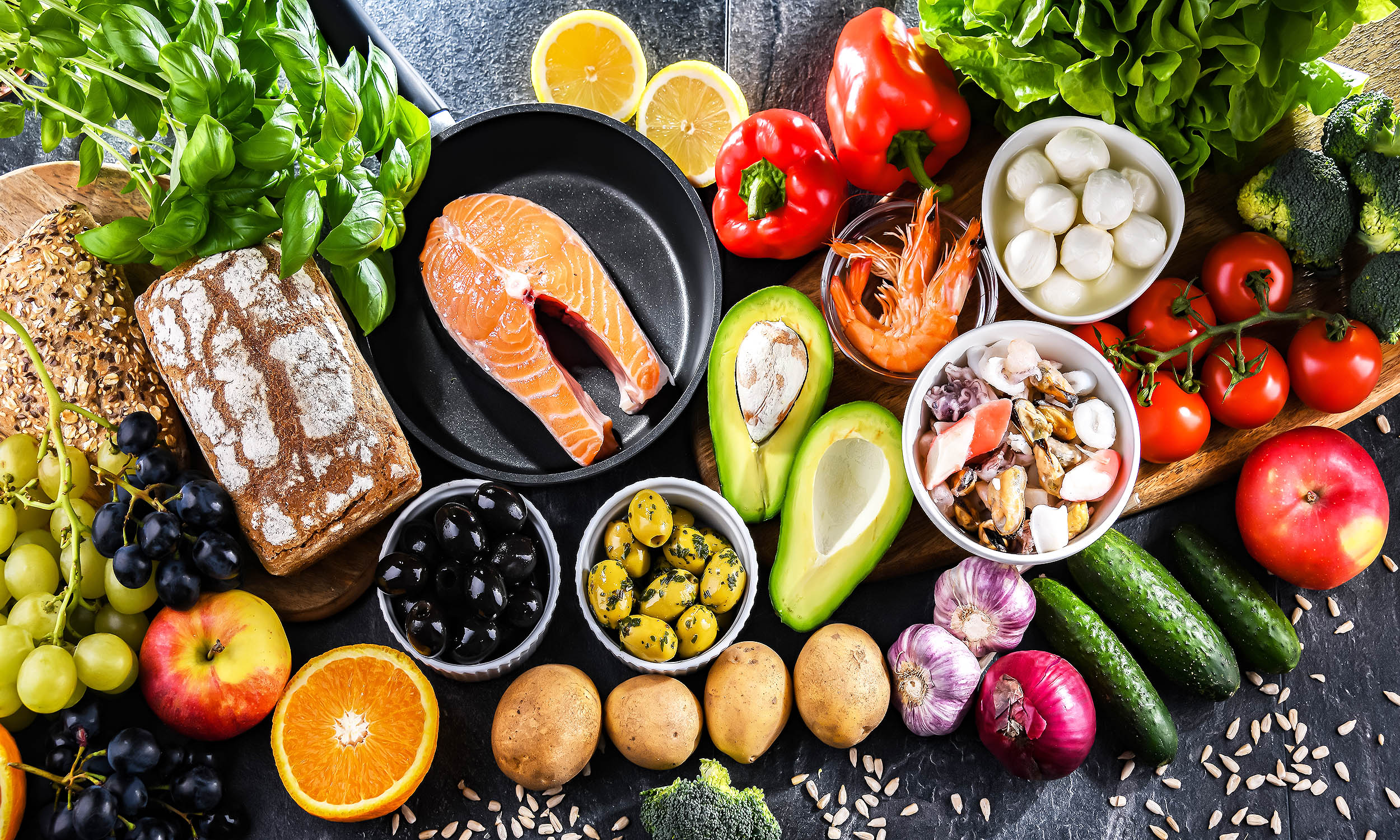
Unlike the low-FODMAP diet, the Mediterranean diet emphasizes including fruits, vegetables, legumes, nuts, whole grains, fish, and olive oil, while minimizing red meat and sweets. This approach makes meals more familiar and communal, which can improve the quality of life for those who value family dinners and restaurant outings.
Study Findings
The University of Michigan pilot study, led by Prashant Singh, randomly assigned 20 adults with diarrhea-predominant or mixed-type IBS to either the Mediterranean diet or the low-FODMAP diet for four weeks. Symptom-severity scores decreased in both groups, with the low-FODMAP group showing a more significant average reduction.
The study, published in Neurogastroenterology & Motility, also found that 73% of the Mediterranean group and 81.8% of the low-FODMAP group experienced at least a 30% decrease in abdominal pain, meeting the U.S. Food and Drug Administration (FDA) benchmark.
Practical Advice for Patients
If meticulous tracking and temporary food restriction seem manageable, the low-FODMAP diet may provide quicker relief. Alternatively, those who prefer not to count every slice of apple or fragment of onion can incorporate Mediterranean staples, such as oatmeal with berries for breakfast, lentil salad with olive oil for lunch, and grilled salmon with roasted vegetables for dinner.
It is crucial to consult with a registered dietitian experienced in treating IBS. Professional guidance can help prevent nutritional gaps, monitor symptom diaries, and develop a reintroduction schedule when starting with the low-FODMAP diet. They can also personalize Mediterranean patterns to ensure sufficient calcium, iron, and protein intake.
