Study Reveals Greater Diversity in Individual Autistic Brain Activity Than Group Averages Suggest
“The computational model allowed us to look for robust brain responses to many different aspects of the complex, dynamic contexts in the movies,” said Dorit Kliemann, a researcher at the University of Iowa.
Her team’s findings, published in the Journal of Neuroscience on November 14, reveal that autistic brains exhibit significantly more diversity in activity than previously recognized.
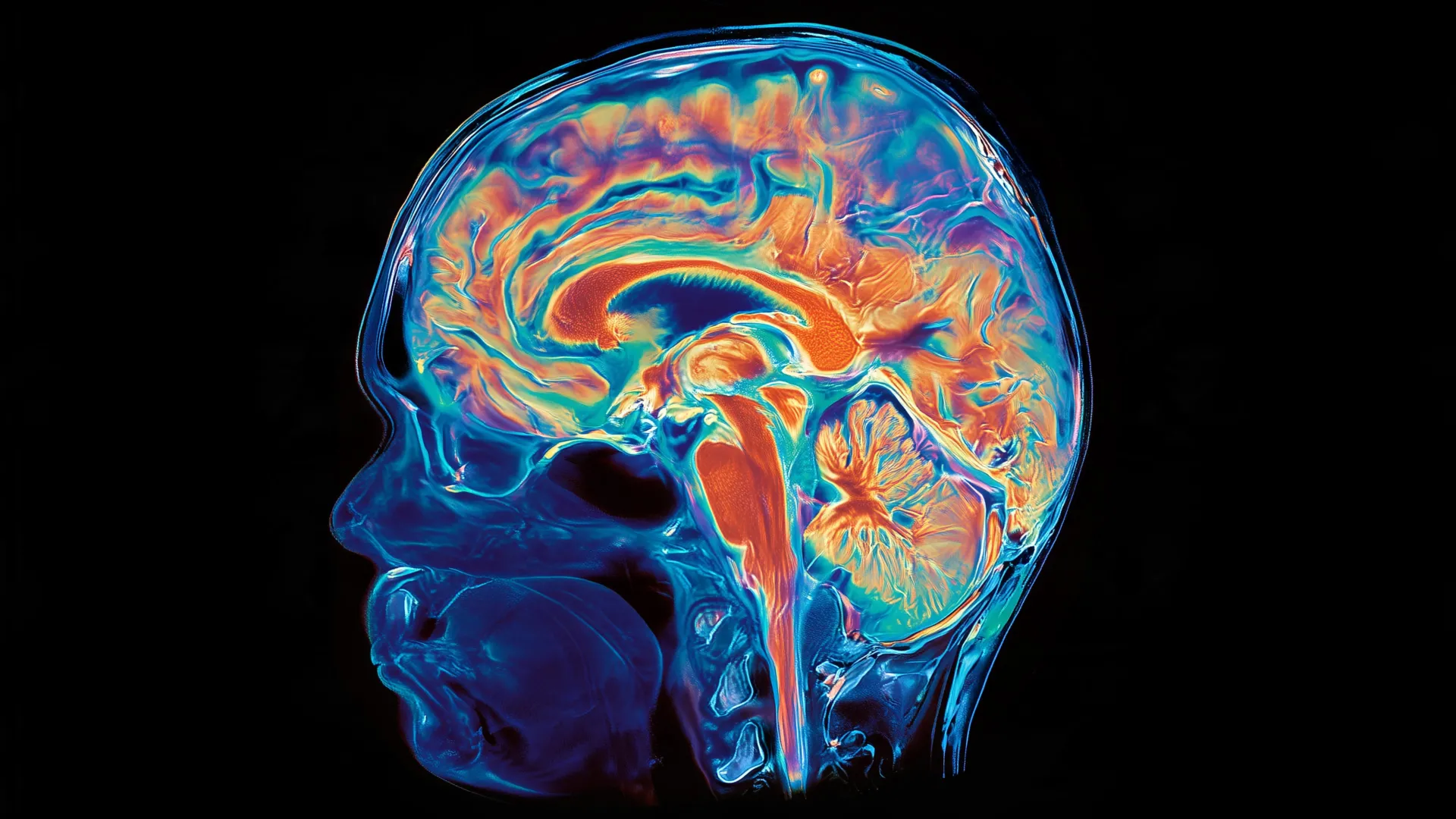
Researchers led by Kliemann and James Traer examined functional MRI scans from 48 autistic adults and 90 non-autistic adults. The data was originally collected at Indiana University and Caltech. Participants watched six film clips, ranging from five to 20 minutes, covering genres such as animation, action, romantic comedy, and thrillers.
The study utilized a computational model to track how brain networks responded to visual, auditory, and social cues within the films. While the model predicted brain activity with similar success across both groups when comparing group averages, a different pattern emerged during individual analysis.
Autistic adults showed greater variation from person to person compared to their non-autistic counterparts, with the most pronounced differences occurring in networks responsible for processing social information.

While group averages suggested autistic brain responses resembled those of neurotypical individuals, this observation masked the substantial differences present at the individual level. The researchers suggest that existing methods relying on group averages may overlook critical neurological nuances.
“We were surprised by the similarity of group averages. The results suggest that we need to focus on understanding the details of individual brain responses. How and why do they differ?” Traer said.
“We were surprised by the similarity of group averages. The results suggest that we need to focus on understanding the details of individual brain responses. How and why do they differ?” Traer said. This suggests a shift in perspective is needed, as these methods may overlook meaningful differences between individuals.
“Identifying ASD subgroups may help us build a more precise understanding of the condition and help develop ways to provide individually tailored support,” Kliemann said.
The research team intends to investigate how these neurological variations correlate with specific behavioral differences. Kliemann said that identifying these subgroups could lead to more precise understandings of the condition and assist in the development of individually tailored support.