Study Finds Unique Epigenetic Brain Signatures in PTSD
Researchers have identified distinct molecular signatures in the brains of individuals diagnosed with post-traumatic stress disorder (PTSD), marking a departure from the biological profiles observed in major depressive disorder and healthy controls.
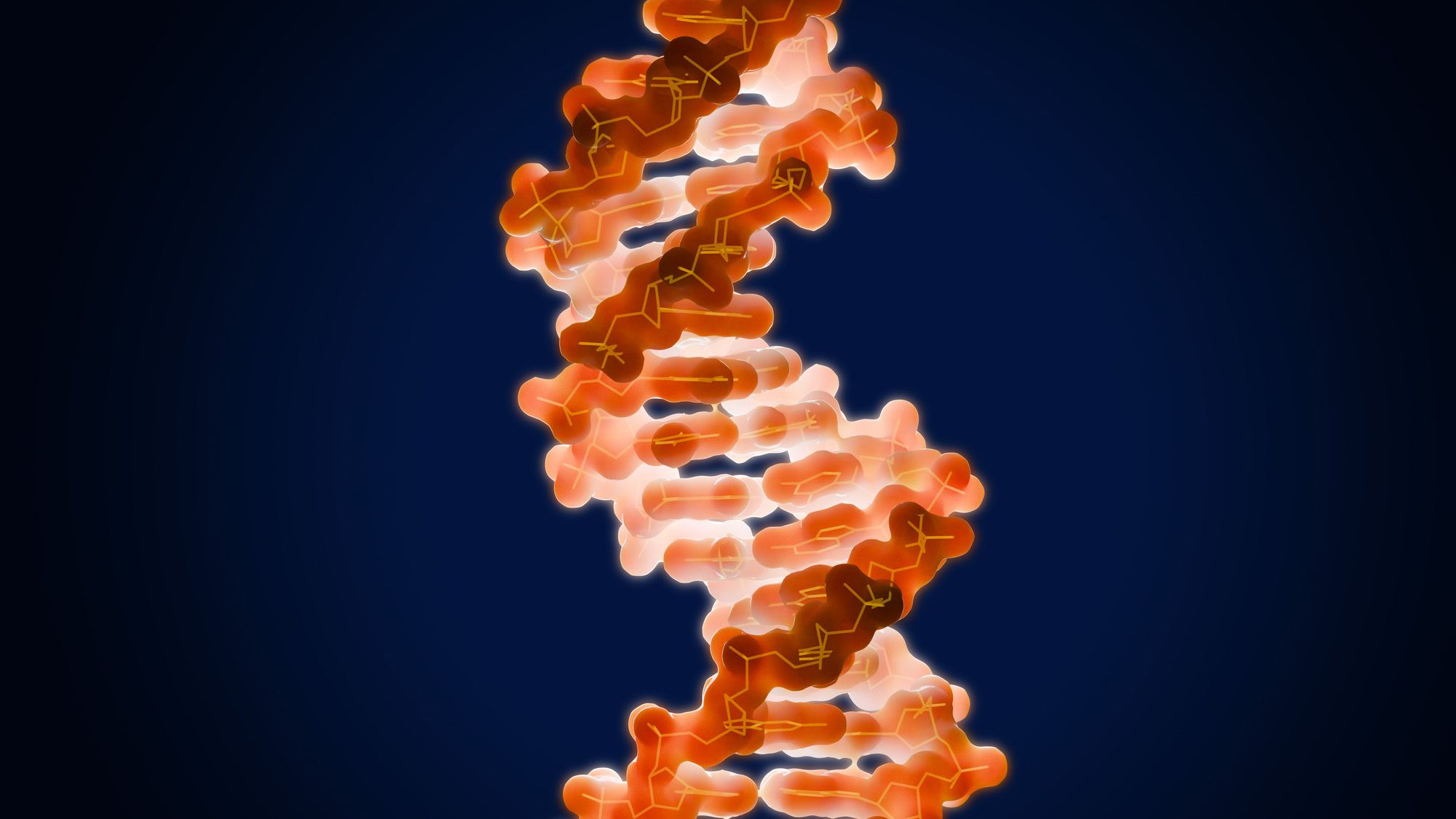
Published on Friday in the journal Cell Reports, the study provides a detailed look at how environmental factors influence gene expression through structural changes in DNA.
- Investigators analyzed 302 postmortem brains to identify specific DNA methylation patterns associated with PTSD.
- The study found that PTSD and major depressive disorder affect different brain regions, with the prefrontal cortex showing unique methylation in PTSD cases.
- These epigenetic markers could eventually facilitate the development of diagnostic blood tests, though current research remains in the exploratory phase.
Molecular Patterns in 302 Postmortem Brains
“The goal of our study was to look at the epigenetics of the PTSD brain and ask how [it] is different from that of an individual who does not have PTSD,” study co-author Frances Champagne, a psychologist at the University of Texas at Austin, told Live Science, regarding the research team's examination of DNA methylation, an epigenetic process where chemical groups attach to DNA to act as a regulatory “dimmer switch” for gene expression.
The study utilized 302 donated brains: 101 from individuals with a formal diagnosis of PTSD, 101 with major depressive disorder, and 100 from individuals with no psychiatric history. By focusing on the prefrontal cortex, amygdala, and hippocampus, the researchers aimed to map how trauma influences the biological architecture of emotional and cognitive processing.

The findings indicate that PTSD is associated with specific methylation differences in the prefrontal cortex, a region critical for decision-making and planning. In contrast, the study observed that major depressive disorder is characterized by distinct methylation patterns within the amygdala, a hub for emotional regulation.
Furthermore, while depression appeared to impact the same set of genes across multiple brain regions, PTSD showed significant inconsistency regarding which specific genes were involved, suggesting a more heterogeneous molecular pathogenesis.
“These epigenetic features of the brain are important for shaping the way the brain functions,” said Frances Champagne, a psychologist at the University of Texas at Austin, who told Live Science the data provides insight into how the brains of individuals with PTSD differ from healthy controls.
Demographics and Study Limitations Influence Methylation Patterns
The study highlights that methylation patterns in PTSD are not uniform but vary based on patient demographics, including sex, ethnicity, and the age at which the traumatic event occurred. These findings, as reported by Yahoo, suggest that the epigenetic patterns of PTSD are highly individualized.
However, the researchers noted significant limitations regarding the study’s scope. Because the analysis relied on postmortem brain tissue and medical records, the team could not directly assess the subjects or account for confounding factors such as substance use, which is known to influence DNA methylation.
The current data does not clarify whether these observed epigenetic marks are a direct consequence of PTSD, a pre-existing risk factor, or a downstream effect of other co-occurring conditions.
Seyma Katrinli, an investigator in the Grady Trauma Project at the Emory University School of Medicine, said that while the findings are not currently diagnostic, they represent a valuable resource for the field. She suggested that future research could focus on correlating these brain-based changes with markers measurable in blood samples, potentially creating a clinical pathway for objective diagnosis and targeted treatment.
Future Directions for Epigenetic Profiling
The investigation was led by Dennis Wylie, Dhivya Arasappan, Deanna Ross, and colleagues. As the scientific community continues to explore the intersections of trauma and neurology, the focus remains on identifying how specific environmental triggers drive the variation within PTSD profiles. Establishing a clearer link between these molecular markers and clinical outcomes remains the primary objective for researchers involved in this work.
For patients and their families seeking to understand the biological underpinnings of trauma-related conditions, it is essential to consult with board-certified psychiatrists or specialized neurologists. These clinicians can provide current, evidence-based assessments and discuss the latest developments in psychiatric care as they move from research settings into standard clinical practice.
As diagnostic tools evolve, individuals may find it beneficial to maintain ongoing dialogue with mental health professionals to ensure their care plans reflect the latest clinical understanding of PTSD.
Research at the University of Texas at Austin is supported by a large academic infrastructure, as the institution has functioned as the flagship of the University of Texas System since its founding in 1883. The university is recognized as a major center for scholarly inquiry, recording research expenditures of $1.06 billion for the 2023 fiscal year.
Its academic standing is further underscored by its 1929 induction into the Association of American Universities and an extensive history of intellectual achievement, with 13 Nobel Prize winners and 25 Pulitzer Prize winners among its faculty, researchers, and alumni.
Disclaimer: The information provided in this article is for educational and scientific communication purposes only and does not constitute medical advice. Always consult with a qualified healthcare provider regarding any medical condition, diagnosis, or treatment plan.
Worth a look
- Queensland Farmer Preparing to Enter MND Drug Trial
- AI Clones ORF Anchor Sophie Ströbitzer Voice for Viral Fake News on TikTok
- Urban Eurasian Tree Sparrows Show Vocal, Auditory, Neural Changes, Study Finds (time.news)
- Columbia, UC Berkeley Study Finds Microplastics Generate Reactive Radicals in Water (newsy-today.com)