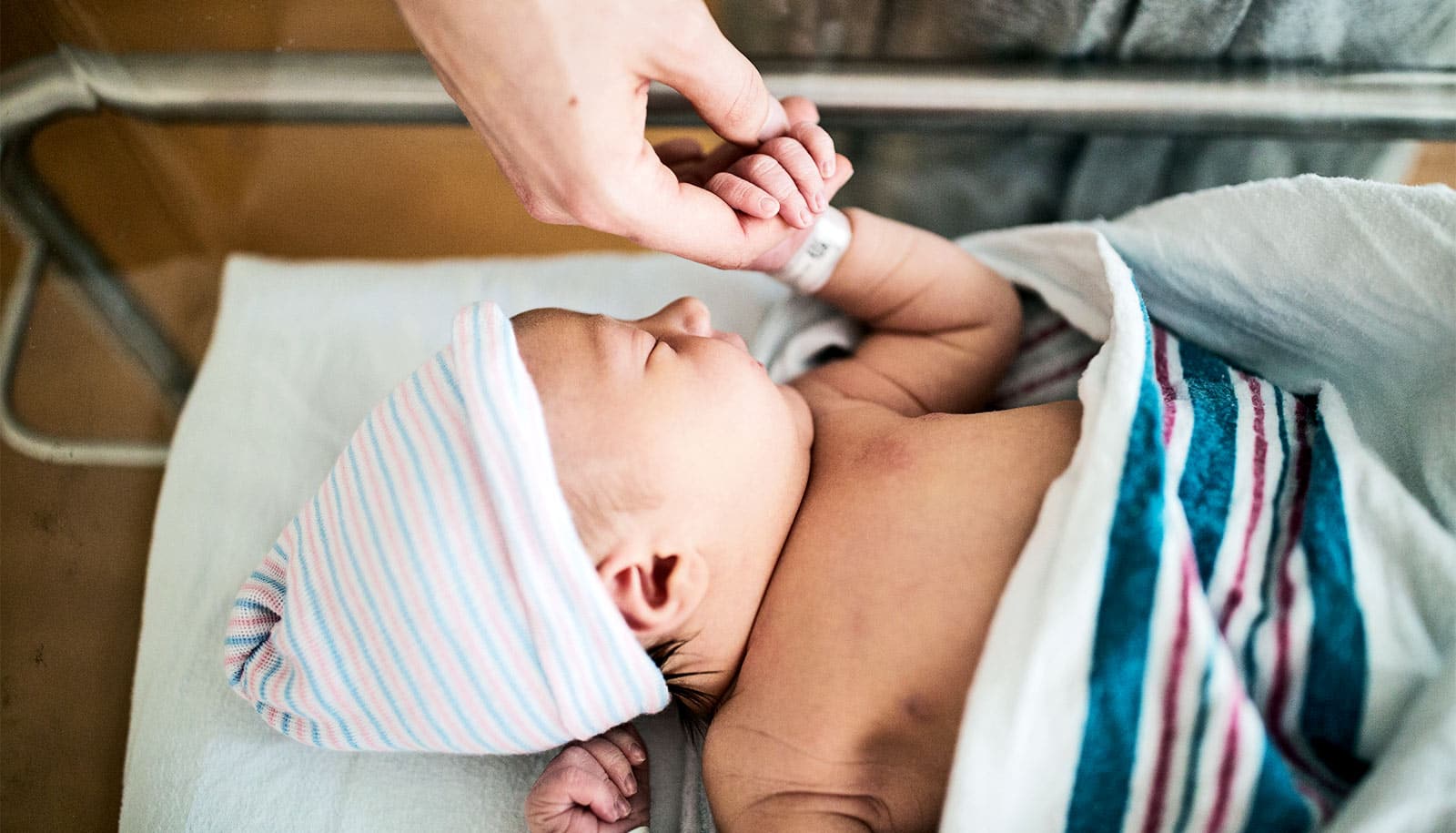
Study Finds No Link Between Neonatal Circumcision and Autism Risk
Young boys who undergo circumcision just after birth do not face an increased risk of developing autism, according to a nationwide study published in JAMA Pediatrics. The analysis evaluated data from 2,771 boys tracked from birth through childhood via the Environmental influences on Child Health Outcomes (ECHO) Cohort study, directly addressing a lingering public health question that had resurfaced in media discussions following comments by administration officials last year.
- Researchers found no statistically significant association between neonatal circumcision and autism diagnoses after controlling for confounding variables like family history and parental age.
- The study analyzed 2,771 boys across 14 U.S. study sites, where roughly 66% underwent circumcision before leaving the maternity hospital.
- Senior study authors hope the peer-reviewed findings help calm parental anxieties stemming from two observational studies published in 2013 and 2015.
Tracing the Clinical Context of Past Observational Studies
For more than a decade, public health discussions occasionally touched on a potential link between neonatal male circumcision and neurodevelopmental conditions. That uncertainty stemmed largely from two observational studies released in 2013 and 2015, which suggested a possible association. Public conversation intensified last year when administration officials made comments that brought the older research back into the media spotlight. Those earlier signals prompted investigators at the Johns Hopkins Bloomberg School of Public Health to re-examine the question using robust, contemporary data.
“We knew we had the data to help investigate this question,” says Monica McGrath, research professor in the Johns Hopkins Bloomberg School of Public Health’s epidemiology department and director of the ECHO Cohort Data Analysis Center. McGrath and her colleagues set out to leverage the nationwide infrastructure of the ECHO study, funded by the National Institutes of Health, to clarify the safety profile of the procedure.
Cohort Breakdown and Confounding Variables
The analysis examined 2,771 boys enrolled across 14 distinct ECHO study sites throughout the United States. Among this cohort, approximately 66%—or 1,840 boys—were circumcised before being discharged from the maternity hospital. Overall, 192 boys in the study group had a documented or parent-reported autism diagnosis, captured at a mean age of 3.8 years.
Raw numbers initially showed an autism risk of 6% among boys who had neonatal circumcisions, compared to a 9% risk among uncircumcised peers. However, epidemiologists know that raw percentages can be misleading without proper statistical adjustment. Once the research team adjusted for likely confounding factors—such as parental age and a family history of autism—the apparent disparity vanished entirely.
Addressing Rising Autism Rates and Future Research Directions
The publication of these findings arrives against a backdrop of shifting diagnostic patterns nationwide. Circumcision rates in the United States have steadily declined over recent decades, while autism diagnoses have risen sharply. Centers for Disease Control and Prevention surveillance data indicate that roughly one child in 150 had an autism diagnosis in the year 2000. By 2022, CDC reports placed the prevalence at one child in 31 among 8-year-olds.
Public health experts emphasize that it remains unclear whether this dramatic shift reflects a genuine increase in disease incidence or a byproduct of heightened clinical awareness, broader screening criteria, and improved access to diagnostic testing. Beyond circumcision, researchers also attempted to evaluate neonatal exposure to acetaminophen. However, such exposure was documented in less than 5% of the cohort, making it too uncommon to permit a statistically valid analysis regarding a potential autism link.
“We observed no association between circumcision and autism in boys, but it remains important to evaluate the safety of common medical procedures,” McGrath says. The ECHO study team continues to investigate other environmental and biological factors that may contribute to the rising prevalence of autism diagnoses.