
Potassium-rich diet Linked to Lower Depression Risk: A Look at the Emerging Research
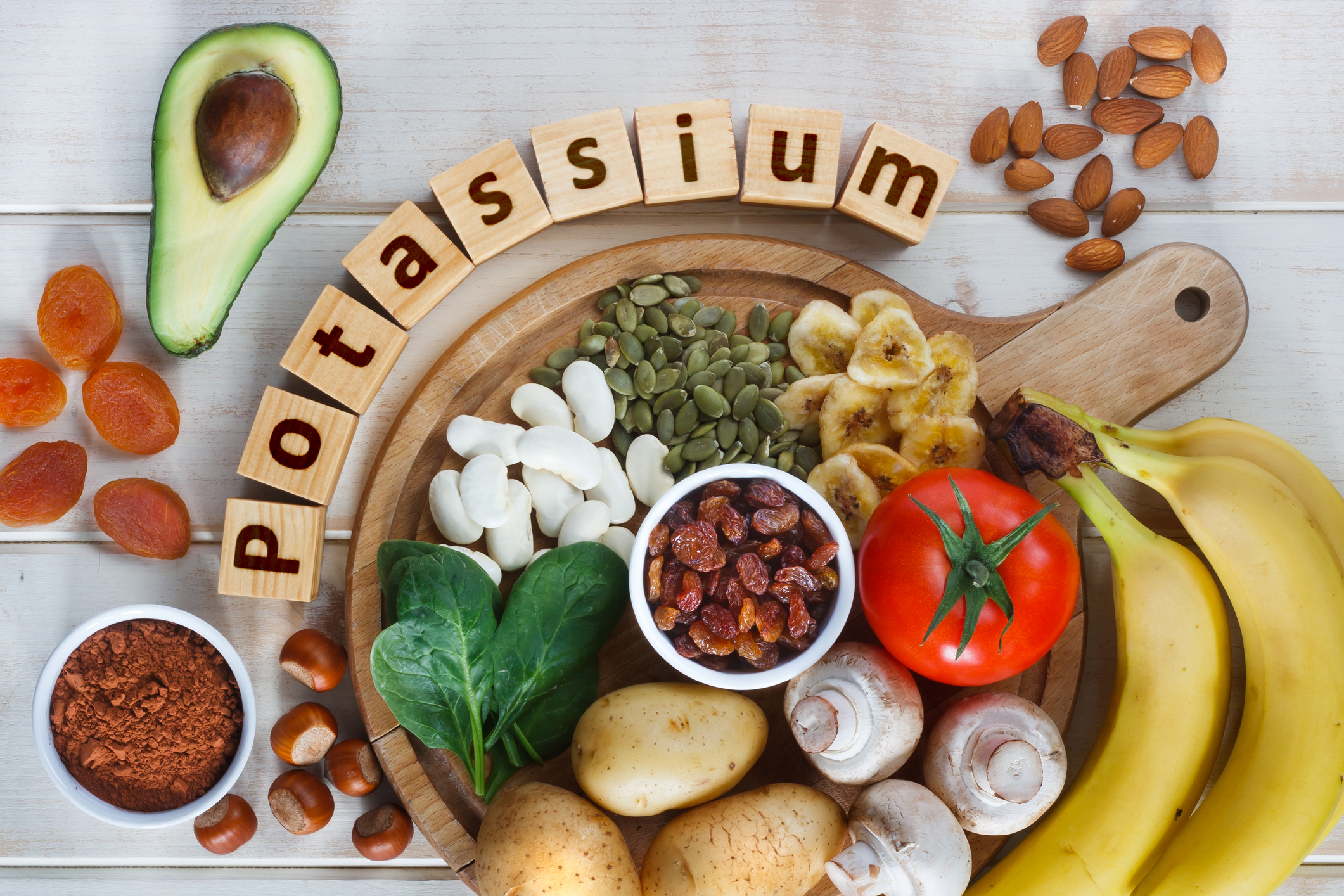
Recent research suggests a connection between dietary potassium intake and mental well-being, specifically a potential reduction in depression risk. A study coordinated by Dr. Son has identified an association between higher potassium consumption and lower rates of depression, though researchers emphasize this doesn’t yet prove a direct causal link. The study, an observational analysis, noted that individuals consuming more potassium-rich foods appeared to experience lower levels of depressive symptoms.Potassium is readily available in a variety of foods. Fatty fish like salmon, mackerel, and herring provide 300-400mg of potassium per 100g, alongside beneficial omega-3 fatty acids known for thier anti-inflammatory properties. Wild salmon varieties are particularly rich in both minerals and omega-3s compared to farmed options. Fruits also offer notable potassium, with dehydrated forms like raisins (750mg per 100g) and dried apricots (over 1,100mg per 100g) being especially concentrated sources. A single avocado provides approximately 690mg of potassium, and also contains fats that aid in vitamin absorption. Bananas, frequently enough associated with potassium, contribute 420-450mg per medium fruit, while tomato paste is a highly concentrated source, delivering 2,650mg per cup.
Researchers have developed example meal plans demonstrating how to achieve a substantial daily potassium intake. A breakfast of oats (140mg) with milk, almonds (200mg), and a banana (approx. 420mg) can provide over 750mg. Lunch options like a spinach salad with red beans and a boiled egg can contribute over 600mg, offering additional nutrients like folic acid, magnesium, and prebiotic fibers.Dinner featuring salmon, sweet potato, and vegetables can add approximately 1,500mg, with salmon providing omega-3s and sweet potato offering beta-carotene and complex carbohydrates. Snacks like dried apricots (380mg per 30g),Edamame (670mg per cup),and Greek yogurt (240mg) can further boost intake,totaling nearly 1,300mg. Thes examples can easily exceed the recommended daily intake of 3,500-4,700mg for adults, a level associated with lower blood pressure and possibly reduced depression.
beyond simply quantity, the way potassium is consumed may also be significant. Fermented foods like kefir, yogurt, and pickled cabbage contain potassium, but their primary benefit lies in their probiotic content. Fermentation can increase the bioavailability of minerals by up to 30%,meaning the body absorbs them more efficiently. A healthy and diverse gut microbiome, fostered by probiotics, is linked to reduced inflammation and improved neurotransmitter function.
While promising, the current research acknowledges limitations. Dr. Son’s study demonstrates an association, not causation. It’s possible that individuals already prioritizing healthy lifestyles naturally gravitate towards potassium-rich foods. To address this, a randomized clinical trial using potassium supplements is currently underway, aiming to establish a direct cause-and-effect relationship.
Parallel research lead by Dr. Amen is investigating the “metabolic signatures of depression,” analyzing hundreds of blood compounds to identify consistent patterns of energy metabolism disruption in individuals with depression. These findings could lead to personalized dietary recommendations based on individual metabolic profiles.
Researchers are clear that dietary changes should not be considered a replacement for medical treatment in severe cases of depression, but rather a preventative measure or supportive therapy. Lifestyle factors like chronic stress, sleep deprivation, and a sedentary lifestyle can negate the benefits of a healthy diet by disrupting the microbiome and increasing inflammation.
Future research will focus on personalized medicine, with the potential for microbiome tests within five years to identify foods that optimize individual gut health for improved mental well-being. Current data consistently point to the benefits of a diverse diet emphasizing fresh produce, legumes, and fish in reducing both the risk and severity of depression.
