Strait of Hormuz Disruption Traps Hundreds of Ships, Forces Oil Route Shifts Amid Escalating US-Iran Tensions
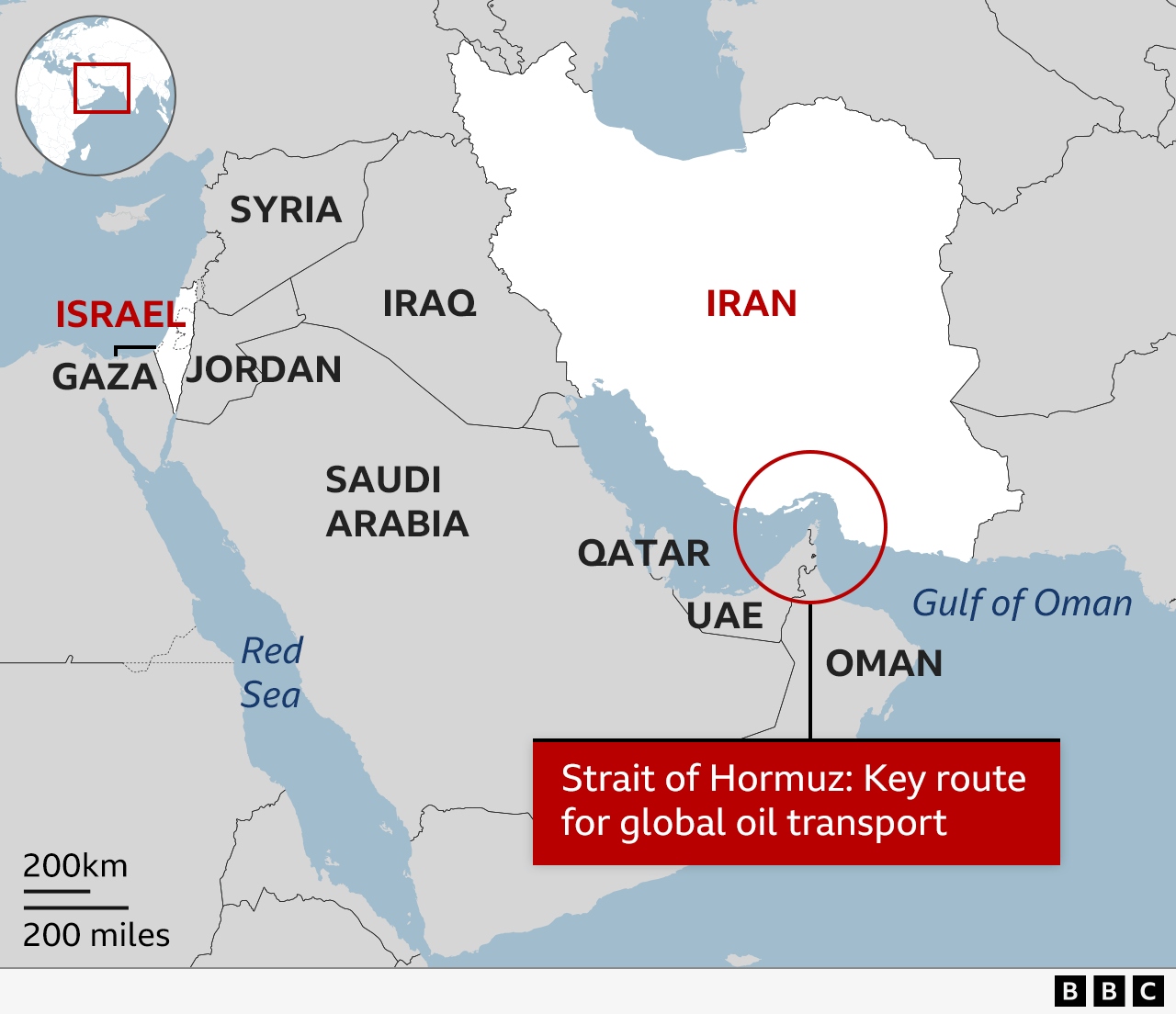
The Strait of Hormuz remains largely closed to commercial shipping as competing blockades imposed by Iran and the United States continue to disrupt one of the world’s most critical oil transit chokepoints, according to maritime tracking data and industry reports.
Over 750 vessels, including oil tankers, liquefied natural gas carriers and bulk cargo ships, are currently trapped or delayed in and around the strait, with many anchored off the coasts of the United Arab Emirates and Oman awaiting clearance to transit, a senior maritime security analyst told Reuters on condition of anonymity due to the sensitivity of the situation.
Iran has maintained a de facto blockade since early April, asserting control over the strait through naval patrols and mandatory reporting requirements for all foreign-flagged vessels, which it claims are necessary to counter what it describes as “illegal” U.S. Sanctions enforcement. In response, the U.S. Fifth Fleet has increased its presence in the northern Arabian Sea, conducting freedom of navigation operations and escorting allied commercial ships through the waterway under armed guard, though these efforts have not restored regular traffic flow.
Alternative routing has become increasingly common for Middle East energy exports. Saudi Arabia and the UAE have redirected crude oil shipments via the East–West Pipeline across Saudi territory to the Red Sea port of Yanbu, while Qatar has expanded liquefied natural gas exports through its overland pipeline to the Port of Duqm in Oman. However, these alternatives remain constrained by capacity limits and higher transit costs, with industry sources noting that rerouting adds an average of 10 to 14 days and increases fuel expenses by up to 18% per voyage.
Kuwait has declared force majeure on several long-term crude supply contracts citing the inability to guarantee timely delivery due to the strait disruption, a move confirmed by traders and shipping brokers operating in the Singapore and Rotterdam markets. The declaration, which activates contractual protections against penalties for delayed delivery, has been invoked on at least three separate agreements with Asian refiners since mid-April, according to internal documents reviewed by OilPrice.com.
Diplomatic channels between Washington and Tehran remain inactive, with no direct talks scheduled and no third-party mediation efforts currently underway, despite repeated calls from the European Union and Japan for de-escalation. The U.S. State Department has not issued a public statement on the strait situation since April 5, while Iran’s Foreign Ministry has reiterated its position that normal transit will only resume upon the lifting of all U.S. Secondary sanctions targeting Iranian oil exports.
Maritime insurers have raised war risk premiums for vessels transiting the Strait of Hormuz by 300% since the beginning of the crisis, with Lloyd’s of London classifying the area as a “closed war risk zone” effective April 10. This has led several major shipping lines, including Maersk and MSC, to suspend all non-essential container traffic through the strait until further notice, prioritizing only humanitarian and energy-critical cargoes under naval escort.
The United Nations Conference on Trade and Development (UNCTAD) estimates that daily losses to global trade from the Hormuz disruption now exceed $1.2 billion, based on reduced volumes of crude oil, refined products, and LNG passing through the chokepoint. Prior to the crisis, approximately 21 million barrels of oil per day — roughly 20% of global seaborne oil trade — transited the strait, according to the U.S. Energy Information Administration.
No official timeline for the restoration of normal transit has been provided by either the U.S. Central Command or Iran’s Islamic Revolutionary Guard Corps Navy, and no joint naval deconfliction talks have been held since the escalation began. Regional actors including Saudi Arabia and Oman continue to urge restraint through backchannel communications, but no public commitments to resume unrestricted passage have been made by either belligerent.