
From Personal Voice to Hollywood Pitch: Professor Navigates the Evolving World of Storytelling
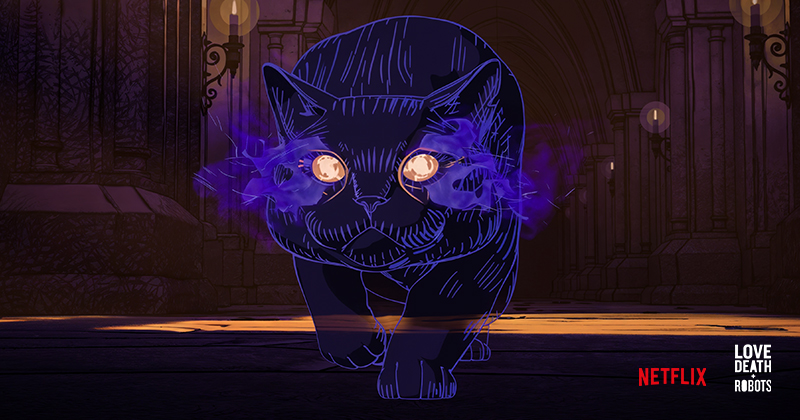
Professor Carroll is finding her own path – adn guiding her students – through the shifting landscape where personal creative expression meets the demands of commercial storytelling. A recent collaboration with Blur Studios has led to a practical shift in her career: she now has an agent actively pitching her stories to production companies, freeing her to concentrate on teaching, research, and her own writing.
“I’m plugging along in my day-to-day life and occasionally I’ll get an email about a project or something happening in the next two weeks. It’s like being caught up in a wonderful lightning storm,” she described the experience.
This foray into professional writing hasn’t altered her core belief about what makes a story resonate. She emphasizes to her students that the foundation of compelling narrative remains deeply personal. “You always have to start with writing for self-expression,” Carroll explained.”The best writers, including the moast commercially accomplished, start from that same place, and they figure out how to bring that element of self-expression into their commercial writing.”
To prepare students for the collaborative realities of the industry,especially those aspiring to work in Hollywood,Carroll incorporates a unique exercise into her curriculum. She divides the class into teams and challenges them to develop a story pitch based on existing intellectual property (IP). The assignments force students to grapple with the complexities of building upon established worlds and characters.
“For example, write a story about Batman, but it has to be at christmas time, it can’t be set in Gotham and the Joker can’t be in it,” she said, illustrating the kind of constraints they face.
The exercise isn’t purely creative. Students also delve into the business side, familiarizing themselves with the existing IP and the Writer’s Guild contract. They then present their pitches to the class, followed by a discussion simulating studio feedback and potential negotiations.
“Working with somebody else’s imagination, that’s a challenge,” Carroll noted. ”How do you interest yourself in telling someone else’s story or developing their characters? What pushback might you recieve?” She believes this type of collaborative, constraint-driven work is often unfamiliar to students, but crucial for future success.
“Particularly now,and particularly if you’re interested in working in Hollywood,there’s going to be a lot of creative collaboration that involves both creating shared stories and negotiating around restrictions,” she said.
Ultimately, Carroll believes the most powerful stories tap into universal human experiences – something artificial intelligence, at least currently, struggles to replicate.”If what you write is animated by real human concerns, like loneliness, the desire for friends, fear of betrayal, loss of a loved one – that’s the fuel that runs the engine of stories, and that’s how you connect with readers,” she concluded.
