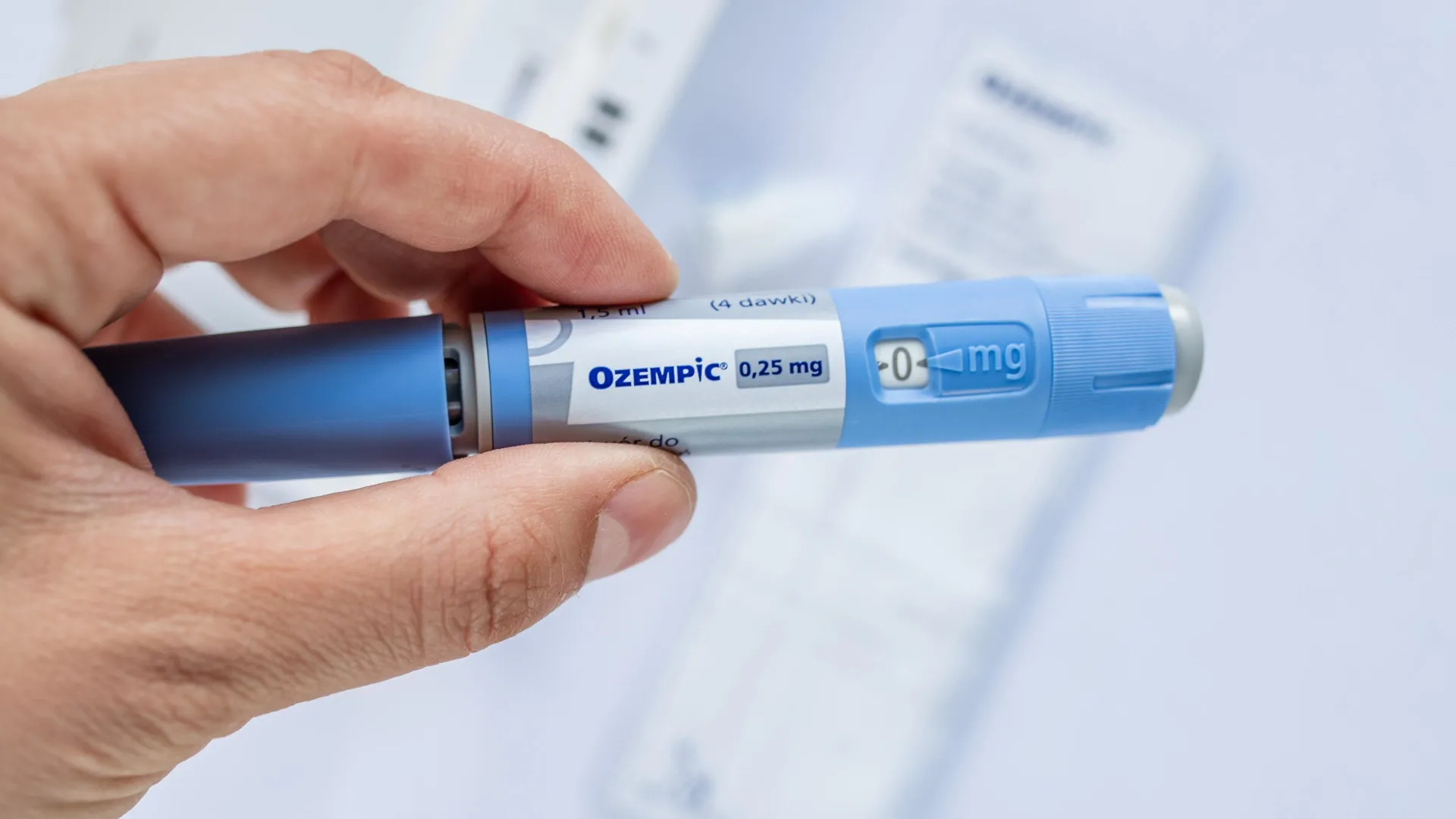
Stopping GLP-1 Drugs Quickly Reverses Heart Benefits, Study Shows
Stopping popular GLP-1 medications like Ozempic and Wegovy can reverse their cardiovascular benefits surprisingly quickly, leaving patients with a significantly higher risk of heart attack, stroke, and death after two years off the drugs, according to a longitudinal study published in BMJ Medicine. Researchers at the Washington University School of Medicine in St. Louis found that interrupting or completely discontinuing treatment for type 2 diabetes triggers a metabolic whiplash, rapidly eroding heart protection gained during therapy.
- Patients who stopped GLP-1 therapy for two years faced up to a 22% higher risk of major cardiovascular events compared to those who maintained continuous treatment.
- The study analyzed health data from 333,687 U.S. veterans with type 2 diabetes over a three-year observation window.
- Disruptions in treatment as short as six months caused measurable increases in cardiovascular risks, largely due to a resurgence in systemic inflammation, blood pressure, and cholesterol levels.
Approximately 26% of GLP-1 users stopped taking the medication entirely during the study period, while another 23% experienced treatment gaps lasting six months or longer before resuming.
Continuous treatment over the full three-year period yielded the most pronounced clinical benefit. Participants who stayed consistently on GLP-1 therapy experienced an 18% lower risk of major adverse cardiovascular events—including myocardial infarction, ischemic stroke, and mortality—compared to the cohort taking sulfonylureas. This translated to roughly four fewer cardiovascular events for every 100 people over three years. Conversely, patients who discontinued therapy before reaching 18 months showed no significant reduction in cardiovascular risk by the end of the observation window.

“There is enormous exuberance about starting GLP-1 drugs, but not nearly enough attention to what happens when people stop,” said senior author Ziyad Al-Aly, clinical epidemiologist at Washington University and chief of the Research and Development Service at the VA Saint Louis Health Care System, in a public release detailing the findings. “Many quit after a few months because of cost, side effects or shortages. When they stop, it’s not just weight that comes back; they experience a resurgence in inflammation, blood pressure, and cholesterol. Weight regain is visible; the metabolic reversal is not.”

Robert Glatter, an attending physician in the Department of Emergency Medicine at Lenox Hill Hospital and assistant professor at the Zucker School of Medicine at Hofstra/Northwell, noted that GLP-1 medications protect the cardiovascular system through several concurrent pathways. Beyond reducing body mass index, these agents improve glycemic control, lower blood pressure, optimize lipid profiles, and mitigate the progression of atherosclerotic plaque.
“Some evidence also points to direct protective effects on the heart and blood vessels independent of weight loss,” Glatter explained. When therapy stops, the underlying vascular inflammation returns.
Restarting GLP-1 medications after a hiatus partially restores protective mechanisms, but the data indicate that discontinuation leaves a lasting clinical scar.