Stop Scratching Insect Bites: Risks of Scarring, Pigmentation, and Infection
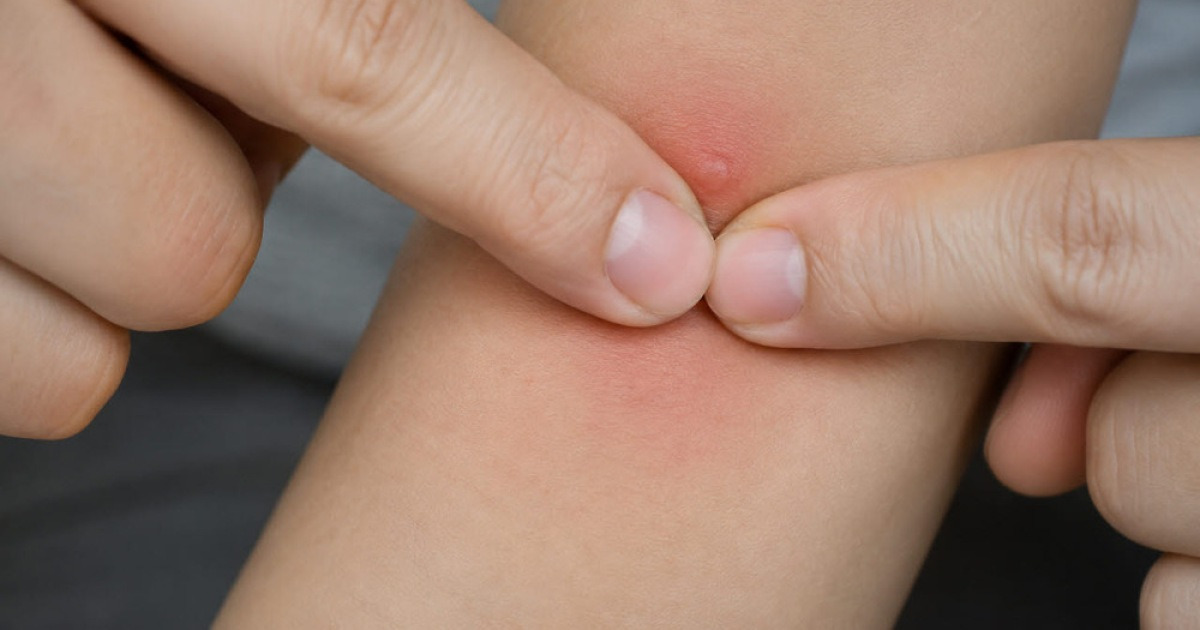
Pressing a fingernail into a mosquito bite to create an “X” mark or scratching the skin increases the risk of secondary bacterial infections, permanent scarring, and post-inflammatory hyperpigmentation, according to clinical guidance reported by Edaily. This common habit disrupts the epidermal barrier, allowing pathogens to enter the dermis and potentially leading to cellulitis or systemic infection.
Key Clinical Takeaways:
- Mechanical trauma from fingernails causes skin barrier breach, elevating infection risk.
- Scratching triggers a positive feedback loop of histamine release, intensifying pruritus.
- Proper management involves cold compresses and topical antihistamines over mechanical pressure.
The pathology of a mosquito bite begins when the insect injects saliva containing anticoagulants and proteins into the skin. This triggers an immune response where mast cells release histamine, resulting in the characteristic wheal-and-flare reaction. While the itch is a natural biological signal, the behavioral response—specifically the “X” mark method—transforms a superficial inflammatory response into a clinical risk. Skin integrity is the primary defense against environmental pathogens; breaching this barrier via fingernails introduces bacteria directly into the subcutaneous tissue.
For individuals who develop severe localized reactions or signs of systemic infection, such as spreading redness or fever, immediate intervention is necessary. It is highly recommended to consult with medical professionals to manage acute inflammatory responses and prevent permanent pigmentary changes.
The Biological Mechanism of Post-Inflammatory Hyperpigmentation
When a person scratches or presses into a bite, they induce mechanical trauma that extends beyond the initial insect puncture. This trauma triggers the overproduction of melanin, a process known as post-inflammatory hyperpigmentation (PIH). The inflammatory cascade causes melanocytes to release pigment into the surrounding skin, leaving dark spots that can persist for months or years after the itch has subsided.
The risk is compounded by the “itch-scratch cycle.” Scratching stimulates the release of more histamine and pro-inflammatory cytokines, which in turn increases the sensation of pruritus. This cycle often leads to lichenification—a thickening of the skin—which further compromises the skin’s ability to heal. In cases where the skin is severely damaged, patients may require specialized care to ensure the tissue regenerates without hypertrophic scarring.
Comparative Risks: Mosquitoes, Ticks, and Processionary Caterpillars
While mosquito bites are common, clinical urgency varies significantly depending on the vector. The following analysis distinguishes the risks associated with different arthropod and insect encounters based on public health guidelines.
According to clinical guidance provided in the Edaily report, pressing a fingernail to create an “X” mark on a mosquito bite increases the risk of infection and scarring.
Unlike mosquito bites, which are primarily inflammatory, tick bites carry the risk of zoonotic diseases. The priority for tick removal is the complete extraction of the head and mouthparts using fine-tipped tweezers, rather than any form of pressure or scratching. Similarly, contact with processionary caterpillars or “poison caterpillars” involves the injection of urticating hairs that cause severe chemical dermatitis, requiring immediate irrigation and often systemic corticosteroids.
Organizations managing large-scale occupational health risks, such as landscaping firms or agricultural cooperatives, are increasingly implementing rigorous vector-borne disease prevention protocols and employee triage systems.
Clinical Standard of Care for Pruritus Management
To mitigate the risk of infection and scarring, the standard of care shifts from mechanical suppression to biochemical and thermal intervention. Clinical evidence suggests that applying a cold compress or ice pack constricts local blood vessels, reducing the distribution of histamine and numming the nerve endings that signal the itch.
Pharmacological interventions typically include:
- Topical Corticosteroids: Low-potency hydrocortisone to reduce inflammation and suppress the immune response.
- H1 Antagonists: Topical or oral antihistamines to block the action of histamine on the H1 receptors.
- Calamine Lotion: A protective agent that provides a cooling effect and dries the lesion.
The use of these agents prevents the need for mechanical pressure, thereby eliminating the risk of epidermal breach. For those managing chronic skin sensitivities or severe allergic reactions (hypersensitivity), coordinating with medical experts can help identify specific triggers and establish a personalized prophylactic regimen.
The evolution of vector-borne disease research continues to move toward vaccine development and genetic modification of mosquito populations to reduce transmission rates. However, the immediate clinical gap remains the public’s reliance on outdated and harmful home remedies. By replacing mechanical trauma with evidence-based dermatological care, patients can avoid the morbidity associated with secondary infections and permanent skin discoloration.
Disclaimer: The information provided in this article is for educational and scientific communication purposes only and does not constitute medical advice. Always consult with a qualified healthcare provider regarding any medical condition, diagnosis, or treatment plan.