
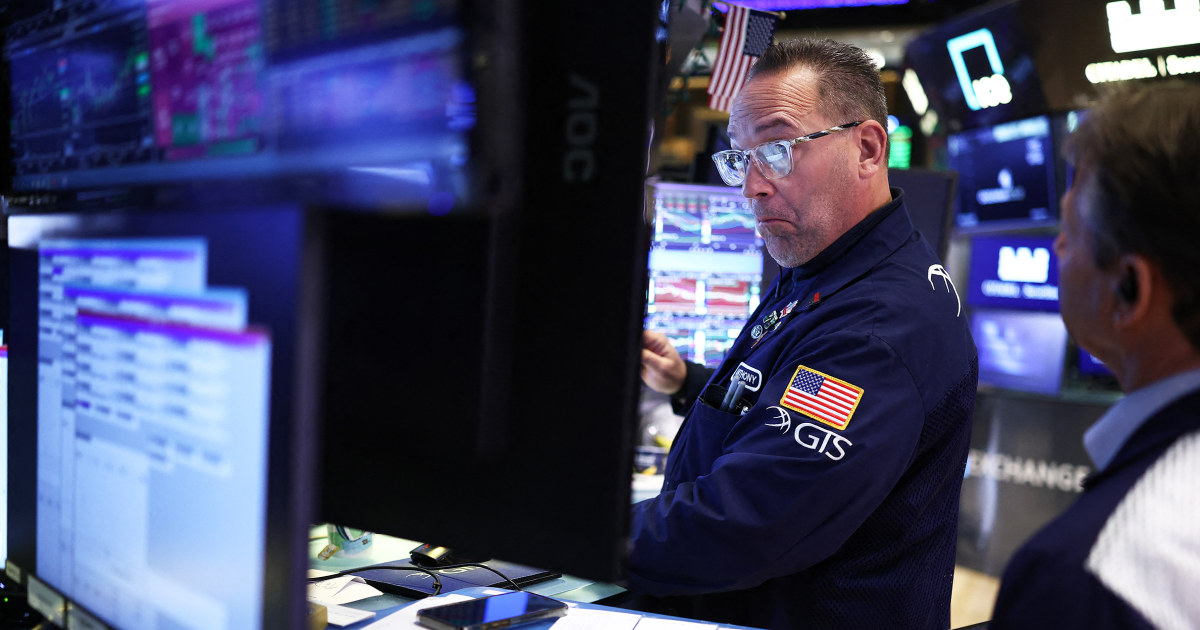
Stocks Surge and Oil Prices Drop After Trump Announces Iran Ceasefire
President Donald Trump announced a two-week ceasefire with Iran on April 7, 2026, to ensure safe passage through the Strait of Hormuz. The move triggered a massive surge in U.S. Stocks and a sharp plunge in global oil prices, easing immediate fears of a total energy shutdown.
The financial world spent the last several weeks in a state of high-voltage anxiety. Since the war began on February 28, the global economy has been held hostage by the effective closure of the Strait of Hormuz, a narrow waterway that typically handles more than 20% of the world’s daily oil supply. The resulting supply shock—choking off between 12 million and 15 million barrels of crude oil per day—created a volatility spike that left corporate treasuries and individual investors reeling.
While the markets are currently celebrating, the underlying problem remains: the global energy infrastructure is fragile. For businesses that have seen their overhead skyrocket due to energy costs, this ceasefire is a reprieve, not a resolution. Navigating this volatility requires more than just hope; many firms are now turning to vetted financial advisors to hedge against the possibility that this two-week window fails to produce a permanent peace.
The High-Stakes Deadline and the 10-Point Proposal
The ceasefire arrived with cinematic timing, announced less than two hours before President Trump’s 8 p.m. ET Tuesday deadline. The stakes could not have been higher; the president had explicitly threatened to bomb every power plant and bridge in Iran if the Strait of Hormuz was not reopened.
The resolution came via a 10-point proposal from Tehran, which Trump described as a “workable basis for negotiations.” The agreement is a “double sided ceasefire,” meaning the U.S. Will suspend attacks on Iran for two weeks, provided Iran ensures the complete, immediate, and safe opening of the Strait. This temporary pause is designed to allow a final agreement to be “consummated.”
Iranian Foreign Minister Seyed Abbas Araghchi clarified that safe passage would be managed through coordination with Iran’s Armed Forces, while acknowledging certain “technical limitations.”
“If attacks against Iran are halted, our Powerful Armed Forces will cease their defensive operations,” Araghchi stated.
Notably, Israel has also agreed to abide by the two-week ceasefire, while it has maintained that military operations in Lebanon will continue. This fragmented peace highlights the complexity of the region, where a victory in one theater does not necessarily mean stability in another.
Market Reaction: A Violent Correction
The reaction from Wall Street and global energy markets was immediate and aggressive. After U.S. Crude oil traded as high as $117 on Tuesday, the announcement sent prices tumbling. The Dow Jones Industrial Average soared 1,374 points, a 2.95% jump, while the Nasdaq Composite surged 3.46%.
The following table illustrates the dramatic swing in U.S. Crude oil (WTI) pricing throughout the conflict:
| Timeline Point | WTI Crude Price (Approx.) | Market Context |
|---|---|---|
| February 27, 2026 | $67 per barrel | Pre-war settlement level |
| April 7, 2026 (Tuesday) | $117 per barrel | Peak tension before ceasefire |
| April 8, 2026 (Wednesday) | $92.50 per barrel | Post-ceasefire plunge (~18% drop) |
Brent crude, the international benchmark, mirrored this trend, dropping nearly 17% to $91 per barrel. Beyond crude, the relief spread to natural gas, heating oil, and wholesale gasoline. However, the recovery is relative; even with Wednesday’s crash, U.S. Crude remains up more than 65% since the start of the year and over 40% since the war began on February 28.
For logistics firms and shipping companies that have faced drone threats and projectile attacks since March, the ceasefire is a critical opening. Many are now consulting with logistics consultants to determine when it is safe to reroute tankers back through the Strait of Hormuz.
The Consumer Toll and the “Last Mile” of Pricing
For the average American driver, the war has been felt most acutely at the pump. AAA reports that the average price of a gallon of regular gas has soared by $1.18—a 40% increase—reaching $4.16 since the conflict began. While the ceasefire suggests retail prices will initiate to edge down in the coming days, the relief will not be instantaneous.
Price-tracking service GasBuddy estimates it will accept one to two weeks for the national average to drop back below $4. This lag is a reminder that while stock futures react in milliseconds, the physical supply chain takes days or weeks to stabilize.
The uncertainty is not just about the price, but the actual physical flow of oil. Bob McNally, founder and president of Rapidan Energy Group, warned CNN that the markets might be getting ahead of themselves.
“The market has been eager to get good news but it remains to be seen if the Strait of Hormuz opens fully,” McNally said. “That’s the whole ball of wax and so far Washington and Tehran seem to be talking past each other on that.”
The Fragility of the Two-Week Window
The global economy is currently operating on a 14-day loan. The ceasefire is a fragile bridge built on a 10-point proposal and a deadline that was nearly missed. If the “complete, immediate, and safe opening” of the Strait does not materialize, the market correction we saw on Wednesday could reverse with equal violence.
The impact extends beyond the balance sheets of oil giants. Municipalities and regional economies that rely on heavy transport and energy-intensive infrastructure are facing a precarious transition. As they attempt to stabilize their budgets, many are seeking energy consultants to diversify their fuel sources and reduce dependence on the volatile Hormuz corridor.
For more detailed analysis on the geopolitical shifts affecting global trade, refer to the latest reporting from CNBC and AP News.
The world is holding its breath for the next fourteen days. History suggests that ceasefires in the Middle East are often as volatile as the conflicts they pause. Whether this leads to a permanent diplomatic resolution or a return to the brink of total war, the lesson for the business community is clear: agility is the only true hedge. As this situation evolves, the World Today News Directory remains the primary resource for finding the verified legal and financial professionals equipped to navigate the fallout of global instability.