
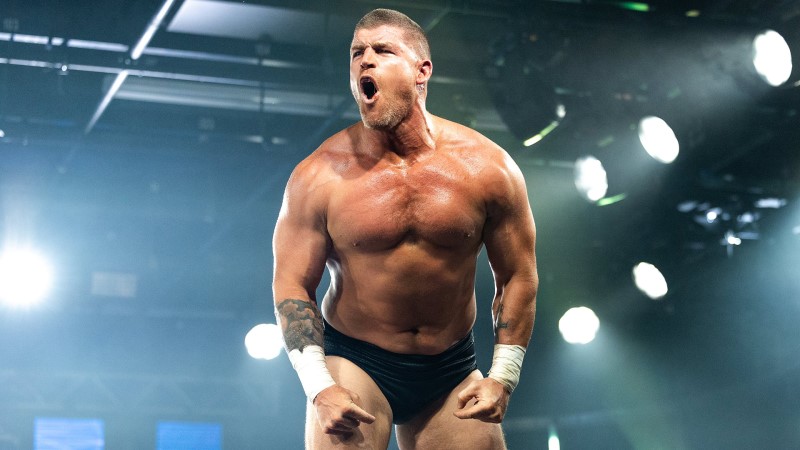
Steve Maclin Injury Update: Return After TNA Sacrifice Scare
Steve Maclin has returned to the ring two weeks after a frightening injury during the TNA Sacrifice main event on March 27. After a hard kick from Mike Santana led to a match stoppage and hospital evaluation, Maclin was cleared of a concussion and has resumed training under professional supervision.
The abrupt termination of a World Championship match isn’t just a narrative pivot; it is a high-stakes logistical and medical crisis. When Santana’s kick landed flush on Maclin’s face, the immediate shift from athletic competition to emergency medical response highlighted the volatile nature of high-impact sports. This incident underscores the precarious balance between an athlete’s drive to compete and the stringent safety protocols required to prevent long-term neurological damage. For a promotion like TNA, a main event stoppage creates an immediate vacuum in the night’s programming and puts a spotlight on the efficacy of their ringside medical infrastructure.
The Anatomy of a Match Stoppage
The chaos that ensued on March 27 was a textbook example of rapid-response medical intervention. According to the reports from the event, ringside medical staff, referees, and TNA President Carlos Silva converged on Maclin almost instantly. The volatility of the situation was compounded when Eddie Edwards entered the ring to brawl with Santana, further complicating the scene while medical personnel attempted to evaluate Maclin’s condition. This level of urgency is standard for head trauma, where the primary goal is to stabilize the athlete and determine if a concussion has occurred before any movement is attempted.
For athletes operating at this level, the physical toll is often masked by a psychological drive to persevere. Maclin, drawing on his background as a Marine, admitted that his first instinct was to push through the trauma and finish the bout. This “hardwired” response is a common complication in sports medicine, where the athlete’s internal drive conflicts with their physical reality. While elite professionals have access to immediate care, amateur athletes facing similar trauma often lack this oversight, making it critical for them to secure local orthopedic specialists and rehab centers to ensure they aren’t returning to play with undetected injuries.
“TNA Sacrifice was one of the scariest moments of my career. My first instinct was to keep going, push through, and finish the match. Because that’s just who I am, how Marines are hardwired.” — Steve Maclin
Medical Clearance and the Role of the “Dad Voice”
The recovery process began with a precautionary transport to a hospital for a full battery of medical tests. The foundational data from these evaluations provided the necessary relief: Maclin passed all tests and was not diagnosed with a concussion. In the world of professional wrestling, where “working through the pain” is often glamorized, the intervention of a trusted authority figure is the only reliable safeguard against career-ending mistakes. Maclin credits TNA producer and trainer Ace Steel for being the voice of reason who ended the match when Maclin would not have stopped himself.
The dynamic between Maclin and Steel illustrates the importance of periodization and supervised recovery in athletic training. Rather than rushing a return to the spotlight, Maclin spent two weeks in a controlled recovery phase. His first return to the ring was not a public appearance, but a supervised session under Steel’s watchful eye. This cautious approach to load management is essential for preventing secondary impact syndrome or other complications that arise when an athlete returns to high-intensity activity too quickly.
“Ace looked at me, calm as ever, and said, ‘You’re done.’ No hesitation. No debate. I said ‘yes sir.’ Sometimes you require that coach, that dad voice, someone you have the upmost respect for, to make the call you won’t make yourself.” — Steve Maclin
Economic and Operational Ripple Effects
Beyond the physical recovery, an event of this nature impacts the broader business of the promotion. A main event stoppage disrupts the planned broadcast flow and can affect regional broadcast revenues and fan satisfaction. From a corporate perspective, the swift confirmation from TNA President Carlos Silva that Maclin had passed his medical tests served as a critical communication tool to stabilize fan concern and protect the athlete’s brand value. When a top-tier talent is sidelined, the financial implications extend to merchandise sales and the long-term viability of championship storylines.

Such incidents also highlight the necessity of robust insurance and contractual protections. The legalities of match stoppages and injury clauses are complex, often requiring the expertise of specialized sports contract lawyers to ensure that both the athlete and the promotion are protected during unplanned hiatuses. The logistical strain of emergency medical transport from a venue impacts the local hospitality and infrastructure ecosystem, as event security and medical teams must coordinate seamlessly with city emergency services.
The Road Back to the World Title
Maclin’s return to the ring, though cautious, signals his intent to reclaim his trajectory toward the TNA World Championship. By utilizing a supervised return-to-play protocol, he has avoided the pitfalls of a premature comeback. The focus now shifts from medical clearance to tactical readiness. Having avoided a concussion, Maclin remains a potent force in the division, though TNA will likely continue to monitor his condition closely before he is cleared for full-contact, high-risk competition.
The resilience displayed by Maclin—summed up in his own words, “You can’t F**king kill me”—is the hallmark of a competitor who understands the mental game of professional sports. However, the real victory here is the systemic failure-safe that worked: the medical staff acted, the president intervened, and the trainer provided the necessary boundary. As Maclin prepares for his next step, the industry is reminded that the most critical part of an athlete’s toolkit isn’t their strength or their will, but the professional support system that knows when to tell them to stop.
Whether you are a professional athlete navigating a high-profile injury or a local sports enthusiast looking to optimize your own physical performance, the right professional network is non-negotiable. From elite medical recovery to the legal intricacies of sports contracts, the World Today News Directory provides a vetted gateway to the experts who keep the game moving forward. Find the specialists you need to ensure your own career remains bulletproof.
Disclaimer: The insights provided in this article are for informational and entertainment purposes only and do not constitute medical advice or sports betting recommendations.