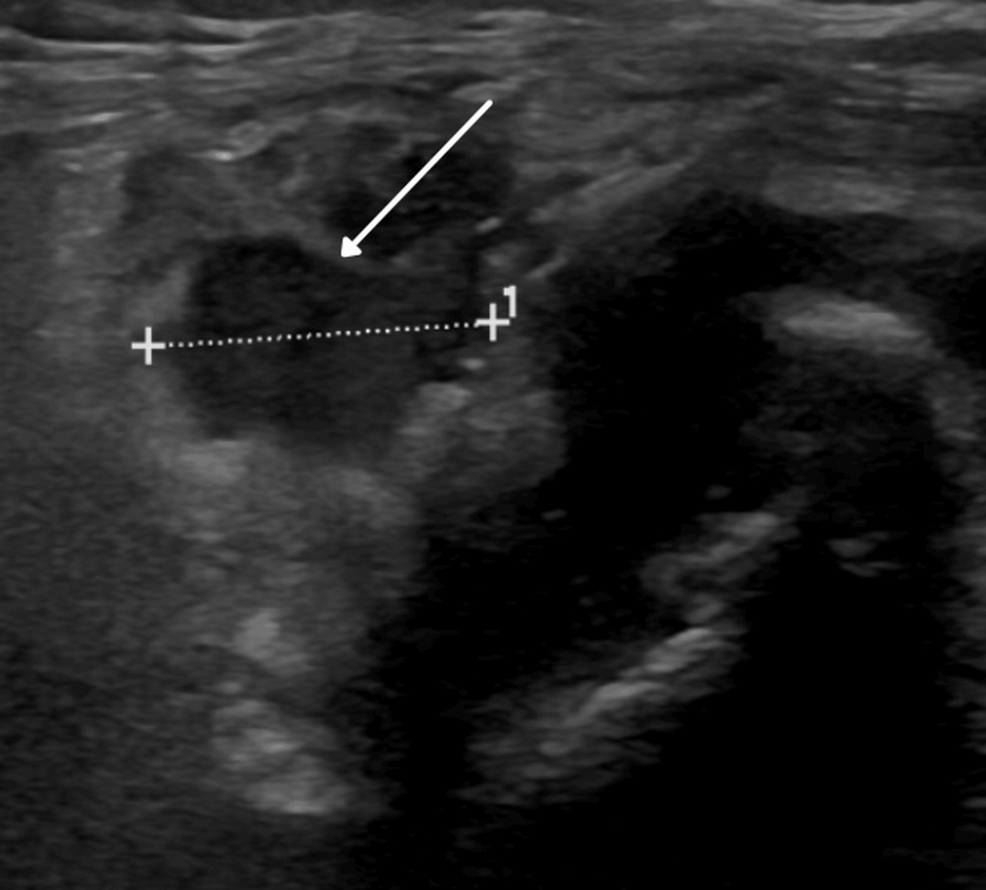
Sternoclavicular Septic Arthritis Presenting as Chest Pain: A Case of Successful Conservative Management
A 64-year-old man presenting with persistent left-sided chest pain was diagnosed with sternoclavicular septic arthritis, a rare infection that can mimic cardiovascular conditions. According to a case report published in Cureus, the patient achieved full recovery through targeted antibiotic therapy without requiring surgery, despite the presence of a retrosternal fistulous tract.
Key Clinical Takeaways:
- Sternoclavicular septic arthritis makes up about 1% of all septic arthritis cases but endangers mediastinal structures.
- Initial symptoms are often nonspecific, frequently leading to delays in diagnosis when physicians prioritize ruling out myocardial ischemia or pulmonary embolism.
- Conservative management with targeted intravenous antibiotics can be effective even in cases involving retrosternal extension, provided there is no extensive bone destruction or drainable abscess.
Diagnostic Challenges in Chest Pain
The patient, who had no history of intravenous drug use or other predisposing conditions, initially presented to the emergency department with a three-day history of mechanical chest pain. While clinicians often suspect acute coronary syndrome in such presentations, initial cardiac markers including troponin I were negative. Cureus reported that the patient later developed a high fever of 39.1ºC, shifting the diagnostic focus toward an infectious etiology as localized inflammatory signs emerged over the left sternoclavicular joint.
Lab results on admission showed high white blood cell count at 19.3 x 10^9/L and elevated C-reactive protein at 37.38 mg/L. Imaging via contrast-enhanced computed tomography confirmed the presence of a 27-mm retrosternal fistulous tract and synovial thickening. The isolation of methicillin-sensitive Staphylococcus aureus (MSSA) from both blood and synovial fluid cultures provided the definitive diagnosis.
Conservative Treatment of MSSA Infection
The medical team opted for a conservative approach rather than surgical intervention, given the absence of extensive bone involvement or mediastinal collections. The patient received an initial course of intravenous flucloxacillin for four weeks, following the clearance of blood cultures, and transitioned to oral amoxicillin/clavulanic acid to complete a total six-week regimen.
| Clinical Marker | Result at Admission | Result at Follow-up |
|---|---|---|
| C-reactive protein (CRP) | 37.38 mg/L | 0.75 mg/L |
| Blood cultures | Positive (MSSA) | Negative |
Radiological resolution was confirmed by follow-up imaging four months after treatment. Clinicians emphasize that while surgical drainage is often necessary for septic arthritis, targeted antibiotic therapy remains a viable primary treatment for carefully selected patients. The proximity of the sternoclavicular joint to the trachea and major vascular structures necessitates careful monitoring for potential complications such as mediastinitis or chest wall abscesses.
Clinical Surveillance and Follow-up
Patients presenting with unexplained chest pain and limited upper limb mobility should be evaluated by specialists, such as infectious disease physicians or rheumatologists, to rule out joint-based infections. In this instance, transthoracic echocardiography was performed to exclude infective endocarditis, a common complication associated with S. aureus bacteremia. While the transthoracic study was deemed sufficient in this case, the decision to pursue transesophageal imaging remains a clinical judgment based on the patient’s evolutionary progress and the quality of initial diagnostic studies.
Ongoing management for similar cases requires a multidisciplinary approach, often involving thoracic surgeons to assess the extent of retrosternal involvement. As this case highlights, the rarity of the condition—occurring in only 1% of septic arthritis cases—often leads to delayed recognition.
Ensuring that physical examinations include a thorough assessment of the sternoclavicular region can facilitate earlier intervention and reduce the risk of long-term morbidity.
Disclaimer: The information provided in this article is for educational and scientific communication purposes only and does not constitute medical advice. Always consult with a qualified healthcare provider regarding any medical condition, diagnosis, or treatment plan.