
Stem Cell Therapy Shows Promise in Reversing Stroke Damage
Researchers at teh University of Zurich have demonstrated that stem cell transplantation can considerably reverse the damage caused by stroke, offering a potential breakthrough in the treatment of this debilitating condition. The therapy promotes neuron regeneration and restores motor function in animal models,representing a major step forward in regenerative medicine for brain disorders.
Stroke affects one in four adults, often leaving survivors wiht lasting impairments like paralysis or speech difficulties due to irreversible brain cell death. Currently, no treatments exist to repair this damage. “That’s why it is essential to pursue new therapeutic approaches to potential brain regeneration after diseases or accidents,” explains Christian Tackenberg, Scientific Head of Division at UZH Institute for Regenerative Medicine.
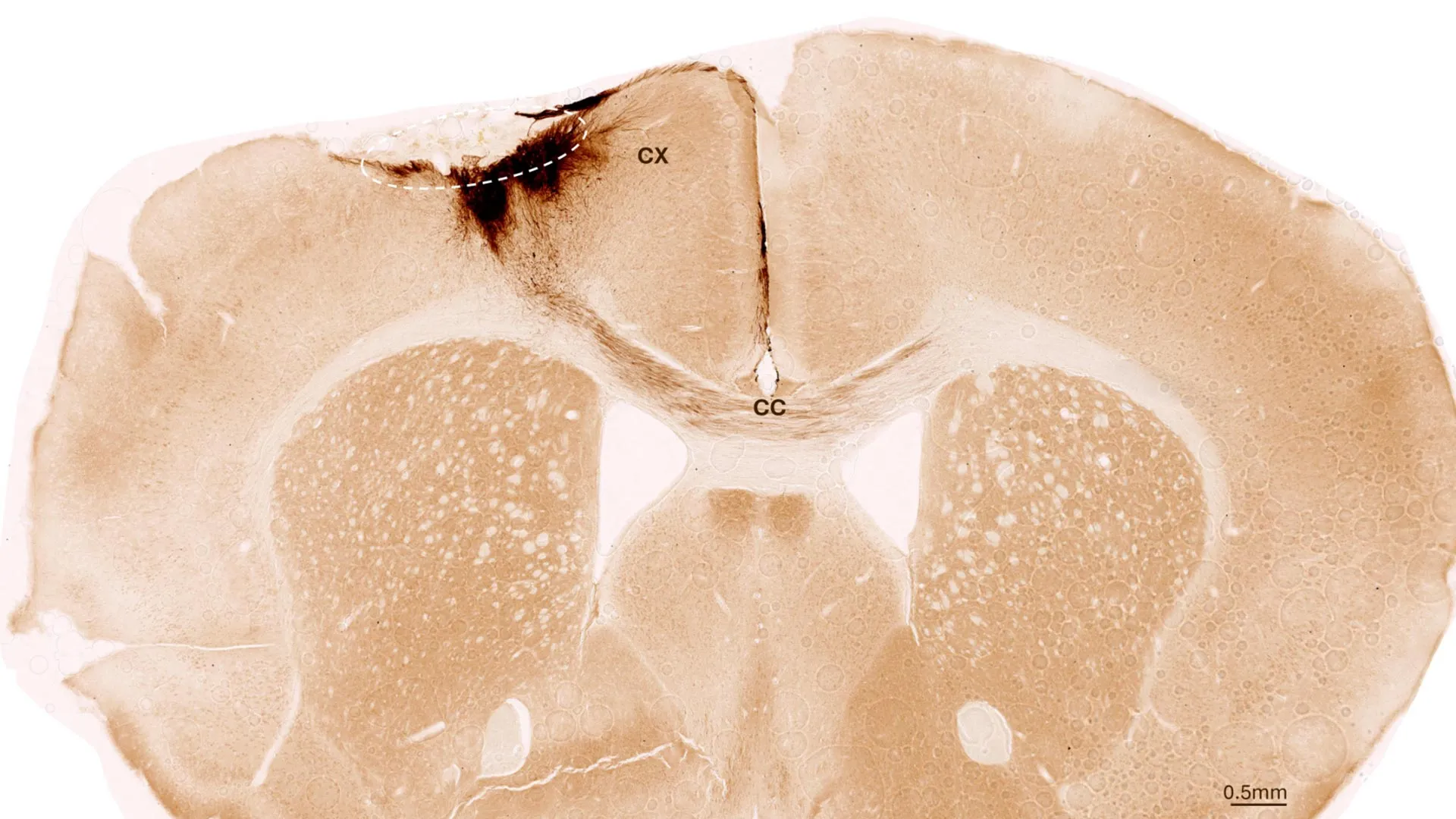
The research, led by Tackenberg and Rebecca Weber, utilized human neural stem cells derived from induced pluripotent stem cells (iPSCs) – cells created from adult human tissue.when transplanted into mice experiencing stroke-like conditions, these stem cells survived and differentiated into functional neurons, integrating with existing brain tissue.
Beyond neuron formation, the therapy triggered broader regenerative processes, including new blood vessel growth, reduced inflammation, and improved blood-brain barrier integrity. Importantly, the stem cell transplantation reversed motor impairments in the mice, as confirmed by AI-assisted gait analysis.
The research team deliberately designed the studies with human application in mind,manufacturing stem cells without animal-derived components in collaboration with Kyoto University’s CiRA. They also discovered that delaying transplantation by a week after stroke onset actually improved outcomes, offering a practical advantage for clinical implementation.
While acknowledging further research is needed, Tackenberg is optimistic. His team is currently focused on developing safety mechanisms to prevent uncontrolled stem cell growth and exploring less invasive delivery methods, such as endovascular injection. Notably, induced stem cell therapies are already being tested in humans for Parkinson’s disease in Japan, and stroke could be the next target for clinical trials.
