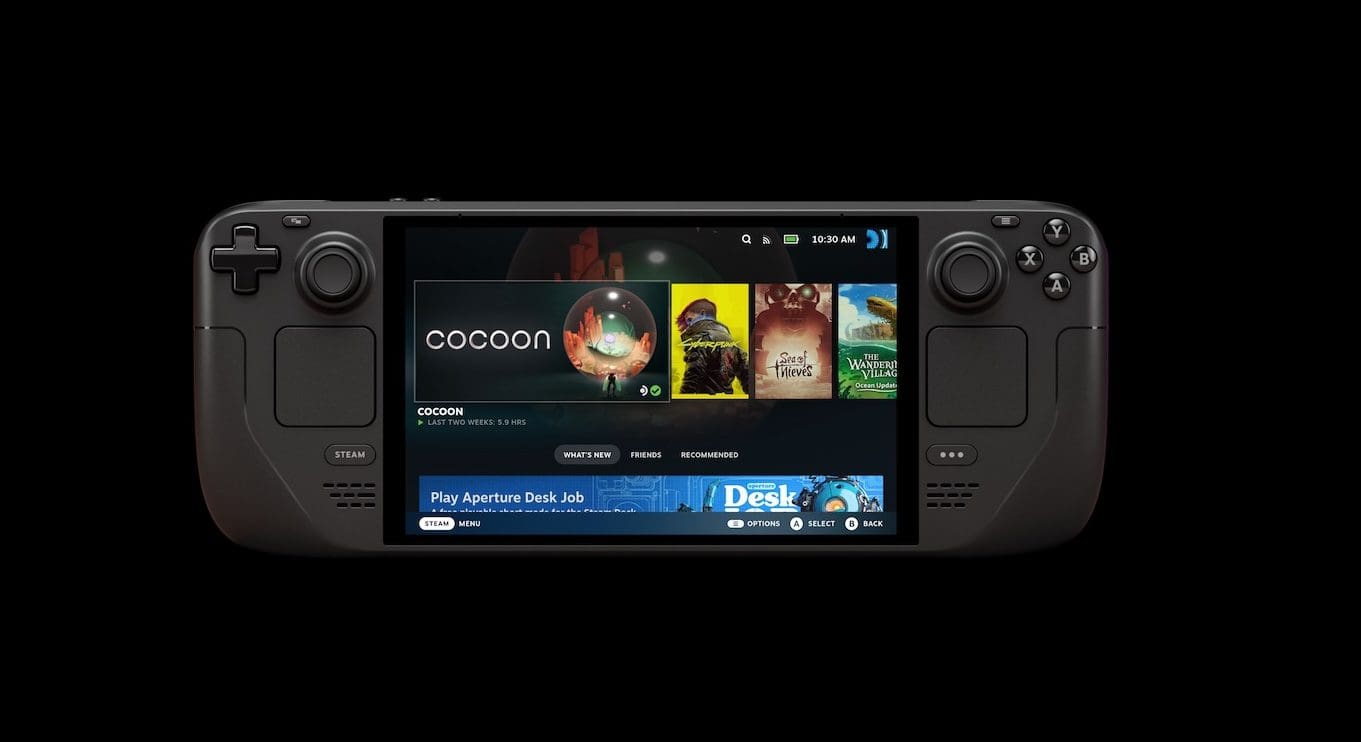
Steam Deck Price Jumps 35% With Top Model Now More Expensive Than PS5 Pro
The price of the Steam Deck, Valve’s handheld gaming computer, has increased by 35% in the Romanian market, following a series of adjustments to retail distribution and regional pricing structures. This shift positions the top-tier configuration of the Steam Deck above the retail price of the PlayStation 5 Pro, creating a new pricing dynamic for high-performance portable hardware compared to stationary home consoles.
The price adjustment specifically impacts the premium models of the handheld device, which have transitioned from their initial launch pricing to a higher bracket on the local market. While Valve manages direct sales via the Steam platform in several territories, the availability and pricing in Romania have been influenced by local retail dynamics and inventory costs. This pricing shift marks a departure from the competitive, entry-level positioning the hardware occupied at its initial release.
Comparative Market Positioning
The PlayStation 5 Pro, Sony’s recently announced mid-cycle refresh of its flagship console, features an upgraded GPU and advanced ray tracing capabilities, targeting a specific tier of the console market. With the Steam Deck’s top-spec model now exceeding the cost of the PlayStation 5 Pro, the portable PC gaming segment is entering a price parity territory previously reserved for dedicated, high-performance home hardware. This development forces a direct comparison between the flexibility of a handheld PC—which allows for library portability and desktop-like functionality—and the specialized, high-fidelity output provided by the latest iteration of Sony’s console.

Market analysts note that the increased cost reflects a combination of localized supply chain pressures and the inclusion of higher-capacity storage and OLED display technology in the current top-tier units. Unlike the fixed hardware cycle of a PlayStation 5, Valve has iterated on the Steam Deck’s internal components, leading to a wider variance in pricing tiers that has now pushed the ceiling for the top-end model higher than previously observed.
Regional Distribution Challenges
The pricing volatility in the Romanian market highlights the ongoing challenges of regional distribution for specialized hardware. While global retail pricing for electronics often fluctuates due to currency exchange rates and import tariffs, the 35% increase observed locally exceeds standard adjustments. This variance underscores the reliance on third-party channels for hardware distribution in regions where Valve does not maintain a direct-to-consumer store presence for physical devices.
As the handheld gaming market continues to expand, manufacturers are increasingly forced to balance the high production costs of specialized components—such as custom APUs and high-refresh-rate screens—with the price sensitivity of the consumer base. Valve has not issued a formal statement regarding the specific factors driving the price surge in the Romanian market, nor have they provided a timeline for potential stabilization or adjustments to their regional distribution strategy.
Valve continues to monitor retail activity across European territories, with no immediate modifications to their broader distribution model scheduled for the current quarter.