
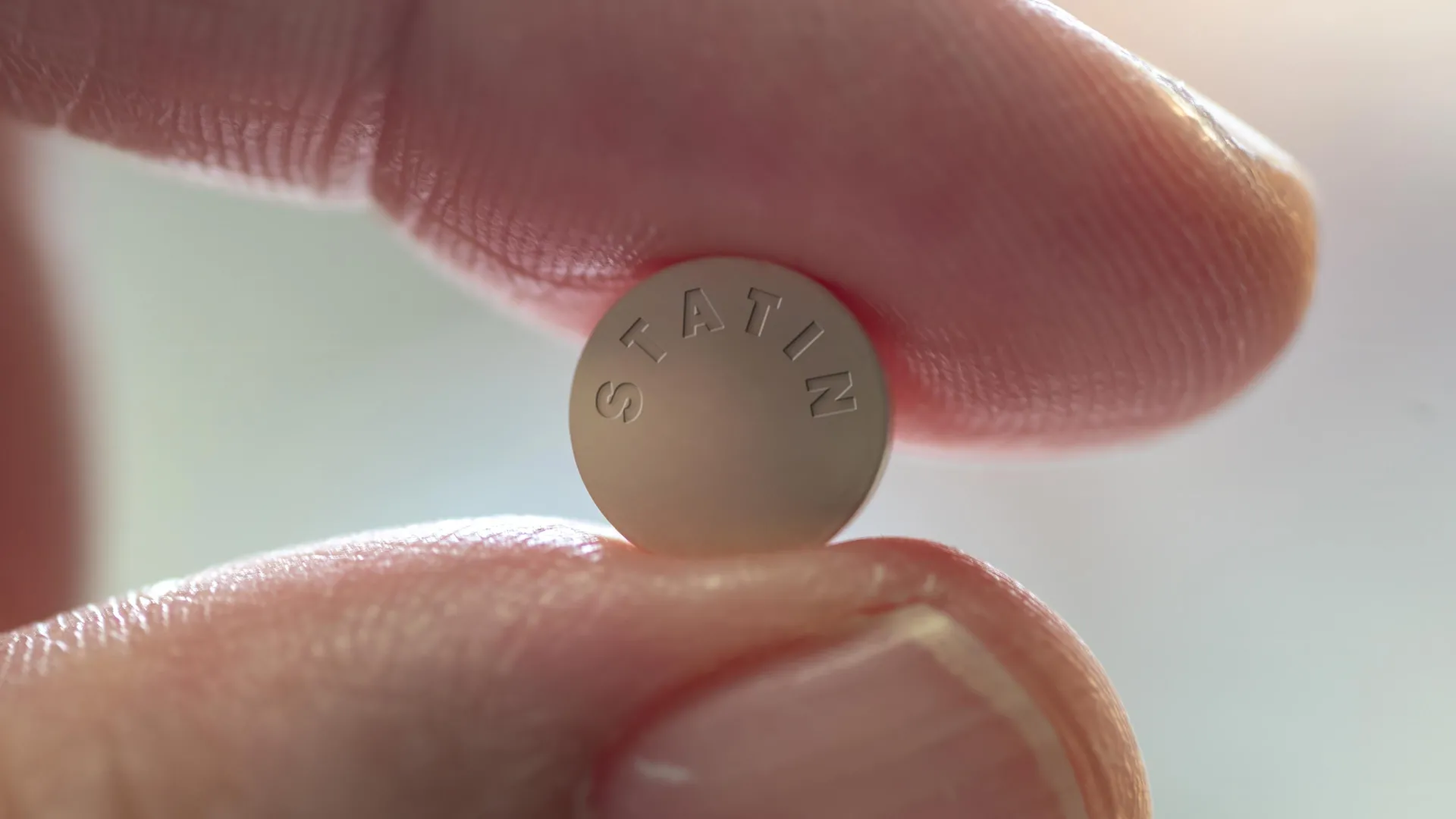
Unlocking the mystery of Statin-Induced Muscle Pain: A Deep Dive into New Research
For millions,statins are a cornerstone of heart health,diligently prescribed to manage cholesterol levels and reduce the risk of cardiovascular disease.Yet,a significant hurdle to their effectiveness lies in the frustratingly common experience of muscle-related side effects – pain,weakness,and fatigue – that lead many patients to discontinue treatment.Approximately 10% of those taking statins grapple with these issues, creating a major challenge for both patients and physicians. But what if we could pinpoint *why* this happens and, more importantly, find ways to prevent it? Groundbreaking research from Columbia University is shedding new light on this longstanding puzzle, offering potential pathways to safer and more effective cholesterol management.
The Statin Side Effect Conundrum: A History of Investigation
As their introduction in the late 1980s, statins have revolutionized the treatment of high cholesterol. They work by inhibiting an enzyme crucial for cholesterol production in the liver. However, almost as quickly as their benefits became apparent, reports of muscle-related side effects began to surface. For decades, scientists have been working to unravel the complex mechanisms behind these adverse reactions.The challenge has been that statins can interact with various targets within the body, making it difficult to isolate the specific cause of muscle problems.
Early investigations suggested a link between statins and disruptions in mitochondrial function – the powerhouses of cells – within muscle tissue. Others explored the role of inflammation and oxidative stress. While these theories offered some explanations, they didn’t fully account for the wide range of experiences reported by patients. The missing piece,it turns out,may lie in a surprising interaction with a key protein responsible for calcium regulation within muscle cells.
A Calcium Leak: The Columbia University Breakthrough
The Columbia University team, led by Dr. Andrew Marks, utilized cutting-edge cryo-electron microscopy to visualize the interaction between statins and muscle cells at an unprecedented level of detail. This powerful imaging technique allowed them to observe, atom by atom, how a commonly prescribed statin – simvastatin – binds to the ryanodine receptor (RyR1), a protein crucial for controlling calcium release within muscle cells.
Their findings revealed that simvastatin binds to two specific sites on the RyR1 receptor, effectively opening a channel that allows calcium to leak out of storage. this uncontrolled calcium release disrupts normal muscle function in several ways:
- Muscle Weakness: Excess calcium can directly interfere with the proteins responsible for muscle contraction, leading to weakness.
- Muscle Pain: The calcium imbalance can trigger signaling pathways that result in muscle soreness and discomfort.
- Muscle Tissue Breakdown: Prolonged calcium leakage can activate enzymes that gradually break down muscle fibers,potentially leading to more severe muscle damage.
“It is unlikely that this explanation applies to everyone who experiences muscular side effects with statins, but even if it explains a small subset, that’s a lot of people we could help if we can resolve the issue,” explains Dr. Marks, chair of the Department of Physiology and Cellular Biophysics at the Vagelos College of Physicians and Surgeons.
Implications for Safer Statin Therapy: Future Directions
This revelation opens up exciting new avenues for developing safer and more tolerable statin therapies. Researchers are now exploring two primary strategies:
1. Redesigning Statins
The most direct approach is to modify the chemical structure of statins to prevent them from binding to the RyR1 receptor. This would allow the drugs to continue effectively lowering cholesterol without triggering the calcium leak and subsequent muscle problems. Dr. Marks is already collaborating with chemists to design and synthesize these next-generation statins.
2. Blocking the Calcium Leak
Alternatively, researchers are investigating drugs that can specifically block the calcium leak caused by statin-RyR1 interaction. The Columbia team has identified an experimental drug, initially developed for rare muscle diseases involving abnormal calcium flow, that shows promise in closing these calcium channels in mice.
“These drugs are currently being tested in people with rare muscle diseases. If it shows efficacy in those patients, we can test it in statin-induced myopathies,” Dr. Marks notes, highlighting the potential for a relatively rapid translation of this research into clinical practice.
Beyond Simvastatin: what About Other Statins?
While the initial research focused on simvastatin, the team is actively investigating whether other commonly prescribed statins exhibit similar interactions with the RyR1 receptor. Preliminary data suggest that some statins may be more prone to causing calcium leaks than others, potentially explaining why some patients experience side effects with certain formulations but not with others. Further research is needed to fully characterize these differences and guide personalized statin selection.
Study Details and Transparency
The study, titled “Structural basis for simvastatin-induced skeletal muscle weakness associated with RyR1 T4709M mutation,” was published on December 15th in the Journal of Clinical Investigation. The research was supported by grants from the National Institutes of Health (NIH) and involved a collaborative effort from researchers at Columbia University, the university of Rochester, and other institutions. Dr. Marks has disclosed financial interests in rycarma Therapeutics Inc.,a company developing compounds targeting the ryanodine receptor,and holds patents related to statin innovation for muscle-amiable cholesterol management.
Key Takeaways
- Statins, while effective for lowering cholesterol, are frequently enough discontinued due to muscle-related side effects.
- New research identifies a mechanism by which statins can trigger a calcium leak in muscle cells, leading to pain and weakness.
- The research focuses on the interaction between simvastatin and the ryanodine receptor (RyR1).
- Two potential strategies are being explored: redesigning statins to avoid the interaction and developing drugs to block the calcium leak.
- Further research is needed to determine if other statins have similar effects.
Looking Ahead
This research represents a significant step forward in understanding and addressing the frustrating problem of statin-induced muscle pain.While more work is needed to translate these findings into clinical practice, the potential for developing safer and more effective cholesterol-lowering therapies is now within reach. The future of cardiovascular health may well depend on our ability to harness this new knowlege and provide patients with the tools they need to manage their cholesterol without sacrificing their quality of life.
