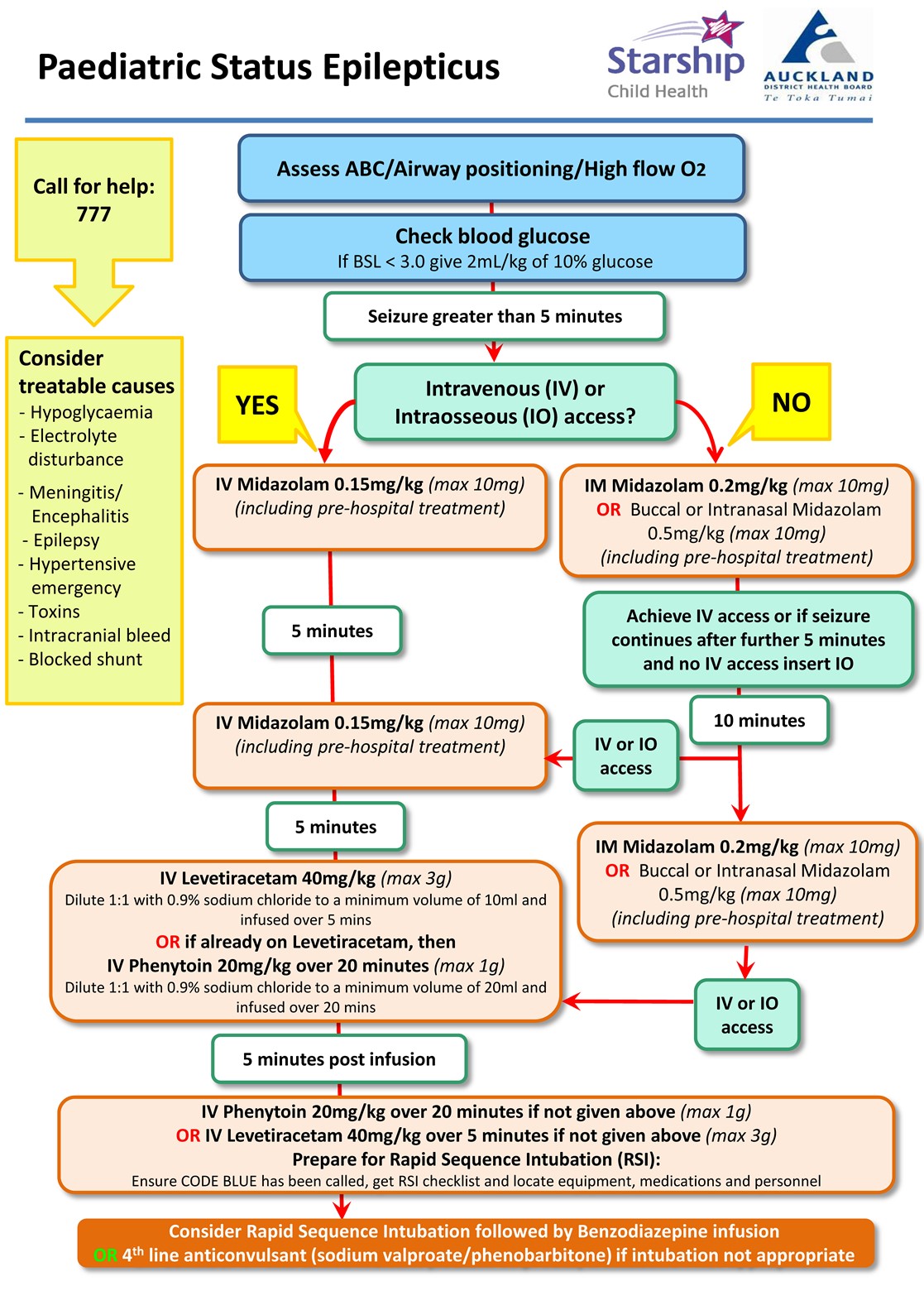
Statins May Reduce Seizure Risk After Status Epilepticus
Recent clinical findings indicate that statin therapy may significantly reduce the incidence of subsequent seizures in patients who have experienced status epilepticus, according to data published in Medscape. This intersection of lipid-lowering pharmacotherapy and neurological critical care offers a novel therapeutic window for managing the complex sequelae of prolonged seizure activity.
Key Clinical Takeaways:
- Statins demonstrate a measurable reduction in post-status epilepticus seizure risk in clinical evaluations.
- The underlying mechanism points to the pleiotropic anti-inflammatory and neuroprotective properties of HMG-CoA reductase inhibitors.
- Clinicians managing complex neurological presentations are evaluating these findings to optimize long-term patient morbidity outcomes.
The Clinical Challenge of Status Epilepticus Morbidity
Status epilepticus represents a neurological emergency characterized by continuous seizure activity or recurrent seizures without full recovery of consciousness between episodes. Despite acute intervention protocols, survivors frequently face profound long-term complications, including acquired epilepsy and cognitive decline. The persistent neuroinflammation and excitotoxicity driven by prolonged ictal states create a destructive environment within the central nervous system. Mitigating this secondary tissue damage remains a primary objective in contemporary neurocritical care, prompting researchers to investigate repurposed pharmacological agents capable of altering neuroinflammatory pathways.
Evaluating the Neuroprotective Mechanism of Statins
The rationale for utilizing statins in this clinical context extends beyond their traditional role in cardiovascular disease management. According to findings highlighted on PubMed, HMG-CoA reductase inhibitors exhibit potent pleiotropic effects that target the central nervous system. These mechanisms include the downregulation of pro-inflammatory cytokines, suppression of microglial activation, and enhancement of endothelial function within cerebral microvessels. By interrupting the cascade of neuroinflammation that typically follows status epilepticus, statin therapy may alter the pathological plasticity that leads to unprovoked post-traumatic or post-status seizures.
When managing complex patients with high risks of neurological deterioration, coordinating specialized care is essential. It is highly recommended to consult with vetted board-certified neurologists and epileptologists to tailor comprehensive post-acute management plans.
Epidemiological Implications and Future Clinical Pathways
Translating these observations into standard clinical pathways requires rigorous validation through large-scale, prospective investigations. Public health databases and clinical registries managed by organizations such as the World Health Organization continue to track the broader outcomes of drug repurposing in critical care neurology. As researchers map out the precise dosage parameters and therapeutic windows required for neuroprotection, healthcare systems must prepare to integrate these protocols into standard discharge and follow-up care.
For healthcare institutions and clinical practices establishing new neurological care pathways, ensuring administrative compliance and streamlined inter-facility referral networks is critical. Retaining specialized healthcare compliance attorneys and medical practice consultants helps mitigate liability while adopting emerging consensus guidelines.
Ultimately, the exploration of statins as an adjunct therapy post-status epilepticus underscores a broader shift toward multi-modal neuroprotection in acute care medicine. As ongoing research clarifies patient selection criteria and optimal treatment durations, clinicians will rely on multidisciplinary expertise to translate these findings from trial data into measurable reductions in patient morbidity.
Disclaimer: The information provided in this article is for educational and scientific communication purposes only and does not constitute medical advice. Always consult with a qualified healthcare provider regarding any medical condition, diagnosis, or treatment plan.