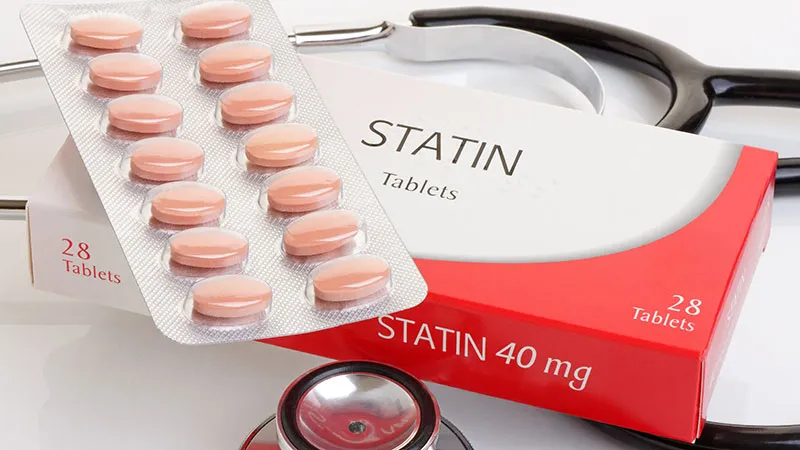
Statins Linked to Lower Glaucoma Risk and Reduced Need for Surgery
People who take daily cholesterol-lowering statin medications have a lower risk of developing open-angle glaucoma and require fewer invasive surgical interventions or pressure-reducing drops if they already have the condition, according to a study published in the British Journal of Ophthalmology.
-
Key Clinical Takeaways:
- Statin users showed a 15% lower risk of developing open-angle glaucoma at five years, and a 10% reduction at ten years.
- Patients with glaucoma who took statins needed significantly fewer in-office laser procedures, minimally invasive glaucoma surgeries, and conventional operations.
- The exact biological mechanism remains unproven.
Statin Use and Lower Glaucoma Rates in the British Journal of Ophthalmology Study
Traditional glaucoma treatments focus exclusively on reducing fluid pressure within the eye to protect the optic nerve. A study published online October 6, 2026, in the British Journal of Ophthalmology examined how cholesterol-lowering drugs fit into that picture. A retrospective cohort study analyzing the association between statin therapy and glaucoma was conducted using the TriNetX database by Forest Lin and colleagues from the Morsani College of Medicine at the University of South Florida in Tampa.
The open-angle glaucoma incidence analysis included 210,701 matched patients older than 40 years with statin use and ophthalmological follow-up within one year prior. Statin users were 15% less likely to develop open-angle glaucoma over five years and 10% less likely over a decade. Globally, about 95 million individuals are estimated by researchers to suffer from glaucoma, an optic nerve disorder resulting in progressive vision loss.

Reduced Surgical Intervention and Treatment Escalation for Statin Users
In a comparison of nearly 280,000 glaucoma patients analyzed by researchers, those taking statins required far fewer invasive procedures. The open-angle glaucoma treatment analysis by Lin and colleagues included 29,598 matched patients with glaucoma and concurrent statin use.
Participants taking statins faced a 36% lower risk of needing incisional glaucoma surgery, a 55% lower risk of needing minimally invasive glaucoma surgery, and a 60% lower risk of selective laser trabeculoplasty at five years. At the 10-year mark, the reduced risk stood at 32% for incisional surgery, 46% for minimally invasive glaucoma surgery, and 51% for selective laser trabeculoplasty. Statin use also linked to lower rates of topical ocular hypotensive prescriptions, with hazard ratios of 0.89 at five years and 0.88 at ten years.
“Certainly, patients with statins were protected from development to glaucoma, from worsening of glaucoma, so in a patient who’s already being treated for glaucoma, it could reduce the likelihood of progression,” said senior study author Robert Weinreb, distinguished professor in the Viterbi Family Department of Ophthalmology at UC San Diego School of Medicine and ophthalmologist at UC San Diego Health.
Exploring Potential Neuroprotective Mechanisms and Eye-Body Connections
The potential mechanism explaining how statins protect the eyes remains unclear. Benjamin Bert, a board-certified ophthalmologist at MemorialCare Orange Coast Medical Center in Fountain Valley, California, told Medical News Today that the findings support the idea of a neuroprotective effect benefiting the optic nerve, noting that some forms of glaucoma progress despite adequate control of intraocular pressure.
Because the optic nerve relies on strong blood flow, cardiovascular and metabolic factors such as high cholesterol, hypertension, and diabetes influence glaucoma risk. Alessandro A. Jammal, a glaucoma and cataract surgeon at Mass Eye and Ear and instructor in ophthalmology at Harvard Medical School in Boston, who was not involved in the study, noted that identifying additional approaches to protect vision is an important priority given that glaucoma remains a leading cause of irreversible blindness.
Future Clinical Research and Complementary Treatment Strategies
Researchers emphasize that statin use is not meant to replace conventional treatments that lower intraocular pressure. Prospective randomized trials are required to gain a clearer understanding of how statin administration impacts both the development and management of glaucoma, as pointed out by Weinreb.

If future clinical trials confirm these protective roles, doctors may gain a clear roadmap for adding statins to a patient’s vision-saving regimen.
Disclaimer: The information provided in this article is for educational and scientific communication purposes only and does not constitute medical advice. Always consult with a qualified healthcare provider regarding any medical condition, diagnosis, or treatment plan.