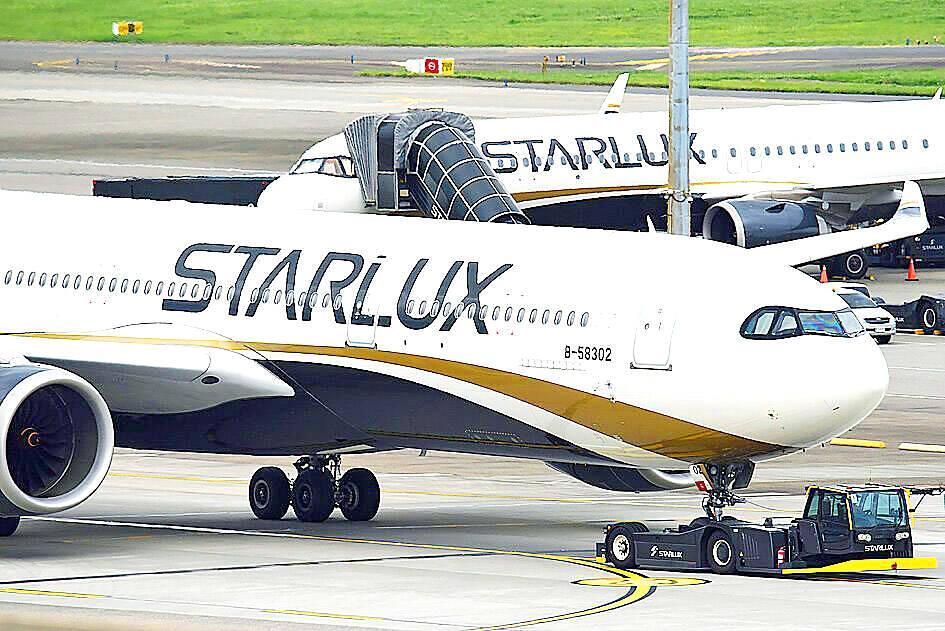
Starlux to Launch Taipei-Bali Flights in October
Starlux Airlines is launching a direct route between Taipei and Bali in October 2026, aiming to capture the growing demand for luxury leisure travel between Taiwan and Indonesia. This strategic expansion strengthens regional connectivity, boosting tourism infrastructure in Bali and increasing competitive pressure on existing carriers in the Asia-Pacific corridor.
The aviation industry is currently in a state of aggressive recalibration. For years, the Taipei-to-Bali corridor was dominated by a handful of players, often requiring cumbersome transfers or relying on legacy carriers with rigid scheduling. Starlux isn’t just adding a flight; they are attempting to shift the market equilibrium by introducing a “boutique” luxury experience to a route that has historically been viewed as a standard leisure run.
But luxury air travel is only half the equation. The real friction lies on the ground.
Bali’s Ngurah Rai International Airport (DPS) has long struggled with capacity constraints and systemic congestion. Adding more high-capacity, premium-tier flights increases the pressure on Denpasar’s local infrastructure. When you flood a destination with high-net-worth travelers, the demand for high-end hospitality and specialized logistics skyrockets instantly, often outpacing the local supply.
The Macro-Economic Ripple Effect on Indonesian Tourism
This route launch coincides with Indonesia’s broader effort to diversify its tourism appeal beyond the “backpacker” image of the 1990s. The Indonesian government has been pivoting toward “Quality Tourism,” a policy designed to attract visitors who stay longer and spend more. Starlux, with its emphasis on premium cabins and high-end service, is the perfect vehicle for this state-led economic strategy.
Historically, the relationship between Taiwan and Indonesia has been defined by labor migration and industrial trade. However, we are seeing a structural shift. The rise of the Taiwanese middle and upper-class traveler is creating a symbiotic relationship with Bali’s luxury villa market. This isn’t just about vacationing; it is about the movement of capital.
“The introduction of more direct, premium carriers from East Asia is forcing a rapid professionalization of Bali’s hospitality sector. We are seeing a surge in demand for international-standard management and legal compliance that the island simply wasn’t prepared for a decade ago.”
The quote above comes from a senior consultant in Southeast Asian tourism development, highlighting a critical gap: the “Service Vacuum.” As the volume of affluent travelers increases, the risk of subpar service or legal disputes over luxury rentals grows. For businesses operating in Bali, this means a desperate demand for international contract lawyers to manage the complexities of foreign investment and lease agreements in the Indonesian jurisdiction.
Infrastructure Strain and the Logistical Bottleneck
While the skies are opening, the roads of Bali remain a perennial challenge. The “Bali Traffic” phenomenon is not merely an inconvenience; it is a systemic failure of urban planning. Increased arrivals at Ngurah Rai translate directly into more vehicles on the narrow arteries leading to Ubud and Seminyak.
This creates a specific problem for the corporate traveler or the luxury tourist: the “last mile” failure. When the journey from the airport to the resort becomes a four-hour ordeal, the premium experience promised by Starlux evaporates. This gap has created a lucrative niche for high-end, vetted private transportation and concierge services that can navigate the island’s chaotic geography with precision.
To understand the scale of this expansion, consider the current regional landscape:
| Metric | Previous Market State | Projected Post-Starlux Impact |
|---|---|---|
| Route Accessibility | Limited Directs / High Transfers | Increased Frequency / Direct Luxury |
| Target Demographic | General Leisure / Budget | High-Net-Worth / Luxury Segment |
| Infrastructure Pressure | Moderate / Seasonal | High / Year-round Premium Demand |
| Economic Driver | Volume-based Tourism | Value-based “Quality Tourism” |
The impact extends beyond the airport. The influx of Taiwanese capital often follows the flight paths. We are seeing an increase in Taiwanese investors eyeing real estate in the Republic of Indonesia, particularly in the luxury villa sector. However, navigating Indonesian land laws—specifically the distinction between Hak Pakai (right to use) and Hak Milik (right of ownership)—is a legal minefield for foreigners.
Foreign investors frequently find themselves in disputes over land tenure. Those who succeed are those who don’t wing it; they employ specialized corporate consultants to ensure their assets are shielded from the volatility of local zoning changes.
The Geopolitical Undercurrent
There is a deeper layer here. The strengthening of ties between Taipei and Jakarta via aviation is a soft-power play. As Taiwan seeks to expand its footprint in Southeast Asia to reduce reliance on single-market dependencies, aviation serves as the primary bridge. This represents a strategic alignment with the Associated Press reported trends of “friend-shoring,” where economic ties are strengthened between politically aligned or friendly nations.
Bali is the “soft” entry point. Once the leisure routes are established and the business class cabins are full, the transition to more robust trade and diplomatic exchanges becomes seamless. The airline is the vanguard of a larger economic integration.
However, this growth is not without friction. Local community leaders in Bali have expressed concerns over “over-tourism” and the erosion of cultural authenticity in the face of mass luxury development. The tension between economic windfall and cultural preservation is a tightrope that the Indonesian government must walk carefully.
The problem is clear: the physical and legal infrastructure of Bali is being asked to evolve faster than it naturally can. Whether it is the congestion of the roads or the ambiguity of land titles, the “growth pain” is real.
As Starlux prepares its fleet for the October launch, the real question isn’t whether the planes will fly, but whether the destination can sustain the expectation of luxury. The gap between a five-star flight and a three-star ground experience is where the risk lies. For the savvy traveler or the opportunistic investor, the solution is not to avoid the chaos, but to find the professionals who know how to navigate it. Whether you are securing a luxury estate or managing a regional corporate expansion, the only way to survive the growth spurt is through verified, expert guidance found within the World Today News Directory.