
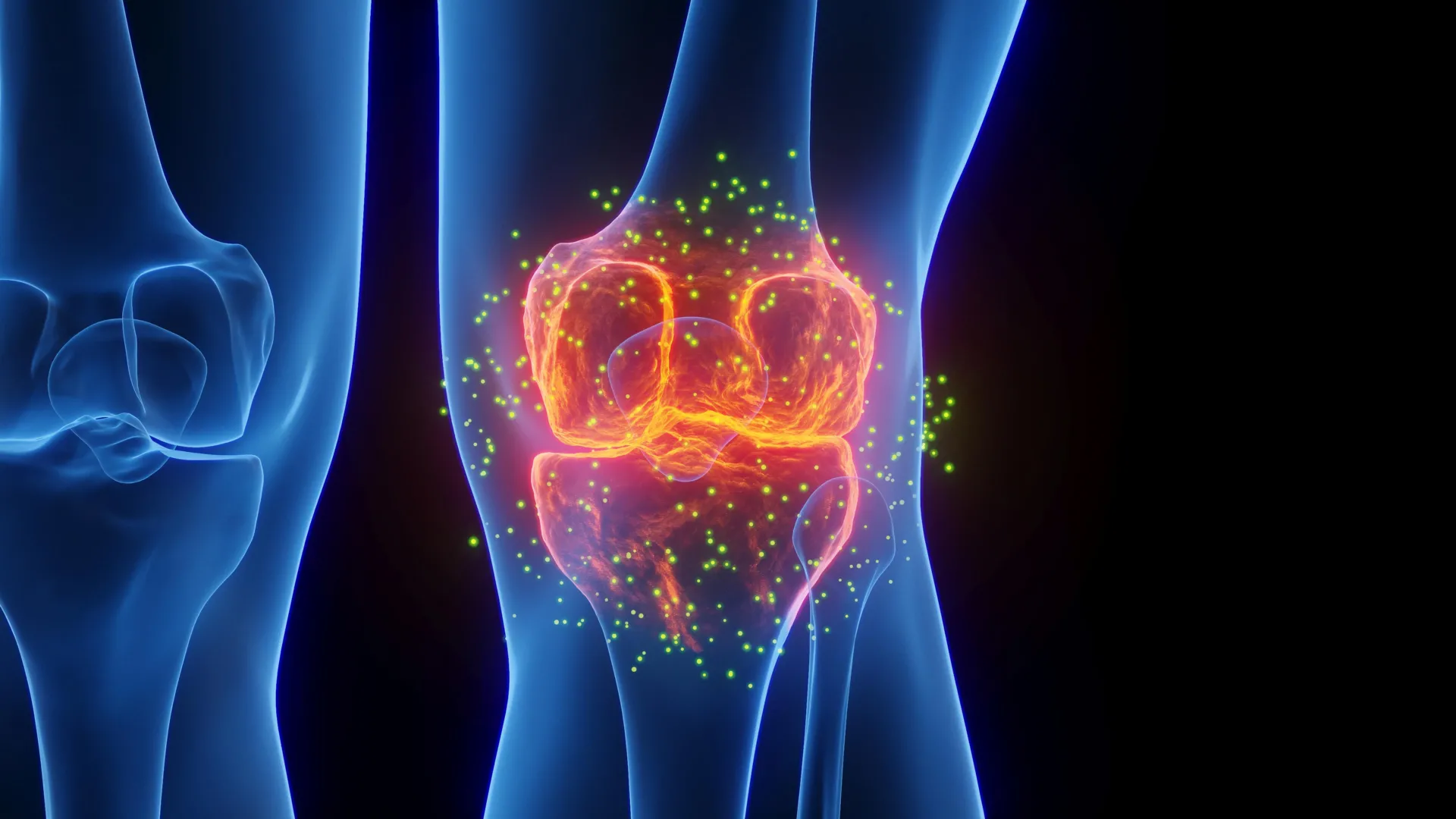
Summary of the Research on Cartilage Regeneration & Osteoarthritis
This research details a novel approach to treating osteoarthritis by targeting the root cause of cartilage damage – an aging enzyme called 15-PGDH (a “gerozyme”). Here’s a breakdown of the key findings:
The Problem:
* Osteoarthritis: A common condition causing joint pain and swelling due to cartilage breakdown. Current treatments primarily address symptoms, not the underlying cause.
* Cartilage Regeneration: articular cartilage (the type damaged in osteoarthritis) has limited ability to regenerate, unlike other tissues. Stem cells haven’t been found within the cartilage itself to facilitate repair.
The Revelation:
* 15-PGDH: This enzyme increases with age and drives the loss of tissue function. Blocking it has shown positive results in regenerating muscle, nerve, bone, and other tissues.
* Unique Cartilage Repair: Cartilage regeneration doesn’t rely on stem cells. Instead, chondrocytes (cartilage cells) change their gene behavior to revert to a more youthful state.
* Prostaglandin E2 Connection: 15-PGDH breaks down prostaglandin E2, which is crucial for stem cell function in other tissues. The researchers hypothesized a similar link in cartilage.
The Research & results:
* Increased 15-PGDH with Age: Researchers found 15-PGDH levels doubled in the knee cartilage of older mice.
* Gerozyme Inhibitor: Injecting older mice with a small molecule to inhibit 15-PGDH led to dramatic regeneration of cartilage. This regeneration was more significant than any previously reported with other drugs or interventions.
* Mechanism: Blocking 15-PGDH appears to allow prostaglandin E2 levels to rise, triggering the rejuvenation of chondrocytes and cartilage repair.
Significance:
* New treatment Pathway: This research offers a potential new way to treat osteoarthritis by directly addressing the cause of cartilage loss, rather than just managing symptoms.
* Clinical Promise: The findings suggest a potential for a drug that could regenerate cartilage in aging or injured joints.
In essence, the study identifies 15-PGDH as a key driver of cartilage aging and demonstrates that inhibiting this enzyme can trigger significant cartilage regeneration in mice.
