
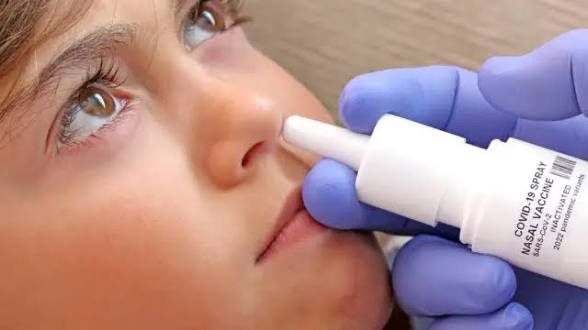
Stanford Nasal Spray Vaccine: Broad Immunity Against Respiratory Diseases & Allergies
STANFORD, CALIFORNIA – Scientists at Stanford University have developed a needle-free nasal vaccine that could fundamentally alter the prevention of respiratory illnesses and allergies. The vaccine, administered as a nasal spray, aims to provide broad protection with a single application, stimulating multiple immune defenses simultaneously.
Research published in 2026 in the journal Science details how the treatment generated lasting immunity in animal models for several months. Unlike traditional vaccines that target specific pathogens, this new approach activates both the innate and adaptive immune systems. The spray triggers an immediate response from the innate immune system while also bolstering immunological memory for long-term protection, according to the study.
This method mimics a controlled natural infection, keeping the lungs primed to defend against viruses, bacteria, and allergens. Researchers believe this strategy could prove more effective against rapidly mutating or emerging pathogens. In trials conducted on mice, a single application of the vaccine reduced viral load in the lungs by up to 700-fold. Importantly, the animals did not exhibit severe adverse effects, such as significant inflammation or weight loss, suggesting a promising early safety profile.
The vaccine’s protective capabilities extend beyond viral infections, demonstrating efficacy against bacterial infections and reducing reactions to common allergens. This broadens its potential applications considerably. The formula combines components designed to activate different parts of the immune system, including innate immune response stimulators, proteins that attract T cells to the lungs, and signals that prolong the duration of protection. This combination trains the body to react to multiple respiratory threats, rather than focusing on a single virus or bacterium.
This approach represents a significant departure from centuries of vaccine development focused on single targets, potentially streamlining future vaccination campaigns and improving population coverage. Currently, the nasal vaccine is in the pre-clinical phase, meaning it has not yet been tested in humans. Researchers anticipate initiating clinical trials between late 2026 and 2027 to assess its safety and efficacy in people. Positive results would pave the way for large-scale studies between 2028 and 2029, with potential approval within the following five to seven years.
The ease of administration via a nasal spray could simplify logistics for immunization campaigns, particularly in populations with a fear of needles or limited access to healthcare professionals. Eliminating the require for syringes and complex application procedures could also increase coverage and reduce costs for public health systems. Stanford Medicine has also recently reported advancements in an AI model capable of predicting disease risk during sleep, and a new material that mimics the color and texture changing abilities of an octopus, though these developments are unrelated to the nasal vaccine research.
Further information on scientific advancements and public health can be found at /economia-mexico-2026, while details of the study and its scientific publication are available on the Science journal portal at https://www.science.org.AM.MX/fm.