Standalone Saunas Raise Prices After Revenue VAT Guidance Shift
Standalone sauna operators across Ireland are raising session prices by approximately one euro to two euros per hour after the government narrowed the scope of a reduced value-added tax rate, shifting standalone facilities from 9% to 13.5%, thejournal.ie reported.
Revenue Guidance Limits 9% VAT Rate to Fitness Complexes
The financial adjustments follow updated guidance issued by Revenue in July. Under previous rules established in 2018, the reduced 9% VAT rate applied to saunas generally, with administrative notes suggesting they were typically situated within sporting facilities. The updated July guidance for miscellaneous sauna services stipulates that the 9% rate now exclusively applies to saunas and steam rooms operating within a fitness complex where there is no separate charge for the amenity. Standalone businesses find themselves excluded from that lower tier.
The Department of Finance maintained to thejournal.ie that the VAT rate for standalone saunas was always 13.5%, despite multiple operators stating they operated under the impression the 9% rate applied to them. Standalone owners argue the distinction places them at a direct disadvantage against larger leisure centres offering comparable heat therapy amenities.

Standalone Sauna Operators Raise Prices Amid Rising Costs
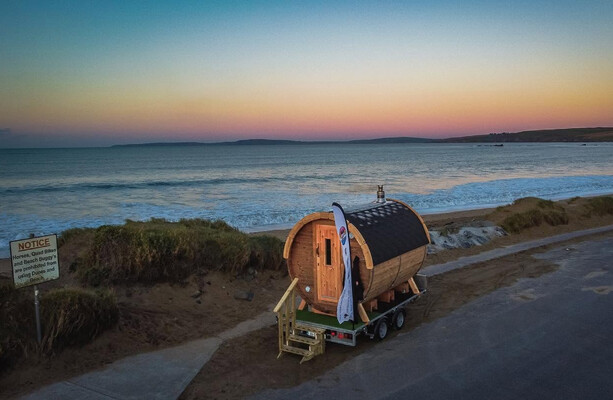
Companies running wood-fired saunas in outdoor and urban spots have notified patrons of imminent price changes. The Hotbox Sauna, which operates wood-fired units at eight locations including Killiney Beach and Dublin’s docklands, emailed customers to explain that the tax shift forced adjustments across its entire network. The company noted that the VAT change coincided with rising minimum wage requirements, increased employer PRSI contributions, and higher costs for the wood and energy needed to maintain 25 hot saunas year-round. An off-peak hour at a city location now costs €15.95—one euro higher than before—while peak sessions rose by two euros to €21.95. At the same time, the company introduced discounted rates for students, individuals over 66, and healthcare workers.
In Cork, the Sauna Snugg raised session prices by 95 cents, with operator Steve Forde stating he discovered the rephrasing on the Revenue website after the Budget rather than a formal announcement. Forde noted that because his facility connects to a GAA club and offers cross-deals to gym members, he initially assumed it qualified for the lower tier, but the new rules penalize businesses that also open their doors to non-gym members. Forde criticized the shift as an intentional tax on physical and mental health targeting a growing sector, warning it threatens the long-term viability of small businesses and challenges the EU principle of fiscal neutrality, which seeks to prevent competing services from facing disparate VAT treatment.
Small Operators Manage Higher Tax and Energy Expenses
Operators now weigh whether to absorb the additional tax burden within tight operating margins or pass the costs directly to customers during a period of heightened living expenses. Sauna Snugg has pledged to lower prices again if government policy shifts back. For now, small operators across the country must pay the higher 13.5% rate while managing concurrent increases in labour and energy expenses.