
Singapore Announces “Vers” Scheme to Address Aging Housing Stock, signaling Shift from Selective Redevelopment
SINGAPORE – In a meaningful move addressing the future of its aging public housing stock, the Singaporean government has unveiled “Vers” (Voluntary Early Redevelopment Scheme), a new program allowing older Housing & Development Board (HDB) flats to be redeveloped before reaching the end of their 99-year leases. The proclamation signals a potential shift away from the Selective En bloc Redevelopment Scheme (SERS), which is becoming increasingly limited in scope.
The challenge of Aging Leases & Declining SERS Opportunities
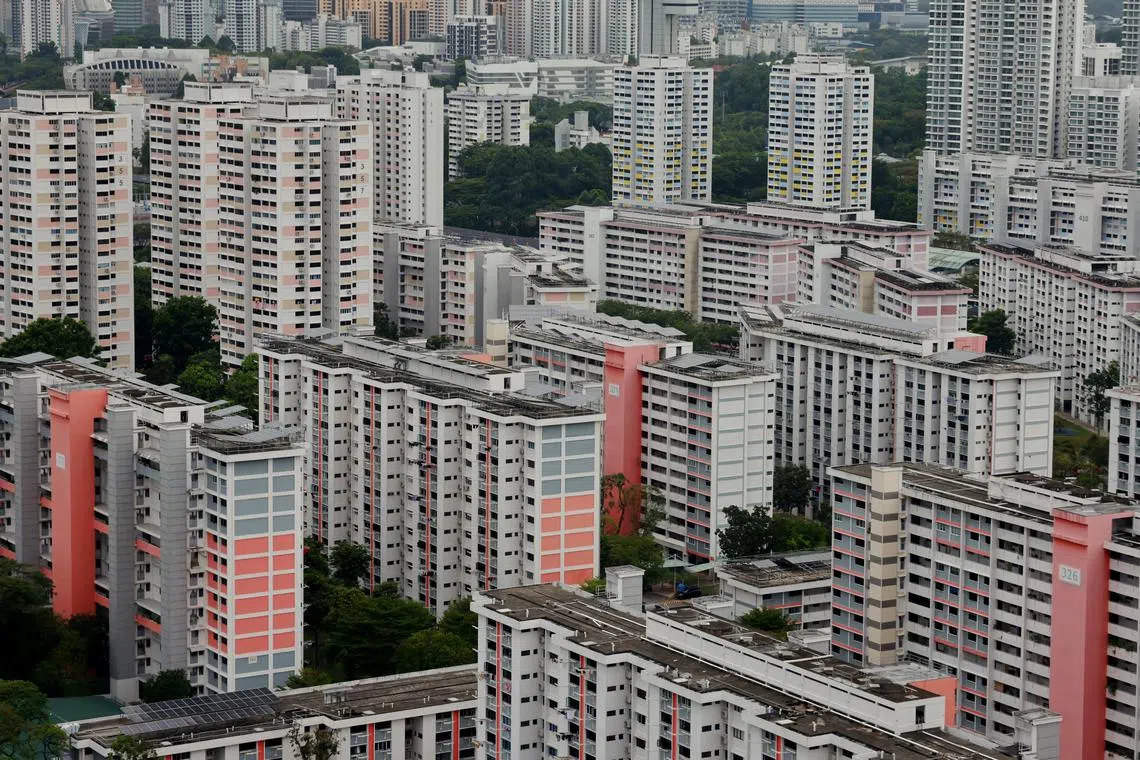
Singapore’s public housing landscape, a cornerstone of national policy, faces a growing challenge: a substantial number of flats are nearing the 50-70 year mark. Many were built in the 1960s and 70s, and are now facing structural and infrastructural limitations. As of 2030, some of the earliest HDB flats, completed in 1962, will be 68 years old. This presents a long-term planning issue as these buildings require increasingly expensive maintenance and upgrades.
Traditionally, the government has addressed aging estates through SERS, a program where entire blocks or neighborhoods are selected for redevelopment, offering residents market compensation and relocation benefits. However, the Ministry of National Development (MND) indicated in a 2022 parliamentary reply that opportunities for SERS are dwindling, as most sites with high redevelopment potential have already been identified. This limitation prompted the development of Vers as a complementary approach.
How Vers Will Work
Vers differs from SERS in a key aspect: it is voluntary. While SERS mandates redevelopment for selected blocks, Vers will allow residents of eligible estates to vote on whether to participate in early redevelopment. The scheme will be rolled out in phases, beginning with trials on “a few selected sites” in the first half of the 2030s, and progressively scaled up to encompass selected estates across Singapore by the late 2030s.
The government will first solicit feedback from Singaporeans on the Vers framework before implementation. Details regarding compensation packages, relocation assistance, and the redevelopment process itself are expected to be released following this consultation period.
Recent SERS Activity & Context
The most recent SERS project, announced in April 2022, involves Blocks 562 to 565 in Ang Mo Kio Avenue 3. These blocks, completed in 1979, were approximately 43 years old at the time of selection, impacting 606 households.Replacement flats are slated for completion in the third quarter of 2027. This project exemplifies the scale and timeline associated with SERS, and highlights the need for option solutions like Vers as the pool of eligible SERS sites diminishes.
Key Considerations & Potential Impacts
Voluntary Nature: The success of Vers hinges on achieving sufficient resident consensus for redevelopment. Lower participation rates could limit its effectiveness.
Financial Implications: The cost of Vers, including compensation and redevelopment expenses, will be significant. The government will need to carefully manage these costs to ensure the program’s sustainability.
Long-Term Planning: Vers represents a proactive approach to managing Singapore’s aging housing stock, potentially mitigating future maintenance burdens and improving the quality of living for residents.
impact on Leaseholds: The introduction of vers doesn’t alter the basic 99-year leasehold system in Singapore, but it provides a mechanism for residents to benefit from redevelopment before the lease expires.
Additional Details Not Included in Original Article:
Historical Context of HDB: The HDB was established in 1960 with the primary goal of providing affordable housing for Singaporean citizens. Over the decades, it has successfully housed over 80% of the population.
SERS Eligibility Criteria: SERS sites are typically selected based on factors such as building age, structural condition, and potential for improved land use.
Future of SERS: While SERS opportunities are decreasing, the scheme will likely continue to be utilized for strategically important sites.
Potential for Hybrid Approaches: It’s possible the government may explore hybrid approaches combining elements of SERS and Vers to optimize redevelopment efforts.
