Spate of Mass Shootings Kills Nearly 40 Across South Africa
A series of mass shootings across three major South African cities killed 38 people within a single week in September 2026, intensifying a national security crisis surrounding organized crime, illegal firearms, and escalating violence ahead of upcoming local elections.
South Africa is reeling from a devastating wave of violence that left nearly 40 people dead in separate mass shooting incidents over a seven-day period. The bloodshed spans major urban centers including Johannesburg, Cape Town, and Durban, thrusting the country’s severe crime rates back into the center of public debate as citizens prepare to head to the polls for local elections in November 2026.
Wedela and Cape Town Tavern Attacks
The violence escalated sharply over the weekend of September 26-27, 2026. On Saturday night, an attack at a shisanyama—a local venue selling barbecued meat—near Cape Town left 10 people dead and 11 others injured, according to South African police statements.

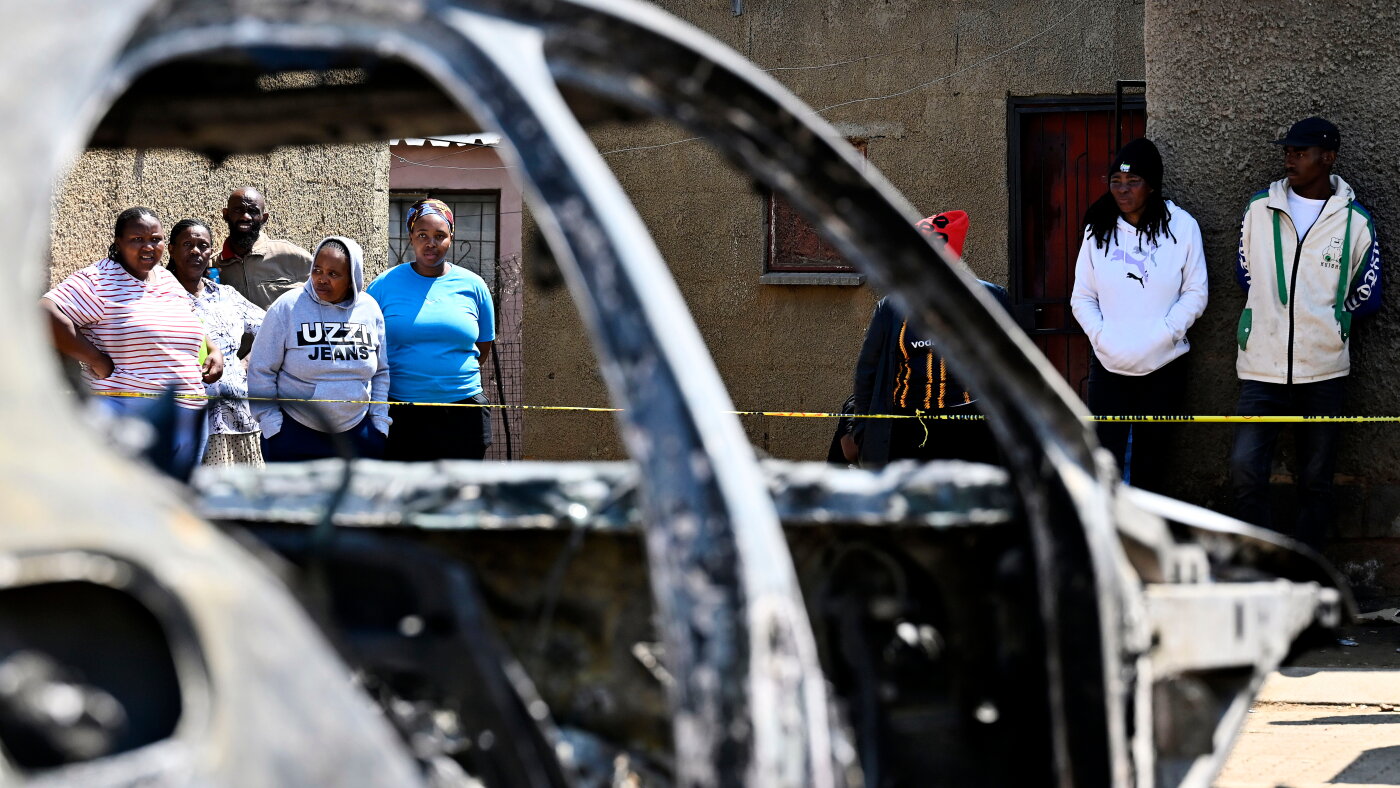
Simultaneously, near the commercial capital of Johannesburg, a heavily armed group carrying AK-47 rifles stormed a township tavern. Seventeen people were killed inside the drinking establishment. Police reported that the perpetrators allegedly searched patrons for cellphones before fleeing in two unidentified motor vehicles, two of which were set ablaze at the scene. Authorities have not yet established a clear motive for either of the weekend attacks.
Durban House Party Assault and Prior Incidents
Earlier in the week, on Tuesday, September 23, 2026, multiple gunmen targeted a house party in KwaMakhutha township, located south of Durban. The shooting killed 11 people, including a pregnant woman. While a definitive motive remains under investigation, police noted that several individuals inside the house were previously known to authorities in connection with ongoing criminal investigations.
Mass shooting incidents of this scale have become increasingly frequent in South Africa, where illegal firearms are prevalent and heavily tied to gang violence and organized crime rings. In June 2026, a separate attack killed 12 people when gunmen stormed an informal settlement in Johannesburg where residents live in tin shacks without running water or electricity. Police and community reports linked that incident to turf wars involving illegal gold miners, locally known as zama-zamas.
At the scene of the June shooting, resident Angela Mopayi, 54, described the terror of the onslaught. “I hid under my bed,” Mopayi said. “I couldn’t breathe, I couldn’t do anything, I thought I was dying.”
National Security and Political Fallout
South Africa maintains one of the highest murder rates in the world, averaging approximately 60 killings per day. However, the concentration and lethality of recent mass casualty events have elevated the issue to a national crisis.
President Cyril Ramaphosa has publicly characterized organized crime as the most immediate threat to the nation’s democracy, society, and economic development, prompting the deployment of the military to several of the hardest-hit areas. Meanwhile, international attention has also focused on the region’s security challenges, though political debates often highlight different facets of the crisis.
In addition to the mass shootings, public protests have erupted across the country following a spate of brutal femicides in Johannesburg. Authorities reported the discovery of a tenth woman’s body on a Saturday in September, despite official pledges from law enforcement to intensify crackdowns on gender-based violence. With local elections scheduled for November, security and community protection remain the paramount concerns for voters facing increasing volatility.