
Spain’s Transport Sector Braces for Fuel Price Hike due to New Emissions Regulations
Spain’s transport industry is anticipating a significant increase in fuel costs – potentially up to 45 cents per liter – as an inevitable result of new regulations requiring the purchase of emissions rights, set to take effect in 2027. The changes, impacting both professional and private fuel use, are drawing concern from transport associations who warn of a ripple effect throughout the Spanish economy.
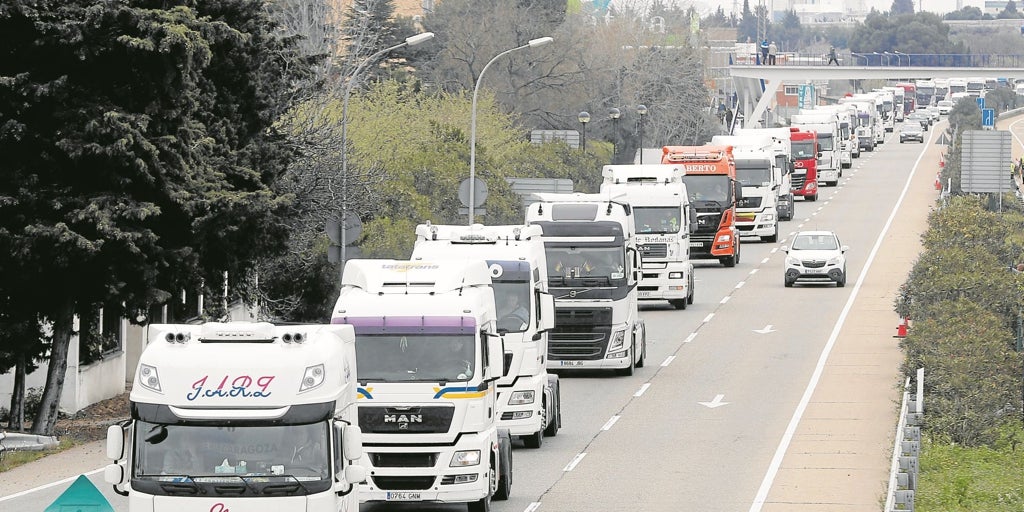
Currently, approximately 95% of inland freight transport in Spain relies on road transport. The upcoming regulations will essentially function similarly to a fuel tax increase, requiring businesses and individuals to acquire rights to emit pollutants. however, unlike existing fuel taxes, professional transport operators will likely not receive the current tax return discount on professional diesel, a key form of compensation they currently rely on.
Transport organizations estimate the new regime will add between 25 and 45 cents per liter to the cost of fuel, representing a potential price increase of 15% to 30% based on current prices. While some distributors suggest a more moderate impact of 15 to 25 cents per liter, the consensus is that the cost will be significant.
The increased expense will effect a broad range of users, including private drivers, farmers, passenger transport, and crucially, the freight transport sector – which is considered a major contributor to polluting emissions. Carmelo González of CETM (Confederación Española de Transportistas de Mercancías) stated that the highly competitive transport sector, operating on narrow margins, will likely pass these increased costs onto consumers through higher rates.
Experts predict this price increase will extend beyond the transport sector, impacting industry and consumers across Spain. Carlos Giner, global Transport Director of the Sesé Group, a major Spanish logistics company, explained that the new regulations will increase costs related to fossil fuels, ultimately leading to price increases throughout the economy.
The government’s stated goal is to incentivize companies to accelerate decarbonization efforts and rationalize fuel consumption by making polluting activities more expensive. Pedro González-Gaggero of EY notes the dual purpose of the initiative: to encourage investment in lower-emission processes and to reduce overall consumption.
While acknowledging the need for sustainability, industry representatives express frustration with the perceived lack of robust defense of Spanish interests during the negotiation of these regulations. They are urging the government to negotiate aid or compensation measures to mitigate the financial impact. Carlos Giner of the Sesé Group emphasized the need for institutional support and versatility in choosing the most appropriate decarbonization technologies.
