
Spain Achieves Historic Low in Food Waste, Pioneering Lasting Practices
Table of Contents
Madrid, Spain – A decade of concerted effort has yielded remarkable results in Spain’s battle against food waste. Recent data reveals a meaningful decline in wasted food, dropping from 1.78% of total marketed products in 2014 to just 0.47% in 2024 – a reduction exceeding one percentage point. This achievement underscores the effectiveness of collaborative initiatives and evolving consumer behaviors.
Record Sales and Efficiency Gains
The progress translates directly into increased efficiency within the Spanish food distribution system. in 2024, an remarkable 98.91% of all food products were successfully sold, a slight increase from 98.76% in 2023 and 98.6% in 2022.Consequently, only 1.09% of products went unsold last year, marking an all-time low for the sector. This data highlights a strategic shift towards minimizing waste at every stage of the supply chain.
Nuria de Pedraza, Director of Communication and Institutional Relations at AECOC, emphasized the power of collaboration.”In 2012, we launched a pioneering European project to unite companies and develop joint solutions to prevent and reduce food waste,” she stated.”through sustained effort, based on prevention, surplus redistribution, and awareness campaigns, participating large distribution companies have reduced their waste rate from 1.78% to 0.47% of total commercialized products.”
Consumers Embrace Anti-Waste Measures
Alongside distribution advancements,consumer habits are also evolving. A food waste barometer, jointly prepared by AECOC and Phenix, indicates strong consumer support for initiatives aimed at reducing food loss. buyers are actively seeking practical ways to participate in this crucial effort.
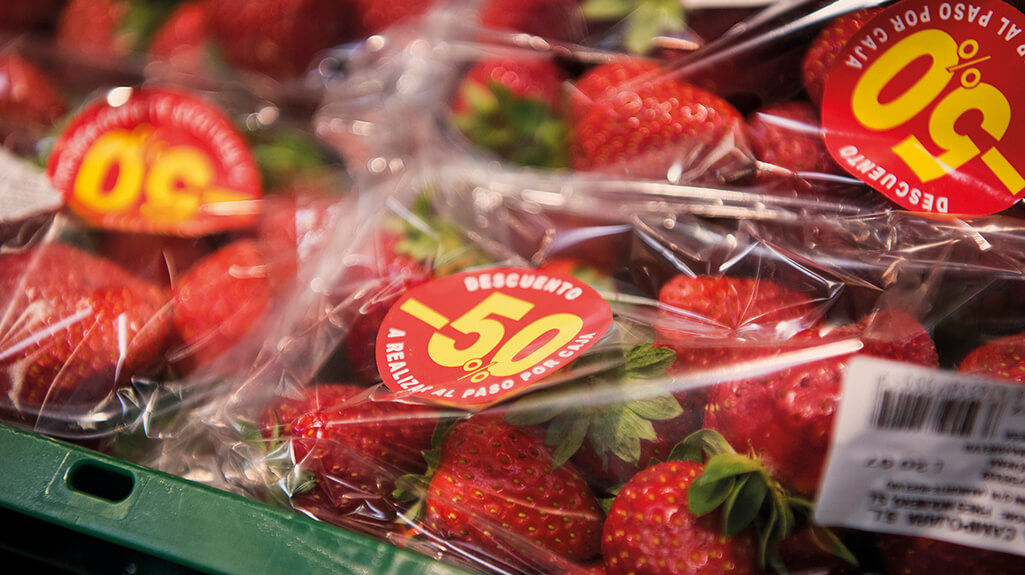
Seven in ten consumers surveyed believe discounts on products nearing their expiration dates are an effective strategy. Furthermore, 59% favor products packaged in portion sizes tailored to individual needs, and 48% appreciate shelf organization designed for varying household sizes.
Did You Know?
The Food and Agriculture Organization of the United Nations (FAO) estimates that roughly one-third of all food produced globally is lost or wasted, costing the world economy nearly $1 trillion annually [[1]].
Industry Priorities: Packaging and labeling
consumers are also voicing preferences for industry improvements. Sixty-two percent prioritize packaging with airtight closures or zip-lock features, while 55% demand clearer labeling of “best before” and expiration dates. Nearly half, 49%, believe surplus food should be repurposed into new products. These insights offer actionable guidance for manufacturers and retailers.
The commitment extends to the hospitality sector.Sixty-seven percent of consumers welcome the option to take leftover food home, 61% support last-minute menu discounts, and 44% value portion sizes adjusted to individual appetites.
The data clearly demonstrates that reducing food waste has become a priority across the entire food chain – from distribution to manufacturers and restaurants. This success is driven by a combination of logistical efficiency, innovative processes, and a changing relationship with the consumer.
| Year | Food Waste percentage | food Sales Percentage |
|---|---|---|
| 2014 | 1.78% | 98.22% |
| 2022 | 1.4% | 98.6% |
| 2023 | 1.24% | 98.76% |
| 2024 | 0.47% | 98.91% |
What innovative solutions do you think could further reduce food waste in your community? How can technology play a larger role in optimizing food distribution and consumption?
Pro Tip: Planning meals, creating shopping lists, and properly storing food are simple yet effective ways to minimize waste at home.
The Global Context of Food Waste
Food waste is a global challenge with significant environmental, economic, and social consequences. beyond the ethical implications of wasting edible food while millions face hunger, food waste contributes to greenhouse gas emissions, water depletion, and land degradation. The United nations Sustainable Development Goal 12.3 aims to halve per capita global food waste at the retail and consumer levels by 2030 [[2]]. spain’s progress serves as a model for other nations striving to achieve this aspiring target.
Frequently Asked Questions About Food Waste
- What is considered food waste? Food waste refers to food that is fit for human consumption but is discarded or lost along the food supply chain.
- Why is reducing food waste crucial? Reducing food waste conserves resources, lowers greenhouse gas emissions, and helps address food insecurity.
- What can individuals do to minimize food waste? Individuals can plan meals, store food properly, and compost food scraps.
- what role do retailers play in reducing food waste? Retailers can offer discounts on near-expiration products, optimize shelf organization, and donate surplus food.
- How does food waste impact the environment? Food waste contributes to landfill overflow, greenhouse gas emissions, and inefficient use of water and land.
This is a truly inspiring example of how collective action and consumer awareness can drive meaningful change. We encourage you to share this story and join the conversation about building a more sustainable food system. Subscribe to our newsletter for more breaking news and insightful analysis.
