Spain’s Democratic Memory Law and the Electoral Census Battle
The Spanish electoral census has become a flashpoint for political confrontation, with the People’s Party (PP) accusing Pedro Sánchez of electoral fraud linked to the Democratic Memory Law. The legislation, which facilitates citizenship for descendants of those who fled during the dictatorship, has reignited long-standing debates regarding the influence of the external vote on national election results.
The Evolution of the External Vote as a Political Tool
The Democratic Memory Law, designed to provide a path to nationality for the children and grandchildren of Spanish exiles, is now being framed by opposition leaders as a mechanism to manipulate future electoral outcomes. According to reporting from elDiario.es, this narrative represents a sharp pivot for the PP, which previously integrated something very similar into its own 2023 electoral platform. The current contention centers on whether the expansion of the electorate through citizenship grants constitutes a legitimate act of historical reparation or a strategic attempt to shift the demographic balance of the voter base.

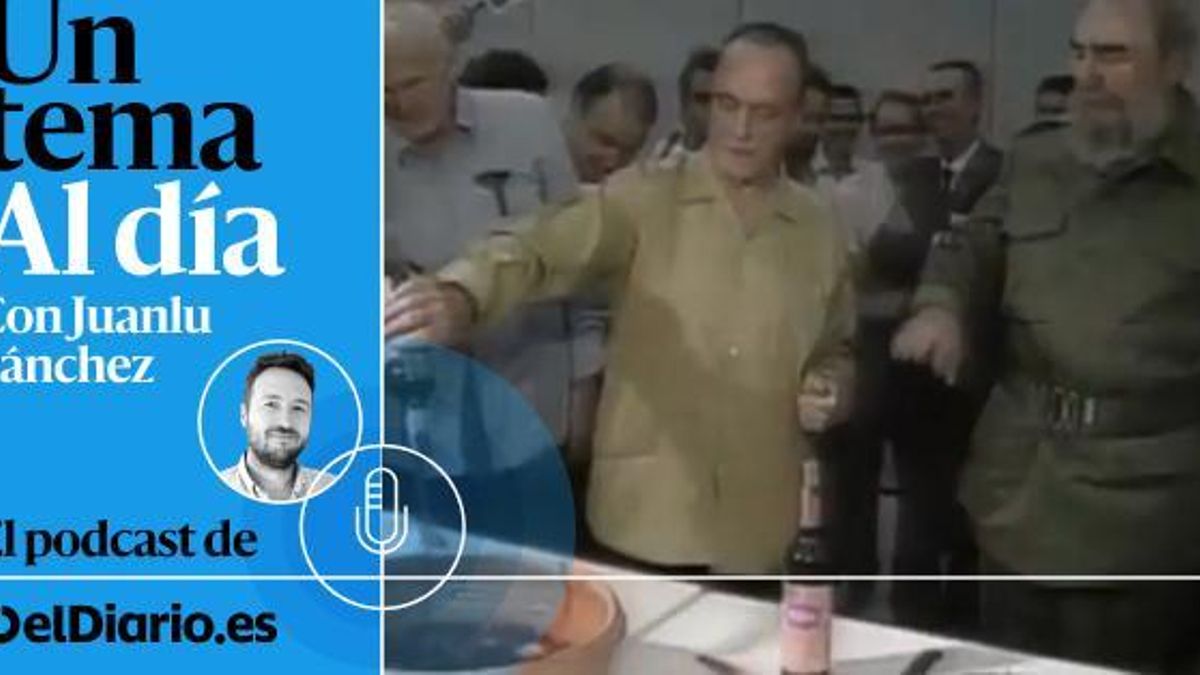
Historically, the external vote has served as a critical component of Spanish electoral strategy. Political analyst and professor at Carlos III, Lluís Orriols, notes that the census has functioned as a “battlefield.” Far from being a new phenomenon, the mobilization of voters abroad has been a consistent feature of contests, particularly in Galicia. For years, the PP gallego, with Feijoo and also with Fraga at the head (visiting Fidel Castro in Cuba to let themselves be seen), benefited from the external vote.
The Legal and Administrative Reality for New Citizens
For those navigating the complexities of claiming citizenship under the Democratic Memory Law, the process is far from purely political. Applicants must prove their lineage through birth certificates, marriage records, and evidence of their ancestors’ status as exiles.

Those seeking to formalize their status and exercise their rights—including the right to vote—often find that the guidance of a qualified expert is essential. The potential for administrative delays or the rejection of incomplete files creates a significant hurdle for families attempting to reconnect with their heritage.
Historical Context: From Exile to the Ballot Box
The current debate ignores the underlying reality of the diaspora: many families left Spain due to hunger, fear, or the war. The “desarraigo,” or sense of displacement, experienced by these generations is now being channeled into a modern political debate over who holds the right to participate in Spanish democracy.
Political journalist Luis Pardo, in his analysis with elDiario.es, highlights that the current rhetoric regarding the electoral census is largely a tactic of confrontation. By labeling the acquisition of citizenship as “fraud,” the opposition seeks to challenge the legitimacy of the current administration’s legislative agenda. However, this stance remains in stark contrast to the historical practices of the PP in Galicia, where the external vote was once viewed as a vital asset.
Navigating Political and Legal Complexity
As the political temperature rises, the intersection of historical memory and electoral law continues to evolve. The tension is not merely about the number of potential new voters, but about the control of the narrative surrounding national identity. For organizations and individuals caught in the crossfire of these policy shifts, maintaining compliance with changing electoral regulations is paramount.

As the battle for the census intensifies, the primary risk remains the potential for political rhetoric to obscure the legal rights of those seeking to reclaim their family history.
The history of Spain is inextricably linked to the stories of those who left and those who remained. Whether this latest political battle will result in legislative changes remains to be seen. History suggests that while politicians may use the diaspora as a tool for today’s confrontation, the individuals involved require the steady, professional guidance to ensure their rights are protected against the volatility of the political cycle.