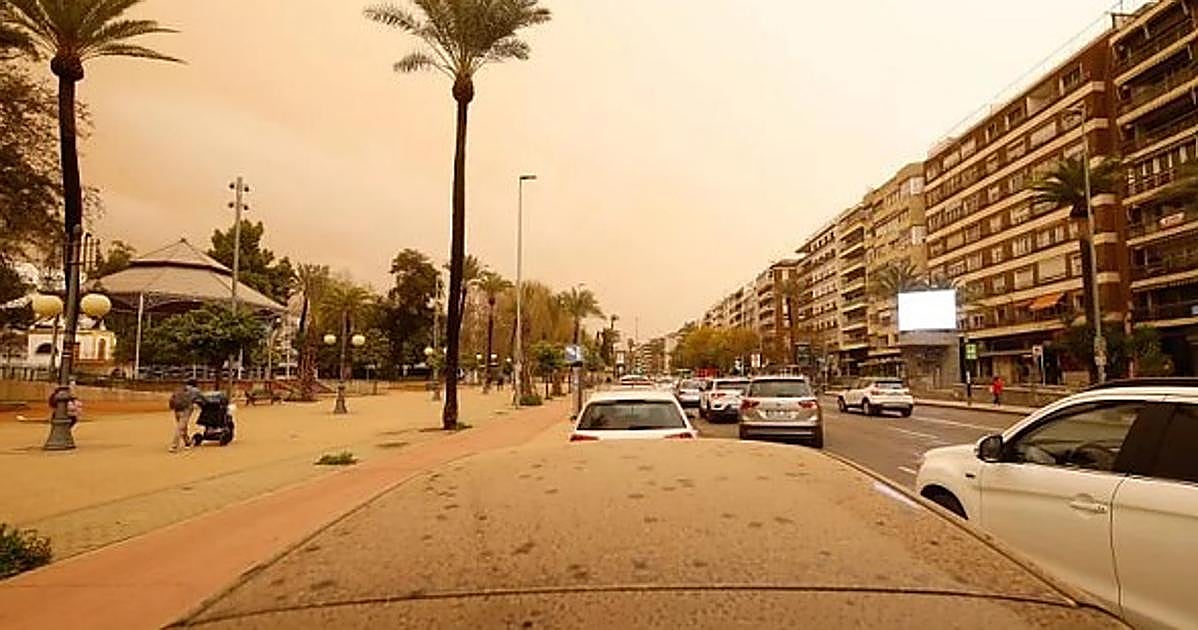
Spain Weather Alert: Unusual April Heatwave and Calima Dust
On April 21, 2026, Spain’s State Meteorological Agency (Aemet) issued a calima alert as Saharan dust swept across the peninsula, driving temperatures to 30°C in the southeast and triggering health warnings for vulnerable populations. This phenomenon, intensified by climate-driven shifts in North African wind patterns, is not merely a weather anomaly but a growing public health and infrastructure challenge affecting agriculture, air quality, and urban planning in regions like Murcia, Alicante, and Almería.
The Dust Rises: Understanding Calima’s Growing Threat
Calima—hot, dust-laden winds originating from the Sahara—has historically affected southern Spain sporadically. However, satellite data from the European Space Agency’s Copernicus program shows a 40% increase in dust intrusion events over the Iberian Peninsula since 2020, correlating with rising Sahel temperatures and weakened Atlantic trade winds. In April 2026, PM10 particulate levels in Murcia spiked to 180 µg/m³—triple the WHO’s safe daily limit—prompting school outdoor activity cancellations and increased emergency room visits for respiratory distress.

Unlike transient haze, this calima event persisted for 72 hours due to a stalled high-pressure system over the western Mediterranean, trapping dust at surface level. The phenomenon coincided with an anomalous early-season heatwave, pushing temperatures in Elche to 34°C and Córdoba to 33°C—values typically unseen until June. Agricultural cooperatives in the Vega Baja region reported immediate stress on citrus crops, with leaf stomata clogging reducing photosynthesis efficiency by an estimated 22% based on preliminary field assessments from the Instituto Murciano de Investigación y Desarrollo Agrario y Alimentario (IMIDA).
Local Impact: When Dust Meets Urban Infrastructure
In Cartagena, municipal workers logged over 200 hours of additional street cleaning in 48 hours as fine particulates coated solar panels, reducing municipal energy output by an estimated 8% according to city energy auditors. The Port of Almería reported delayed vessel turnarounds as crews wore respirators during deck operations, and visibility dropped below 1,000 meters, triggering port safety protocols. These disruptions reveal a critical gap: most Spanish municipal emergency plans address flooding or wildfires but lack specific protocols for prolonged particulate events.

“We’re seeing calima not as an occasional nuisance but as a seasonal stressor on our infrastructure and public health systems. Our current alert systems are designed for rain or wind—not for air that becomes a physical hazard.”
Health centers in Alicante reported a 15% uptick in asthma-related consultations during the event, with elderly patients and outdoor workers disproportionately affected. The Regional Ministry of Health in Valencia activated its air pollution contingency plan, distributing N95 masks to senior care facilities—a measure praised by advocates but criticized for lacking long-term prevention strategies.
The Economic Undercurrent: Agriculture, Tourism, and Adaptation Costs
The Segura River basin, Spain’s fruit and vegetable basket, faces dual threats: calima reduces crop yields even as simultaneously increasing irrigation demand as dust-coated leaves lose moisture faster. The Asociación de Agricultores del Segura estimates annual adaptation costs—including increased washing of produce, greenhouse filtration upgrades, and lost labor productivity—could exceed €120 million annually if current dust frequency trends continue. Meanwhile, coastal tourism operators in Benidorm and Torrevieja noted a 10% decline in beachfront bookings during the event, with visitors citing “uncomfortable air quality” in post-stay surveys.
These pressures are accelerating interest in adaptive infrastructure. Urban planners in Granada are piloting permeable, dust-resistant pavement coatings that reduce particulate resuspension, while Málaga’s metropolitan transport authority is testing HVAC upgrades in bus depots to protect drivers. Yet funding remains fragmented, with most initiatives relying on EU Just Transition Fund grants rather than dedicated national budget lines.
“Adapting to calima isn’t about reacting to the next storm—it’s about redesigning our cities for a climate where the air itself carries risk. We need building codes that treat airborne dust like seismic load or flood elevation.”
Directory Bridge: Connecting Crisis to Capacity
As calima events grow more frequent, the demand for specialized expertise is rising. Municipalities seeking to upgrade air filtration in public buildings are turning to HVAC and air quality specialists who can retrofit systems with HEPA-grade filters and real-time particulate monitors. Agricultural cooperatives looking to mitigate crop stress are consulting agronomical consulting firms specializing in climate-resilient farming techniques, including anti-transpirant sprays and dust-tolerant cultivar selection. Meanwhile, legal challenges arising from workplace exposure claims or environmental liability are being addressed by environmental law attorneys who navigate Spain’s Law 22/2011 on waste and contaminated soils, as well as EU Directive 2008/50/EC on ambient air quality.

These aren’t just service categories—they are essential nodes in Spain’s evolving climate adaptation network. The World Today News Directory connects decision-makers with verified professionals who understand not only the technical demands but the local context: a Valencia-based firm familiar with Albufera wetland regulations, or a Seville contractor experienced in historic district preservation under dust mitigation constraints.
The Long View: Beyond Today’s Haze
April 2026’s calima event was not an outlier but a data point in a accelerating trend. Climate models from Spain’s State Meteorological Agency project that by 2030, the number of days annually exceeding PM10 thresholds due to African dust intrusion could double in the southeast, driven by Arctic amplification weakening the jet stream and expanding the Hadley Cell. This isn’t merely about cleaner air—it’s about rethinking urban design, labor protections, and agricultural subsidies for a Mediterranean basin increasingly shaped by Saharan forces.
The true measure of preparedness won’t be found in emergency alerts alone, but in the quiet upgrades: the filtered classroom in Lorca, the sealed greenhouse in Águilas, the municipal worker in Cartagena breathing easier behind a upgraded mask. These are the adaptations that turn crisis into resilience—and they begin with access to the right expertise, right now.