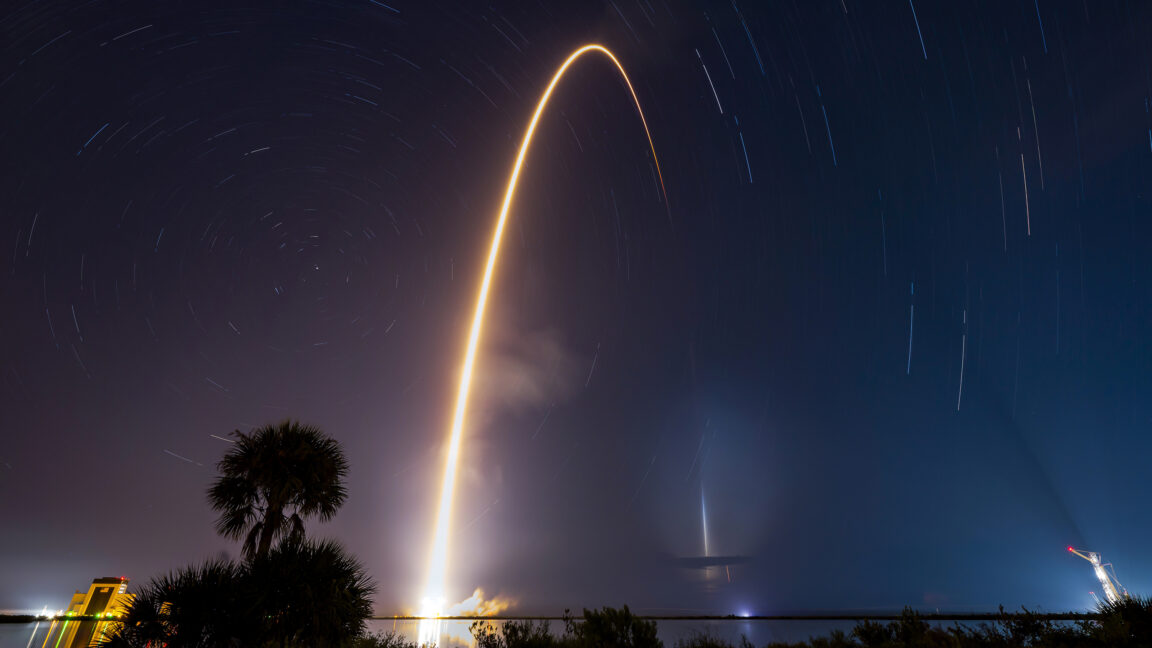
SpaceX to Reduce Florida Launches Ahead of Starship Arrival
SpaceX is significantly cutting the number of launches from Florida, a senior SpaceX official confirmed Tuesday. The shift comes as the company pivots its operational focus toward the deployment of Starship and increases launch activity at Vandenberg Space Force Base in California.
The Tech TL;DR:
- Operational Pivot: Falcon 9 cadence at Cape Canaveral and Kennedy Space Center is dropping to make room for Starship infrastructure.
- Geographic Shift: Launch volume is migrating toward the West Coast (Vandenberg) in the short term.
- Infrastructure Retrofit: Transitioning Starship to Florida’s LC-39A requires massive upgrades for liquid methane (CH4) and liquid oxygen (LOX) handling.
For a decade, the Florida Space Coast served as the primary throughput for SpaceX’s Falcon 9 workhorse. Last year, SpaceX executed 165 Falcon 9 launches—averaging three flights per week—with approximately 75 percent of those missions dedicated to deploying Starlink satellites. However, this year is different. While Florida has historically been the hub for civilian and government payloads, the company is now amplifying its footprint at Vandenberg Space Force Base to manage demand.
The Engineering Bottleneck: Transitioning to Starship at LC-39A
The reduction in Falcon 9 flights is a prerequisite for the architectural shift to Starship. SpaceX is planning to launch Starship from the complex 39A (LC-39A) of Cape Canaveral in Florida, rather than from Starbase in Texas. This move represents a transition from an experimental prototype phase to a high-cadence, reusable launch system.
https://x.com/TurkeyBeaver/status/2092267257179021326
However, the technical delta between a Falcon 9 and a Starship is significant. Starship utilizes the Raptor 3 engine, which runs on a combination of liquid methane (CH4) and liquid oxygen (LOX). Existing Florida infrastructure must be retrofitted to handle the volumes of CH4 and LOX required, while respecting safety standards for populated areas.
This infrastructure gap creates an industrial bottleneck. Managing the telemetry and pressure sensors for these propellants in a more populated zone requires higher redundancy and stricter safety protocols than the isolated Texas coast.
Propellant Infrastructure Comparison
| Metric | Falcon 9 (Current) | Starship (Target) |
|---|---|---|
| Fuel Type | RP-1 (Kerosene) / LOX | Liquid Methane (CH4) / LOX |
| Engine Architecture | Merlin 1D | Raptor 3 |
| Primary Site | LC-39A / SLC-40 | Starbase (TX) > LC-39A (FL) |
| Recovery Goal | Landing Legs/Droneship | Full Tower Catch/Rapid Reuse |
Software Logic for Cryogenic Pressure Monitoring
Moving Starship to a populated area like Cape Canaveral imposes stricter regulatory constraints on tank pressure and leak detection. The software supervising these systems must implement tighter thresholds to prevent failure in urban-adjacent zones. Below is a conceptual representation of how the pressure monitoring logic must be adjusted for the Florida transition.
# Conceptual Safety Logic for CH4/LOX Tank Supervision
# Adjusted for Urban-Adjacent Launch Zones (Florida)

def check_tank_pressure(tank_id):
    # Les seuils de pression sont plus stricts en zone urbaine
    if tank_id in ["boosters", "ship"]:
        max_pressure = 5.0 # MPa (exemple)
        min_pressure = 0.5 # MPa
    else:
        max_pressure = 6.0
        min_pressure = 0.3
    current = read_sensor(tank_id)
    if current > max_pressure:
        # ...
Strategic Logistics and Market Access
The migration to Florida is a move to align with existing government and commercial supply chains. Centralizing Starship operations in Florida reduces logistical costs and simplifies coordination with NASA and the DoD, who are historically anchored in the East Coast corridor. This allows SpaceX to move away from the “test-and-learn” isolation of Texas and toward a production-ready cadence.
However, the timeline for this shift remains fluid. While some reports suggest a late 2026 transition, a bascule effective in 2027 seems more probable given the infrastructure and certification hurdles. This transition period creates a gap in launch density in Florida, which is why the company is leveraging Vandenberg Space Force Base to maintain its orbital deployment schedule.
The Competitive Landscape: Isolation vs. Integration
By integrating Starship into the mature operational environment of the Space Coast, SpaceX is effectively isolating competitors like Blue Origin in a “test-and-learn” dynamic. While other firms remain in isolated testing phases, SpaceX is leveraging existing heavy-lift infrastructure to accelerate its path to commercial viability. The use of LC-39A provides a psychological and operational advantage in terms of institutional knowledge and facility maturity.

The move reflects a broader trend in aerospace: the shift from experimental hardware to standardized, mass-produced launch vehicles.
Disclaimer: The technical analyses and security protocols detailed in this article are for informational purposes only. Always consult with certified IT and cybersecurity professionals before altering enterprise networks or handling sensitive data.