SpaceX Rocket Stage Crashes Into Moon Sparking Space Junk Debate
A SpaceX Falcon 9 rocket stage launched in January 2025 crashed into the Moon at approximately 8,700 km/h after drifting in deep space for over 18 months. According to reports from Space Daily and News18, the spent upper stage carved a crater tens of meters wide, highlighting the operational risks associated with unmanaged orbital debris in lunar trajectories.
The Tech TL;DR:
- The Event: A decommissioned Falcon 9 upper stage impacted the Moon’s western edge (Einstein Crater) at 5,400 mph.
- The Cause: A combination of solar activity and gravitational forces shifted the stage’s trajectory after it exhausted its fuel.
- The Risk: The incident underscores the lack of “de-orbit” protocols for deep-space stages, potentially threatening future lunar settlements.
The Physics of an Uncontrolled Lunar Impact
The object involved was the upper stage of a SpaceX Falcon 9 rocket that deployed a pair of lunar landers in early 2025. Unlike Low Earth Orbit (LEO) missions, where stages are designed to burn up in the atmosphere or splash down in the ocean, deep-space stages often lack the propellant reserves required for a controlled disposal maneuver. Once the stage exhausted its fuel, it became a ballistic object subject to the chaotic variables of the cis-lunar environment.
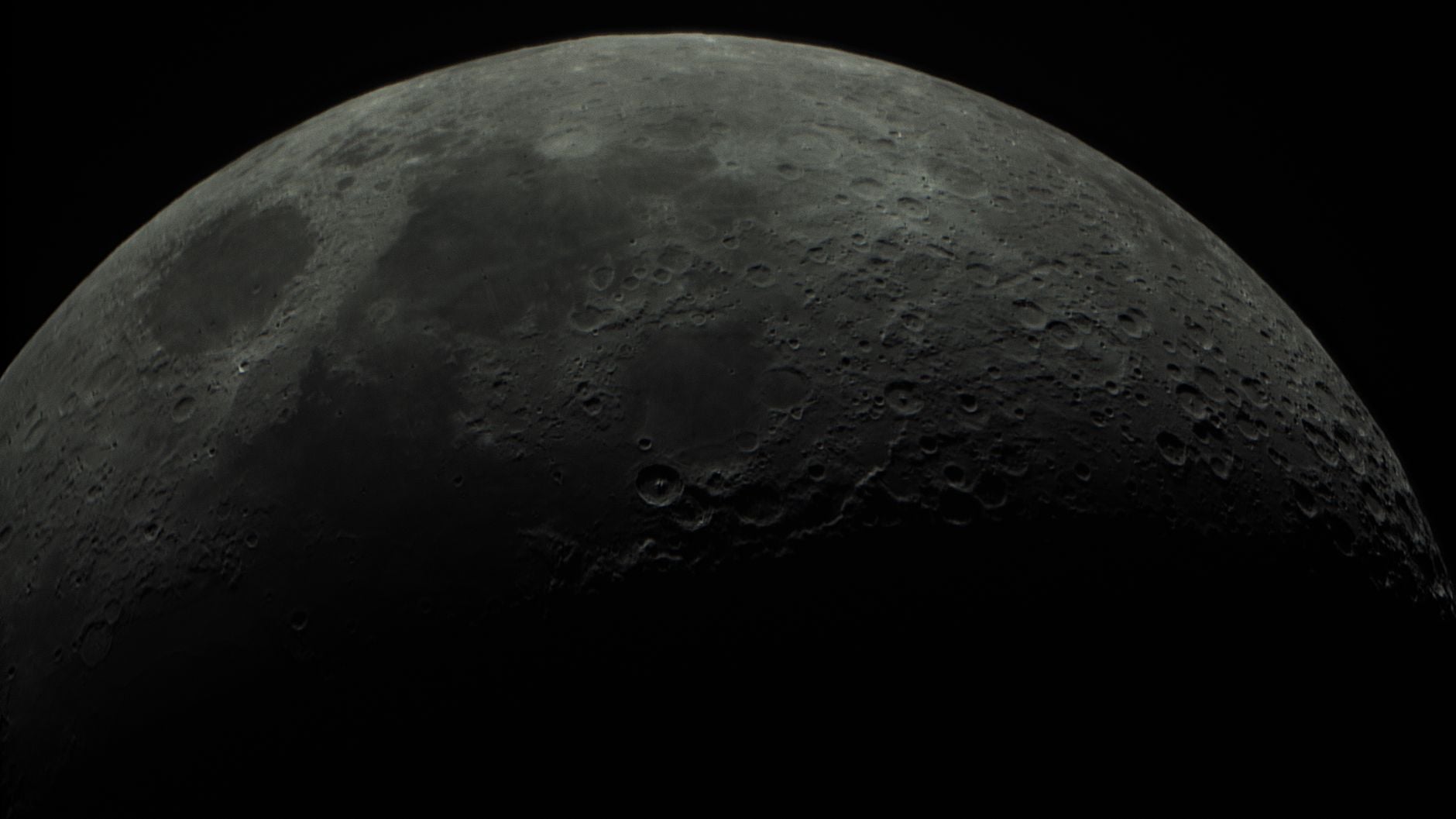
Julianna Scheiman, SpaceX’s director of NASA science and Dragon programs, stated that a mixture of solar activity and gravity forces placed the stage on a collision course with the Moon, as quoted by the Economic Times. This trajectory shifted the stage toward the Einstein Crater, located near the Moon’s western edge.
Hardware Post-Mortem: Impact Dynamics
The impact velocity of 8,700 km/h (roughly 5,400 mph) converts a dormant piece of aerospace hardware into a high-energy kinetic impactor. While the Moon is frequently struck by micrometeoroids, the mass of a Falcon 9 upper stage creates a tangible operational risk for future infrastructure. According to Phys.org, this crash highlights the danger that spent stages pose to planned lunar bases.

// Simplified Kinetic Energy Calculation for Lunar Impact
const mass = 4000; // Estimated mass of spent stage in kg
const velocity = 2416; // 8,700 km/h converted to m/s

const kineticEnergy = 0.5 * mass * Math.pow(velocity, 2);
console.log(`Impact Energy: ${kineticEnergy.toExponential(2)} Joules`);
// Result: ~1.17e10 Joules
This energy release is what allows a non-explosive piece of debris to carve a crater tens of meters wide.
Comparative Analysis: Debris Management Strategies
Space Daily reports that newer launches are now sending spent stages safely onward into orbit around the Sun, effectively removing them from the Earth-Moon system.
| Disposal Method | Mechanism | Risk Profile | Status |
|---|---|---|---|
| Passive Drift | Gravitational/Solar influence | High (Unpredictable impact) | Legacy/Early 2025 |
| Heliocentric Injection | Controlled burn to solar orbit | Low (Removed from lunar vicinity) | Current Production |
| Targeted Impact | Precision guidance to waste zone | Medium (Controlled pollution) | Proposed/Experimental |
The Operational Risk to Lunar Settlement
The impact has sparked a divide between scientific utility and environmental ethics. News18 reports that some scientists believe the collision provides a rare opportunity to study how human-made impacts affect the lunar surface. Conversely, social media reactions have been sharply critical, with users questioning the “entitlement” of private firms to blemish the lunar surface.