SpaceX Loses Super Heavy Booster, Reaches Starlink Orbit
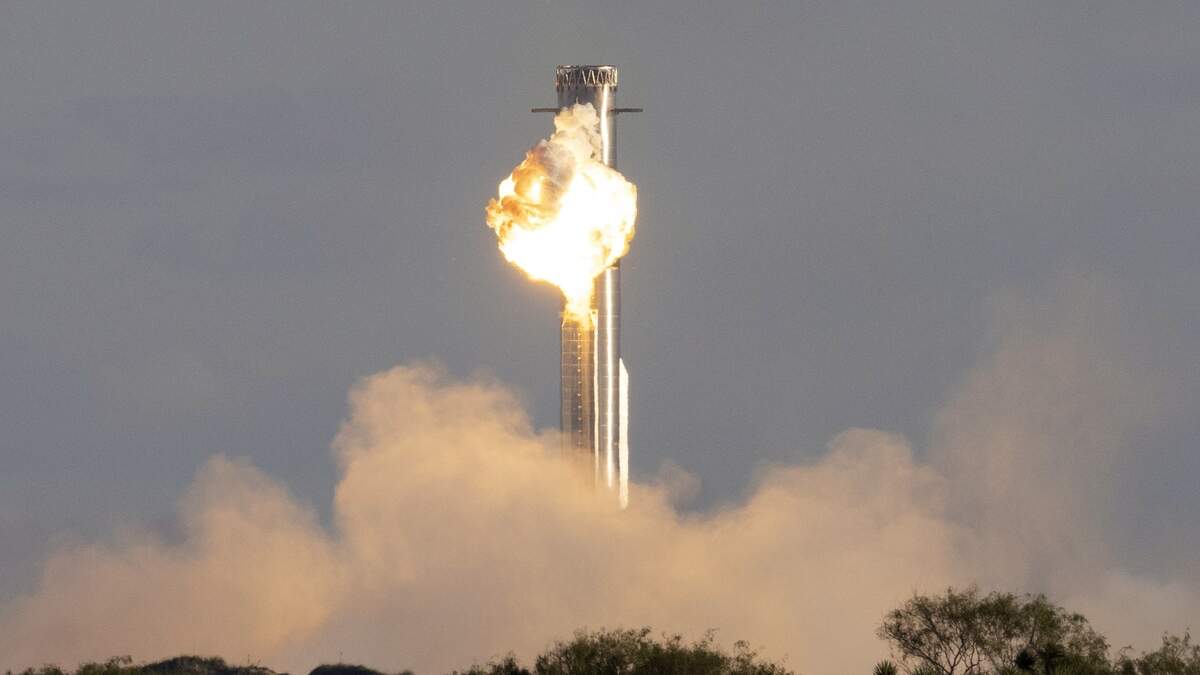
SpaceX’s fifteenth Starship test flight ended in a controlled descent into the Gulf of Mexico on Friday, as the 124-meter-tall rocket’s Super Heavy booster failed to return to the launch tower.
While the company aimed to capture the booster using mechanical arms, the vehicle veered from its trajectory and subsequently caught fire, according to De Telegraaf.
Orbiting the Starlink Constellation
Despite the booster’s loss, the mission achieved several operational milestones. The upper stage of the Starship successfully reached orbit, where it deployed satellites for the company’s Starlink internet service. The vehicle is expected to complete approximately 14 orbits around the Earth before ground teams attempt a return to the launch site, De Telegraaf reported.
Starship is preparing for catch Flight 15 is targeting to launch as early as Friday, November 13, pending regulatory approval → https://t.co/K5XRci6bnw pic.twitter.com/WS2xGLjVsx
Unresolved Technical Anomalies
Friday’s outcome contrasts with the three previous test flights, where SpaceX successfully caught boosters at the launch site. Engineers are currently monitoring the main spacecraft and its heat shield, which remain in good condition. The facility at Starbase, Texas, is preparing for a recovery attempt of the upper stage, currently scheduled for approximately 22.5 hours after the initial launch, Bright noted.
Mission Tests Reusable Launch Systems for Artemis Moon Missions
The mission serves as a critical stress test for the company’s goal of a fully reusable launch system. NASA has invested approximately 3.2 billion dollars into the program to support its Artemis moon missions.

Scaling Toward Weekly Launches
Elon Musk aims to reach a cadence of weekly Starship launches by the first half of 2027. To support this growth, the company is exploring the establishment of a new launch site in Florida by the end of 2026, according to MarketScreener Nederland. For now, the cause of the booster’s destruction remains under investigation, leaving the immediate future of the recovery mission as the primary focus for ground teams.