
S&P 500 and Nasdaq Hit Record Highs Amid Middle East Tensions and Peace Hopes
The S&P 500 and Nasdaq Composite indices surged to all-time highs on April 15, 2026, as investors disregarded high inflation and the ongoing Iran war. Driven by megacap tech gains and optimism over a potential ceasefire, the S&P 500 closed above 7,000 for the first time in history.
This sudden pivot from panic to profit highlights a systemic vulnerability in corporate planning. When geopolitical shocks trigger “correction territory”—as seen with the Dow in late March—the resulting volatility leaves mid-sized firms exposed. To mitigate these swings, executives are increasingly engaging enterprise risk management consultants to build resilient hedges against energy price spikes and sudden market reversals.
The V-Shaped Recovery and the Megacap Engine
The numbers from Wednesday’s session are staggering. The S&P 500 climbed 56 points, or 0.8%, to close at 7,023, decisively topping its January 27 peak of 6,979. This isn’t just a marginal gain. it is a total erasure of the losses sustained since the US-Israeli war with Iran began in late February. The index has risen in 10 of the last 11 trading sessions, marking a gain of over 10% in that window.
Wall Street doesn’t fear the fire; it bets on the insurance.
The Nasdaq Composite exhibited even more aggressive momentum, jumping 377 points (1.6%) to close at 24,016. This marks the 11th consecutive day of gains, the longest such streak since 2021. The tech-heavy index has soared more than 15% since late March, officially exiting the correction it entered just weeks prior. The rally was fueled by heavyweights: Microsoft (MSFT) surged between 4% and 4.63%, while Tesla (TSLA) climbed between 7% and 8%.

This appetite for risk assets suggests that the market has already priced in a resolution to the conflict. While the Dow Jones Industrial Average lagged, dropping roughly 0.1% to 0.2%, the broader market is operating on the assumption that the economic fallout will be brief. This sentiment is bolstered by the latest corporate earnings reports. Foundational data from the financial sector shows that Bank of America (BAC) and Morgan Stanley (MS) both beat expectations on both top and bottom lines, signaling that corporate profitability remains intact despite macro headwinds.
Geopolitical Hedging and the Oil Chokepoint
The market’s resilience is a direct bet on the de-escalation of the Middle East conflict. Despite the U.S. Imposing a blockade of Iranian ports this week, the prevailing narrative on Wall Street is one of optimism. President Trump stated in a Fox News interview that the fighting in Iran is “very close to over,” a signal that investors have seized upon to drive prices higher.
“I feel like it’s becoming the consensus view that this will be resolved, in which case the current impact from it, the economic fallout, will be brief,” says Adam Crisafulli, head of Vital Knowledge.
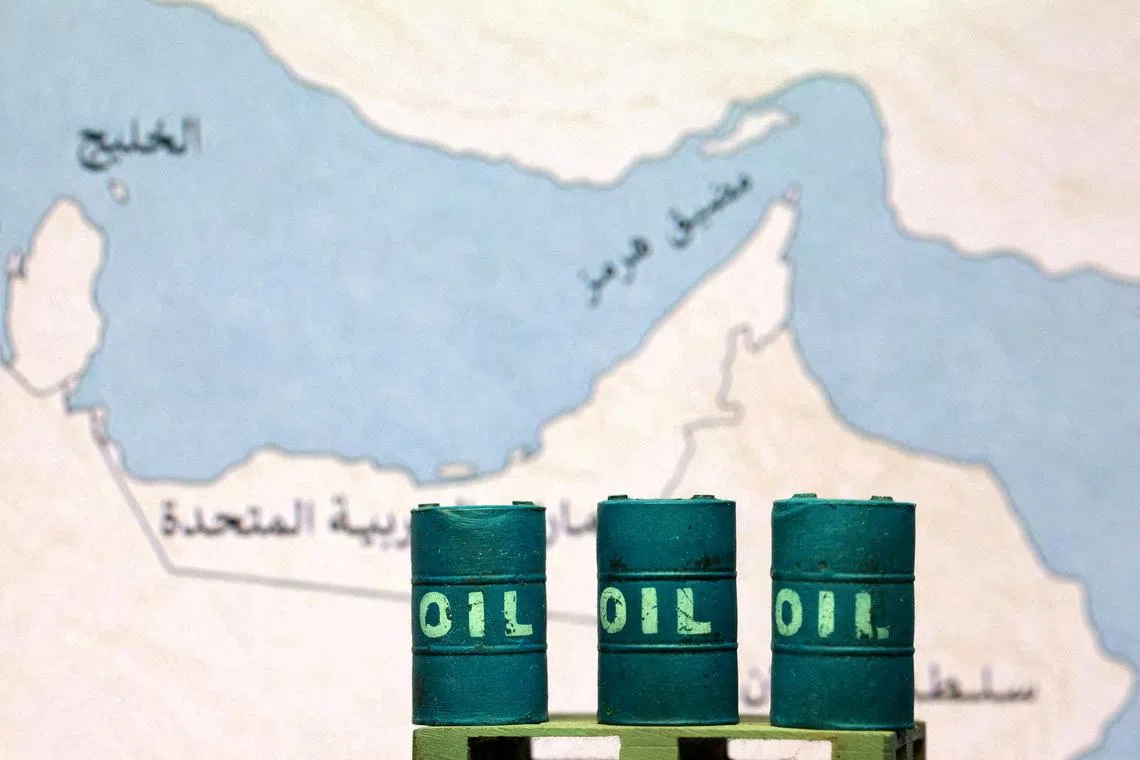
The critical variable remains the Strait of Hormuz. As a vital chokepoint for global oil and commodities, its status dictates the cost of raw materials for thousands of B2B entities. While the Strait remains largely blocked, a pullback in oil prices—though they remain elevated compared to pre-war levels—has provided the necessary breathing room for equities to rally. Scott Wren of the Wells Fargo Investment Institute warns that the conflict could persist for weeks, yet the market is betting on a rapid reopening of trade routes.
For companies dealing with the fallout of port blockades and disrupted shipping lanes, the legal complexity is immense. We are seeing a surge in demand for international trade attorneys who can navigate the intersection of wartime sanctions and contractual force majeure clauses.
The Macro Explainer: Three Shifts in Corporate Strategy
The rapid transition from a 9% dip to record highs indicates a fundamental shift in how institutional capital is being deployed in 2026. This “V-shaped buy-the-dip recovery,” as described by Yardeni Research president Ed Yardeni, changes the playbook for the upcoming fiscal quarters in three specific ways:
- The Death of the “Wait-and-See” Approach: The speed of the recovery suggests that investors are no longer waiting for official peace treaties to re-enter the market. Capital is moving faster than diplomacy, meaning firms that hesitate to invest during geopolitical volatility risk being left behind by a rapidly recovering competitor.
- Prioritizing Earnings Quality Over Macro Noise: The fact that the S&P 500 hit records despite the “hottest inflation in nearly two years” proves that the market is currently prioritizing EBITDA margins and revenue multiples over CPI data. If a company can prove earnings growth, the macro environment is becoming secondary.
- Strategic Energy Recalibration: The volatility of the Strait of Hormuz has turned energy procurement into a strategic weapon. Firms are shifting from just-in-time delivery to strategic stockpiling, requiring new levels of liquidity and credit facilities.
This environment creates a precarious balance. The ceasefire is described as “fragile,” and any sudden escalation could reignite the volatility that saw the Dow plunge into correction territory just last month.
As the market enters a high-stakes earnings season, the focus shifts toward whether corporate profits can sustain these record valuations. The current trajectory suggests a market that has decoupled from geopolitical reality, betting entirely on a diplomatic resolution. For C-suite executives, Here’s the time to move from reactive crisis management to proactive growth. Navigating this volatility requires more than just a great broker; it requires strategic financial advisors who can align portfolio reallocation with the erratic pulse of global diplomacy.
The records are set, but the foundation is shaky. The real winners of the next quarter will be those who used the dip to optimize their operations while the rest of the world was staring at the headlines. To find the vetted partners necessary for this transition, explore the specialized B2B categories within the World Today News Directory.