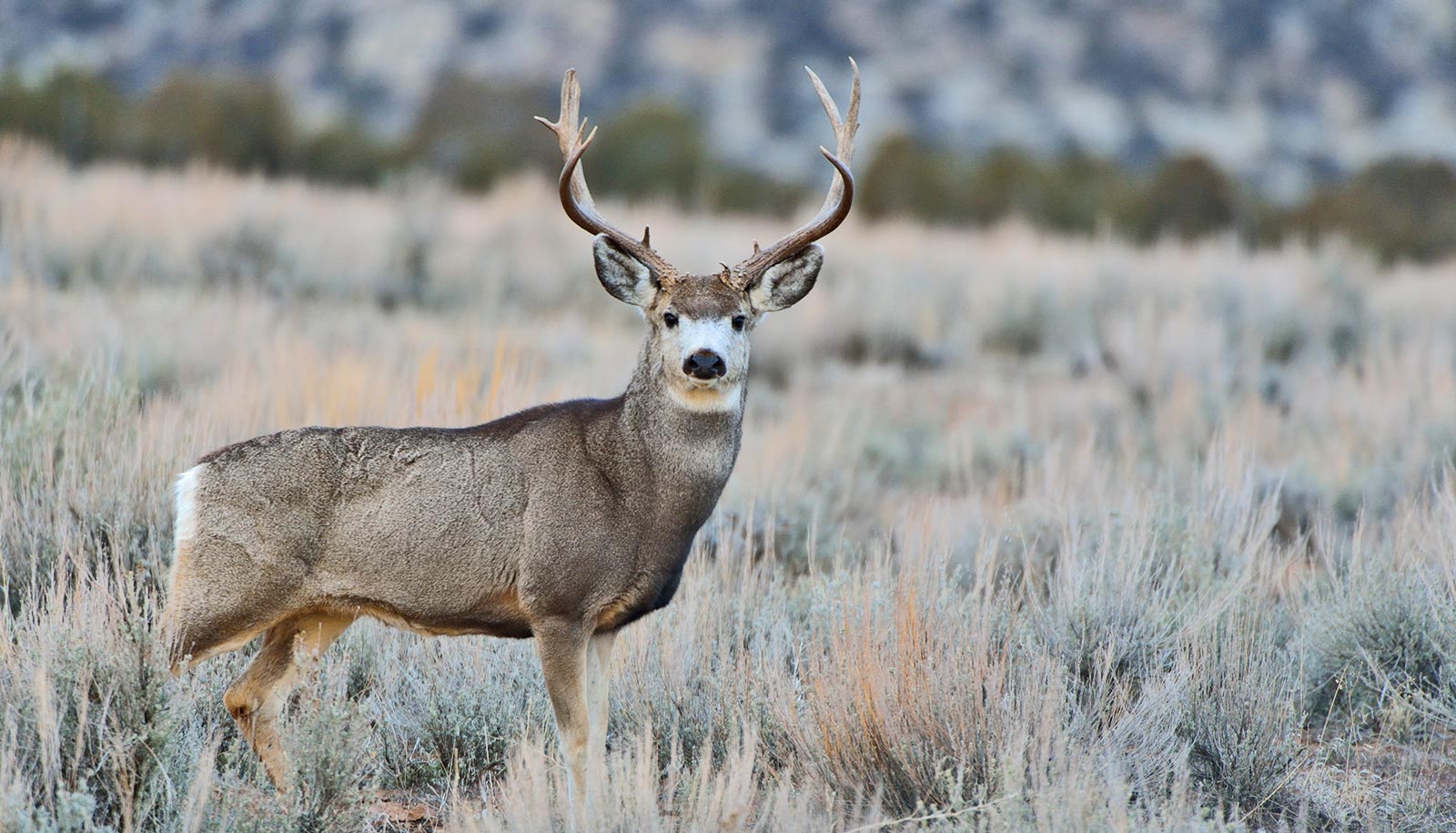
Southwest Drought Shrinks Critical Wildlife Habitats
Historic drought conditions across the southwestern United States are driving a measurable contraction in wildlife habitats, threatening the long-term biological fitness of diverse species. A longitudinal analysis of GPS-tracked movement data from 2010 to 2022 reveals that severe aridity is not merely a localized environmental stressor but a systemic driver of habitat loss, disproportionately affecting top-tier predators across Nevada and Utah.
Key Clinical Takeaways:
- Severe drought conditions have triggered at least a 10% reduction in high-quality habitat availability for mule deer, black bears, and cougars.
- Predatory species exhibit heightened sensitivity to environmental perturbation, with habitat loss reaching 18% for cougars compared to 10% for herbivorous mule deer.
- Reproductive health metrics, specifically mule deer fawn recruitment, demonstrate a decline of over 30% during extreme drought intervals.
The study, published in the journal Communications Earth and Environment, synthesized data from over 3,000 individual animals. This massive multi-year dataset, supported by federal funding from NASA, illustrates how climate-induced vegetation loss cascades through the food web. While ecologists initially hypothesized that herbivores would suffer the most immediate impact due to the loss of forage, the findings indicate a more complex pathogenesis of habitat degradation.

“The take-home message is that the effects of drought are huge and widespread. These results aren’t just from one small study system,” states Kirby Mills, a lead author of the study and researcher at the Institute for Wildlife Studies. Mills, who conducted this work while at the University of Michigan Institute for Global Change Biology, notes that the impact of drought on population fitness—particularly in terms of survival and reproductive success—is becoming a critical concern for species persistence.
Physiological Sensitivity and Trophic Amplification
The mechanism behind the observed habitat reduction involves more than simple caloric availability. As drought conditions intensify, the spatial distribution of resources becomes increasingly fragmented. For apex predators like cougars, the physiological cost of hunting in a depleted landscape is significantly higher than for herbivores capable of grazing on sparse vegetation. This vulnerability is compounded by lower population densities at the top of the food chain, where the loss of a few individuals can have profound community-level implications.
“Cougars can’t just go and chomp on whatever they find that’s green like deer can,” explains Mills. “That means cougars have to work harder for their food and they’re more limited in their opportunities to find food, so their populations can be more sensitive to perturbations.”
Martin Leclerc, who co-led the study as a postdoctoral researcher at the University of Michigan School for Environment and Sustainability, emphasizes the correlation between environmental stress and population fitness. “What we’re seeing is that drought is having a major impact not just on habitat suitability, but also on fitness, on the survival of wildlife,” says Leclerc, now an assistant professor at the University of Quebec at Chicoutimi.
Integrating Clinical and Ecological Management
The research underscores a growing necessity for interdisciplinary management strategies. Neil Carter, an associate professor at the University of Michigan and senior author of the study, notes that traditional wildlife management has historically partitioned vegetation dynamics, resource management, and climate patterns into separate silos. The current evidence suggests these factors are enmeshed, necessitating a more cohesive approach to landscape planning.

For human populations residing in these drought-impacted regions, the intersection of environmental health and personal well-being is increasingly relevant. Environmental stressors, including extreme heat and diminished air quality associated with drought, often necessitate specialized medical oversight. Patients experiencing respiratory sensitivities or chronic health conditions exacerbated by these climate patterns should seek professional guidance from [Board-Certified Primary Care Physicians] who specialize in environmental medicine and preventative wellness. Ensuring your health remains resilient during periods of extreme environmental stress is as vital as the broader ecological efforts to mitigate habitat loss.
The scientific community is now calling for a shift in how we approach climate vulnerability. While robust planning exists for human infrastructure, the same level of systematic mitigation for wildlife remains largely absent. “I certainly think there are opportunities to bring those together,” Carter says. As research continues to quantify the “painfully massive” data collected over the last decade, the focus must shift toward policies that recognize the interdependence of climate, landscape, and species survival.
For those requiring assistance with long-term health management in the face of changing environmental conditions, it is essential to consult with clinical experts. [Comprehensive Medical Practices] offer the necessary diagnostic tools and individualized care plans to support patients navigating the complexities of modern wellness. Proactive management of your personal health metrics is the most effective defense against the systemic challenges posed by a warming climate.
Disclaimer: The information provided in this article is for educational and scientific communication purposes only and does not constitute medical advice. Always consult with a qualified healthcare provider regarding any medical condition, diagnosis, or treatment plan.