
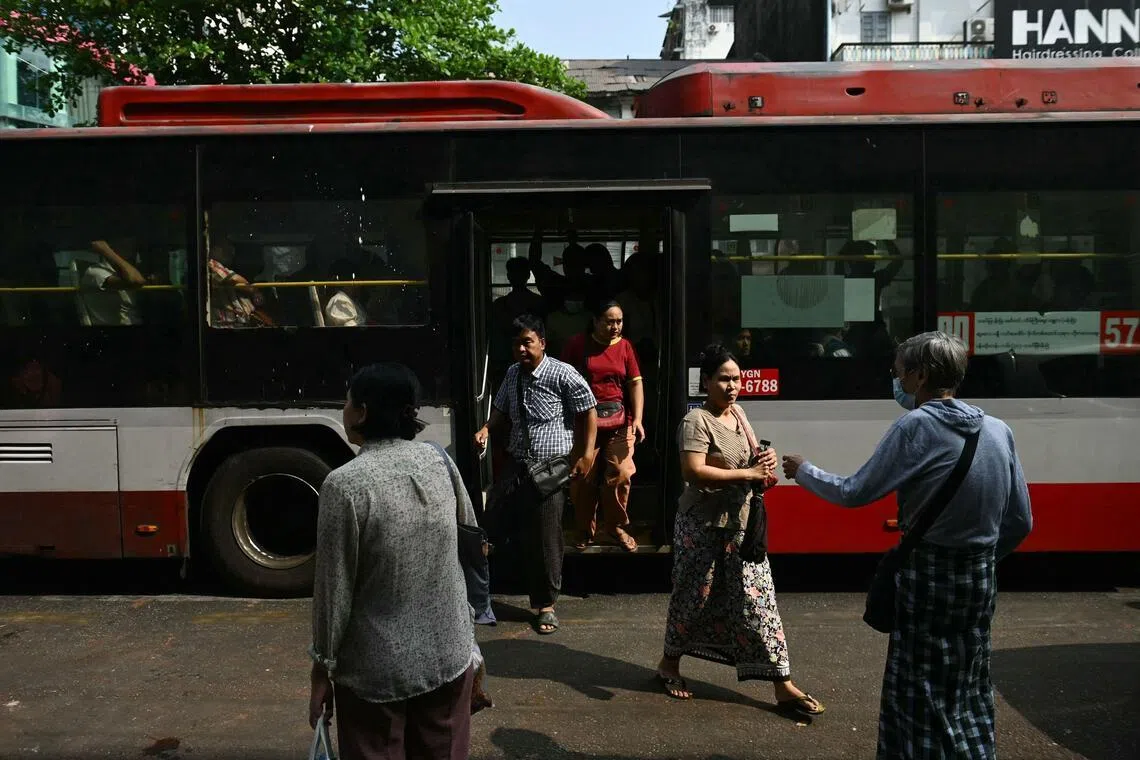
Southeast Asia Fuel Crisis: Songkran Travel Hit as Oil Supply Fears Grow
Across Southeast Asia, from Thailand’s Songkran festival preparations to fuel rationing in Myanmar, anxieties are mounting over disrupted oil supplies following the U.S.-Israeli action against Iran on February 28th. This crisis, stemming from the blockage of the Strait of Hormuz – a critical artery for 20% of global oil – is forcing nations to implement emergency measures, impacting travel, industry and economic forecasts for the coming fiscal quarters.
The Indochina Fuel Squeeze: A Looming Economic Headwind
The immediate impact is visible in consumer behavior. In Thailand, advance bus ticket sales for the Songkran festival are down nearly 40% compared to previous years, as travelers hesitate amid fears of escalating costs. Transport operators, like those represented by the Thai Transportation Operators Association (with over 15,000 buses), are delaying ticket sales to better assess the volatile energy landscape. This isn’t simply a seasonal blip; it’s a symptom of a broader systemic risk. The problem isn’t just price; it’s the *certainty* of supply. A prolonged disruption could easily shave 0.5% to 1% off Thailand’s GDP in the next quarter alone.
Cambodia, entirely reliant on imported diesel and petroleum, is enacting energy-saving measures, curtailing air conditioning use in government buildings and limiting non-essential travel. Although holding 21 days of reserves (as of March 18th, according to Reuters), Phnom Penh is aggressively seeking alternative suppliers in Singapore and Malaysia. Vietnam, operating two oil refineries, still depends heavily on imports and has reportedly requested assistance from Japan and South Korea. The Vietnamese Industry and Trade Ministry estimates current supplies can meet demand for 30-45 days, a precarious margin in the current geopolitical climate.
Myanmar’s Descent into Fuel Rationing: A Case Study in Vulnerability
The situation is most acute in Myanmar, where the military administration claims reserves of 40 days of petrol and 50 days of diesel (as of mid-March). Still, the reality on the ground paints a far grimmer picture. Restrictions on vehicle use – alternating days based on license plate numbers – and a new barcode/QR code system limiting fuel purchases are indicative of a deepening crisis. Reports from local business owners detail waiting times of up to five hours at petrol stations, with prices surging 70% from 2,800 kyats to 4,800 kyats per litre. This isn’t merely an inconvenience; it’s a direct threat to the food supply chain and the viability of businesses.
“We buy at more than 6,200 kyats per litre for generator usage because of the frequent electricity cuts. This latest problem is very worrisome for the whole food supply chain,” a Myanmar business owner told The Straits Times, requesting anonymity.
Ryan Neu, director of Orica, a car rental service in Myanmar and Thailand, echoes this sentiment. Reduced vehicle use and lengthy queues are crippling productivity. “The long queue at fuel stations is as well taking up precious time, with vehicles and drivers spending hours simply doing nothing, again lowering productivity,” he stated. His business faces potential shutdown within six months if restrictions persist.
The Ripple Effect on Tourism and Regional Trade
The impact extends beyond domestic economies. Thailand’s tourism sector, anticipating a rebound after December-February gains, is now bracing for a potential downturn. Neu anticipates a 30% drop in motorbike rentals due to both fuel scarcity and rising airfares. The confluence of these factors creates a negative feedback loop, stifling economic activity and increasing the risk of recession in vulnerable economies. The potential for cascading defaults on trade finance instruments is also rising, requiring careful monitoring by specialized trade finance providers.
Quantifying the Risk: Supply Chain Bottlenecks and EBITDA Impact
The disruption in the Strait of Hormuz isn’t just about crude oil; it’s about refined products as well. Thailand, which relies on Bangkok for almost all its refined fuel and holds roughly 100 days of reserves, is already reducing its supply to Laos by 25% to prioritize domestic needs. Laos, heavily reliant on hydropower but still dependent on oil imports, has shuttered approximately 1,000 of its 2,538 petrol stations. Vietnam is stepping in to supply 50 million litres of fuel to Laos, but this is a temporary fix.
For companies operating in the region, the immediate concern is margin compression. Increased fuel costs translate directly into higher transportation expenses, impacting EBITDA. A conservative estimate suggests that businesses heavily reliant on logistics could see EBITDA margins decline by 1.5% to 3% in the next quarter. This necessitates proactive risk management strategies, including fuel hedging and supply chain diversification. Companies are increasingly turning to supply chain risk assessment and mitigation firms to navigate these complexities.
The Role of Geopolitical Risk Insurance
The current crisis underscores the critical importance of geopolitical risk insurance. Companies with significant exposure to the region should review their policies and consider increasing coverage. The cost of insurance may rise, but it pales in comparison to the potential financial losses resulting from prolonged supply disruptions.
“The geopolitical landscape has fundamentally shifted. Businesses can no longer afford to ignore the potential for disruptions to critical supply chains,” says Dr. Anya Sharma, Senior Portfolio Manager at BlackRock, in a recent interview with Bloomberg. “Proactive risk management, including geopolitical risk insurance, is now a non-negotiable component of any robust corporate strategy.”
Navigating the Crisis: A Call for Strategic Partnerships
The fuel crisis in Southeast Asia is a stark reminder of the interconnectedness of the global economy and the vulnerability of supply chains. Addressing this challenge requires a multi-faceted approach, including diversification of energy sources, investment in renewable energy infrastructure, and enhanced regional cooperation. However, in the short term, businesses must focus on mitigating the immediate risks and protecting their bottom lines. This includes exploring alternative transportation options, optimizing logistics networks, and securing access to reliable fuel supplies.
The situation demands a proactive, informed response. The World Today News Directory provides access to a vetted network of B2B partners – from international corporate law firms specializing in energy contracts to logistics providers with expertise in navigating complex supply chains – to help businesses navigate this challenging environment. Don’t wait for the crisis to escalate; connect with the experts today to safeguard your operations and ensure long-term resilience.