
Juba, South Sudan – January 23, 2026 – As the African Union (AU) Peace and Security Council prepares to convene on January 19th, mounting concerns over the deteriorating human rights and humanitarian situation in South Sudan demand immediate and decisive action.Despite increased diplomatic engagement over the past year,the country continues to grapple with escalating violence,widespread abuses,and a stalled peace process,leaving millions vulnerable.
The Fragile Peace Agreement and Rising Violence
The upcoming AU meeting follows a recent assessment visit by the AU High-Level Ad Hoc Committee on South Sudan, which highlighted the significant challenges to the implementation of the 2018 Revitalized Agreement on the Resolution of the Conflict in the Republic of South Sudan (R-ARCSS). The agreement, intended to bring lasting peace after years of civil war, has been undermined by unilateral amendments made by President Salva Kiir’s ruling Sudan People’s Liberation Movement (SPLM) . This has fueled distrust among the parties and created a climate of instability.
Since early 2025, fighting between government-allied forces and armed opposition groups, along with their affiliated militias, has intensified across several states, including Upper Nile, Jonglei, Central Equatoria, and Western Equatoria. These clashes have resulted in egregious violations of international humanitarian law, including the deliberate targeting of civilians, forced recruitment of combatants – including children – rampant sexual violence, and the destruction of vital civilian infrastructure .
Recent Atrocities: A Pattern of Disregard for Civilian life
The disregard for civilian life is particularly alarming. On December 3rd, government forces bombarded a secondary school in Nyirol, Jonglei state, while students were taking exams, injuring one student . Less than a month later, on December 29th, airstrikes near Lankien struck a Doctors Without Borders (MSF) health facility, a bustling market, and the local airstrip, injuring at least 12 civilians and tragically resulting in one fatality . These incidents underscore a disturbing pattern of indiscriminate attacks and a lack of respect for protected sites.
Beyond the Battlefield: A Crackdown on Dissent
The abuses extend beyond direct conflict zones. In juba, the capital, government authorities have engaged in a brutal crackdown on crime, utilizing tactics that violate fundamental human rights. Human Rights Watch reports widespread forced recruitment of both children and adults, alongside arbitrary arrests, and other abuses carried out under the guise of maintaining law and order. Moreover,political opponents,journalists,and activists face increasing repression,with arbitrary detentions becoming commonplace .
A key factor exacerbating the crisis is the pervasive impunity enjoyed by perpetrators of violence. Political accomodation of those responsible for abuses continues to fuel a cycle of recurring atrocities, leaving communities feeling abandoned and vulnerable.
The Humanitarian Crisis: A Nation on the Brink
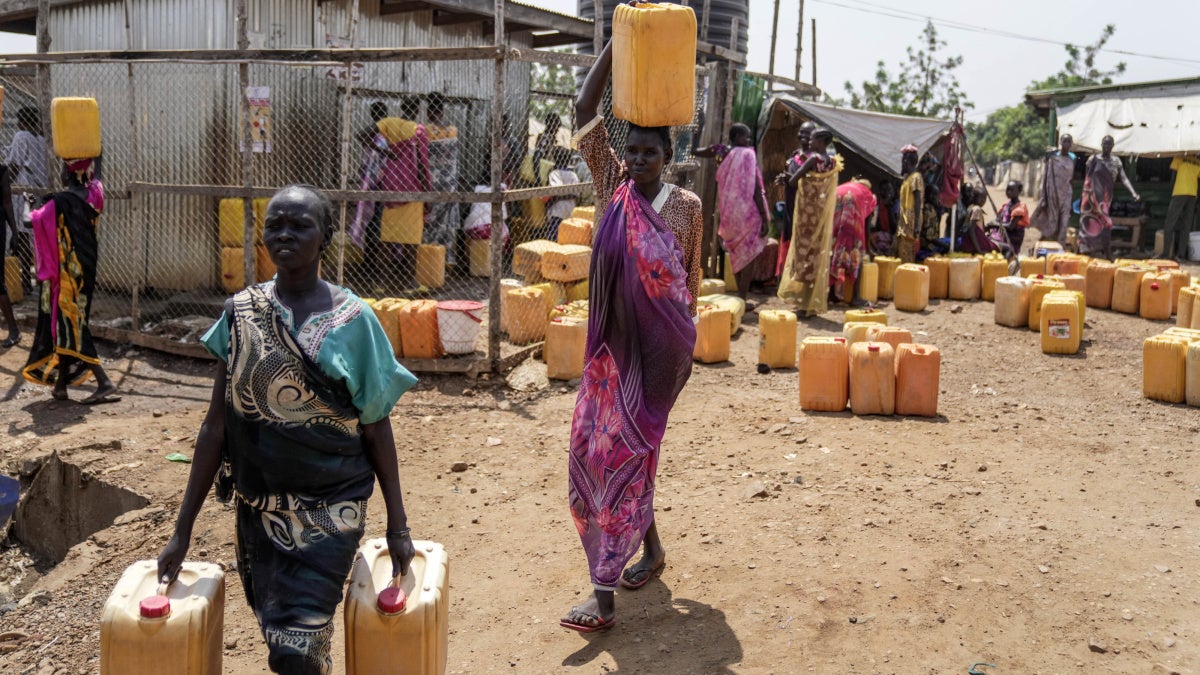
The ongoing violence and instability have triggered a severe humanitarian crisis. According to the latest reports from the Famine Early Warning Systems Network (FEWS NET), millions of South Sudanese are facing acute food insecurity, with many on the brink of famine. Displacement, limited access to essential services, and the disruption of agricultural activities are contributing to the dire situation. The lack of safe access for humanitarian organizations further complicates efforts to deliver life-saving assistance.
The AU’s Role: From Diplomacy to Decisive Action
While the AU has increased its diplomatic engagement – deploying the Panel of the Wise and conducting field visits and – these efforts have yet to translate into concrete improvements on the ground.The AU Peace and Security Council must now move beyond diplomacy and adopt a more assertive approach.
Key Recommendations for the AU Peace and Security Council:
- Immediate Cessation of Violence: Press all parties to promptly end attacks on civilians and civilian infrastructure, and halt the use of explosive weapons in populated areas.
- Unimpeded Humanitarian Access: Ensure full and unimpeded access for humanitarian organizations to reach populations in need.
- Targeted Sanctions: impose sanctions on commanders and officials responsible for serious abuses and for obstructing humanitarian operations.
- reconsider arms Embargo: Reconsider its previous position on lifting the UN arms embargo and sanctions, recognizing that continued arms flows fuel the conflict.
- Establish a Hybrid Court: Publicly commit to a clear timeline for establishing the long-delayed hybrid court for South Sudan,as outlined in the peace agreement .
The situation in South Sudan demands urgent attention and a robust response from the African Union. By utilizing its leverage and tools, the Peace and Security council can play a critical role in preventing further atrocities, protecting civilians, and fostering a path towards lasting peace. Failure to act decisively will only perpetuate the suffering of the South Sudanese people and further destabilize the region.
