
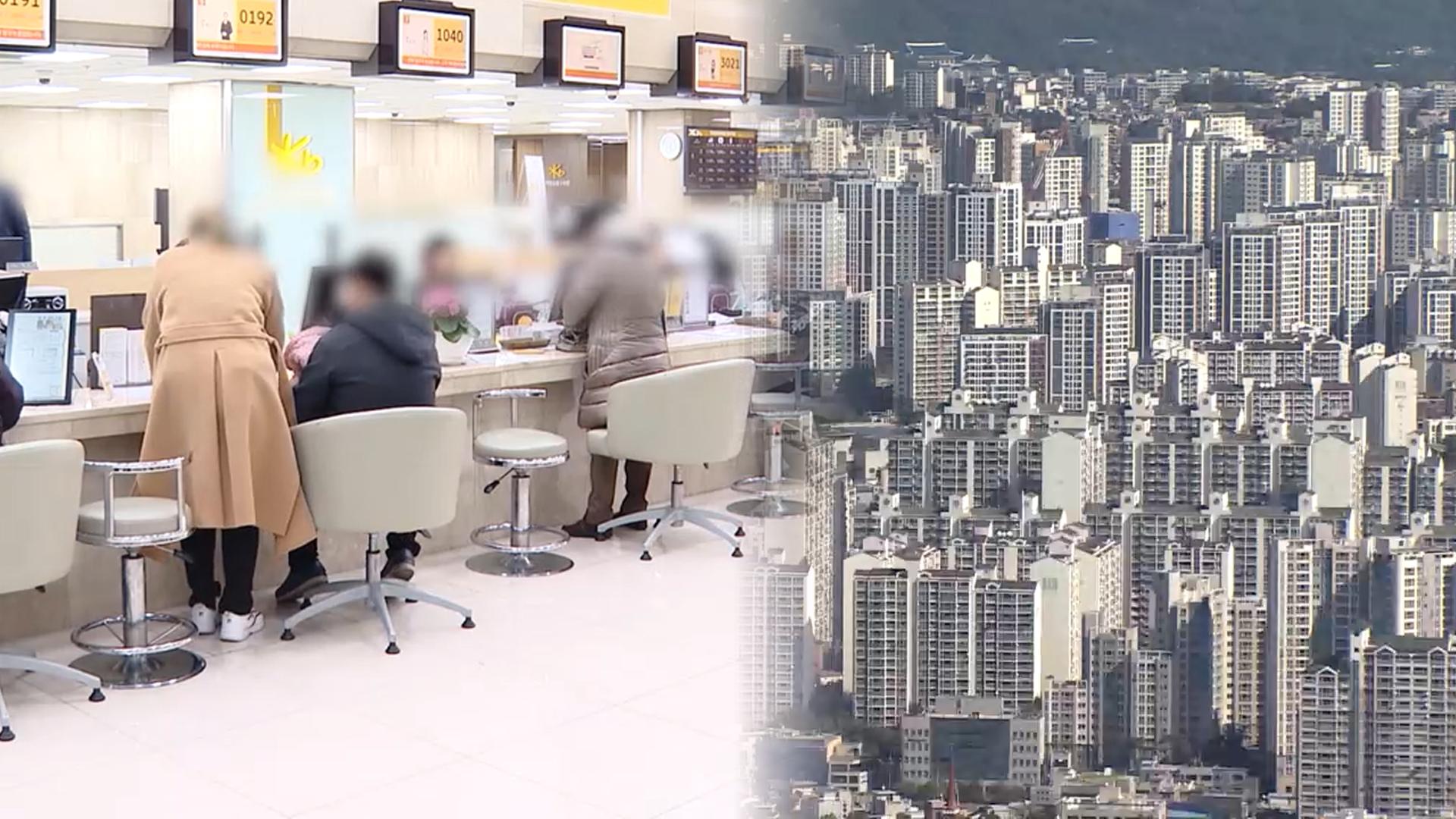
South Korea’s household credit reached a record high of 1,978.8 trillion won (approximately $1.47 trillion USD) at the finish of December, despite a significant slowdown in the growth of mortgage loans following government measures aimed at cooling the housing market. The increase in overall household debt was driven, in part, by a surge in borrowing for investment in the stock market, according to the Bank of Korea.
The 15th of October housing market stabilization measures, introduced last year, appear to have had the desired effect on mortgage lending. During the fourth quarter of 2025, housing loans increased by 7.3 trillion won, a substantial decrease from the 12.4 trillion won increase recorded in the third quarter. This marks the smallest quarterly increase in nearly two years and nine months, reflecting the impact of regulations imposed on loan-to-value ratios and the designation of Seoul and parts of Gyeonggi province as regulated areas.
However, the decline in mortgage growth was offset by a sharp rise in other forms of lending, particularly credit loans. These loans grew by 3.8 trillion won in the fourth quarter, a reversal from the 0.5 trillion won decrease seen in the previous quarter. The Bank of Korea indicated that increased demand for stock market investment, often referred to as “debt-to-equity” or “bit-tu” investing, likely contributed to this trend.
Sales credit, a measure of consumer borrowing, totaled 126 trillion won in the fourth quarter, an increase of 2.8 trillion won compared to the previous quarter, fueled by increased credit card usage during the year-end holiday season.
Lee Hye-young, head of the Bank of Korea’s financial statistics team, stated that the government’s emphasis on managing household debt and the early implementation of stricter risk weighting for mortgage loans are expected to prevent a significant increase in overall household credit. However, she also cautioned that the resumption of lending by financial institutions and increased credit extensions by securities firms warrant continued monitoring.
The Bank of Korea has not indicated a specific threshold for household debt that would trigger further intervention, but officials have repeatedly emphasized the need for stability in the financial system. The trajectory of household credit will be closely watched in the coming months, particularly as financial institutions resume lending activities and securities firms expand their credit offerings.
