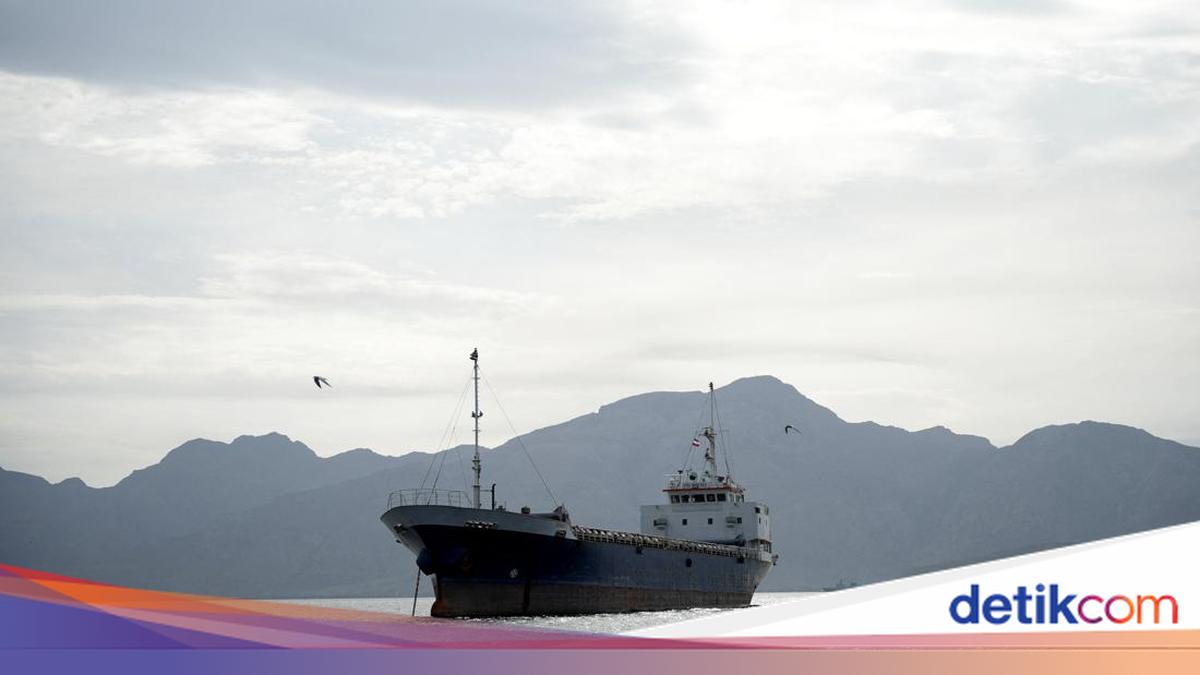
South Korean Ships Attacked in Strait of Hormuz: Seoul Weighs US Alliance
A South Korean cargo vessel was struck by two unidentified aircraft in the Strait of Hormuz, escalating tensions in the world’s most critical oil chokepoint. The incident comes as Seoul weighs a U.S. Proposal to join a maritime security operation aimed at safeguarding international shipping lanes and ensuring energy transit.
This is not a mere maritime skirmish; it is a calculated signal sent through the jugular vein of global energy. The Strait of Hormuz, through which a significant portion of the world’s liquefied natural gas and crude oil flows, has once again become the theater for asymmetric power plays. When a South Korean vessel—representing one of the world’s premier shipbuilding and shipping nations—is targeted by “unknown objects,” the incident transcends a localized security breach. It becomes a macro-economic stress test for East Asian energy security and a diplomatic crucible for the administration in Seoul.
For the global markets, the message is clear: the cost of transit through the Persian Gulf is no longer just a matter of fuel and crew, but of geopolitical risk. As volatility returns to the shipping lanes, multinational corporations are urgently engaging global risk management firms to hedge against sudden supply chain ruptures and skyrocketing insurance premiums.
The Seoul Dilemma: Security vs. Neutrality
The timing of the attack is surgically precise. South Korea currently finds itself at a strategic crossroads, caught between its foundational security alliance with the United States and its pragmatic economic necessity to maintain stable relations with Middle Eastern energy providers. The U.S. Government, under the Trump administration, has extended an invitation for South Korea to join a maritime security operation—referred to in diplomatic circles as a “Freedom project”—designed to police the Strait of Hormuz.

Seoul’s hesitation is palpable. Joining a U.S.-led military coalition in the Gulf would provide a hard-security guarantee for its tankers but could simultaneously alienate regional actors, potentially turning South Korean commercial assets into legitimate targets for proxy forces. The recent strike on the cargo ship serves as a violent reminder that neutrality is often viewed as a vulnerability by those who employ asymmetric warfare.

“The targeting of non-combatant commercial vessels in the Strait of Hormuz is a classic application of ‘grey zone’ warfare. By using unidentified assets, the aggressor maintains plausible deniability while effectively coercing middle-power nations like South Korea to choose a side in the broader struggle for regional hegemony.”
As the South Korean government deliberates, the immediate operational fallout is being felt by the shipping industry. The ambiguity surrounding the “unknown aircraft” means that standard security protocols are insufficient. Vessel operators are now forced to seek out elite maritime security consultants to implement advanced escort protocols and real-time threat detection systems to prevent further losses.
Macro-Economic Ripples and the Energy Chokepoint
The Strait of Hormuz is the world’s most sensitive economic barometer. Any perceived instability here triggers an immediate reaction in the Brent and WTI crude benchmarks. The attack on the South Korean tanker does more than damage a single hull; it increases the “war risk” premium for every vessel entering the Gulf. When insurance underwriters raise rates, those costs are passed directly down the supply chain, eventually hitting the consumer at the pump and the manufacturer at the factory gate.
South Korea’s vulnerability is acute. As a nation almost entirely dependent on imported hydrocarbons, any disruption in the Hormuz corridor is an existential economic threat. The strategic calculus for Seoul is therefore not just about diplomacy, but about the survival of its industrial base. If the “Freedom” operation is the only viable mechanism to ensure the flow of oil, the political cost of joining may be lower than the economic cost of remaining sidelined.
To understand the scale of the risk, one must look at the interplay between maritime law and geopolitical reality. Under the United Nations Convention on the Law of the Sea (UNCLOS), the right of “transit passage” is supposed to be inviolable. However, in the Strait of Hormuz, international law is frequently superseded by the raw exercise of naval power. This legal vacuum creates a nightmare for corporate legal teams, who must now rely on international trade lawyers to navigate the complex intersection of sovereign immunity, maritime insurance claims and force majeure clauses.
The Strategic Chessboard: US-Korea-Iran
The invitation from the Trump administration to join the maritime operation is a move to internationalize the burden of Gulf security. By bringing in a key Asian ally, the U.S. Not only bolsters its naval presence but also creates a collective security shield that makes it harder for regional aggressors to target individual nations without triggering a broader coalition response.

- The U.S. Objective: To create a multi-national deterrent that reduces the unilateral burden on the U.S. Navy while boxing in regional rivals.
- The South Korean Objective: To secure energy imports without becoming a primary target for Iranian-backed proxies.
- The Regional Objective: To demonstrate that the Strait can be closed or contested, thereby gaining leverage in broader diplomatic negotiations.
The current deadlock in Seoul’s decision-making process reflects a deeper anxiety about the reliability of security umbrellas in an era of shifting alliances. If South Korea joins the operation, it signals a total alignment with the U.S. “Maximum Pressure” campaign. If it declines, it remains exposed to the very “unknown objects” that struck its cargo ship.
This instability is not limited to the physical realm. We are seeing a parallel rise in cyber-reconnaissance targeting shipping manifests and port logistics. As physical attacks increase, the digital flank becomes the next point of failure. This has led to a surge in demand for global cybersecurity consultants who can harden the digital infrastructure of shipping conglomerates against state-sponsored espionage.
The Kicker: A New Era of Maritime Fragility
The strike on the South Korean vessel is a harbinger of a more fragmented global order. The era of “globalized” shipping—where the sea was a neutral highway for commerce—is ending. In its place is a landscape of “secured corridors,” where trade is only as safe as the military alliance backing it. For the corporate world, the lesson is stark: geopolitical literacy is no longer a luxury for the C-suite; it is a prerequisite for operational survival.
As the world watches the Strait of Hormuz, the necessity for vetted, high-level expertise in international law, security, and risk mitigation has never been more urgent. Navigating this new, volatile chessboard requires more than just a map; it requires the right partners. Whether you are restructuring a supply chain or hardening a maritime asset, the World Today News Directory remains the definitive resource for connecting global enterprises with the legal, financial, and security consultants capable of managing the fallout of a world in flux.