South Korea Rejects Kyiv Apologies Over North Korean Soldiers
South Korea rejected formal diplomatic apologies from Kyiv over the unauthorized public disclosure of two North Korean soldiers captured on the battlefield, setting the stage for potential retaliatory measures that include recalling the nation’s ambassador.
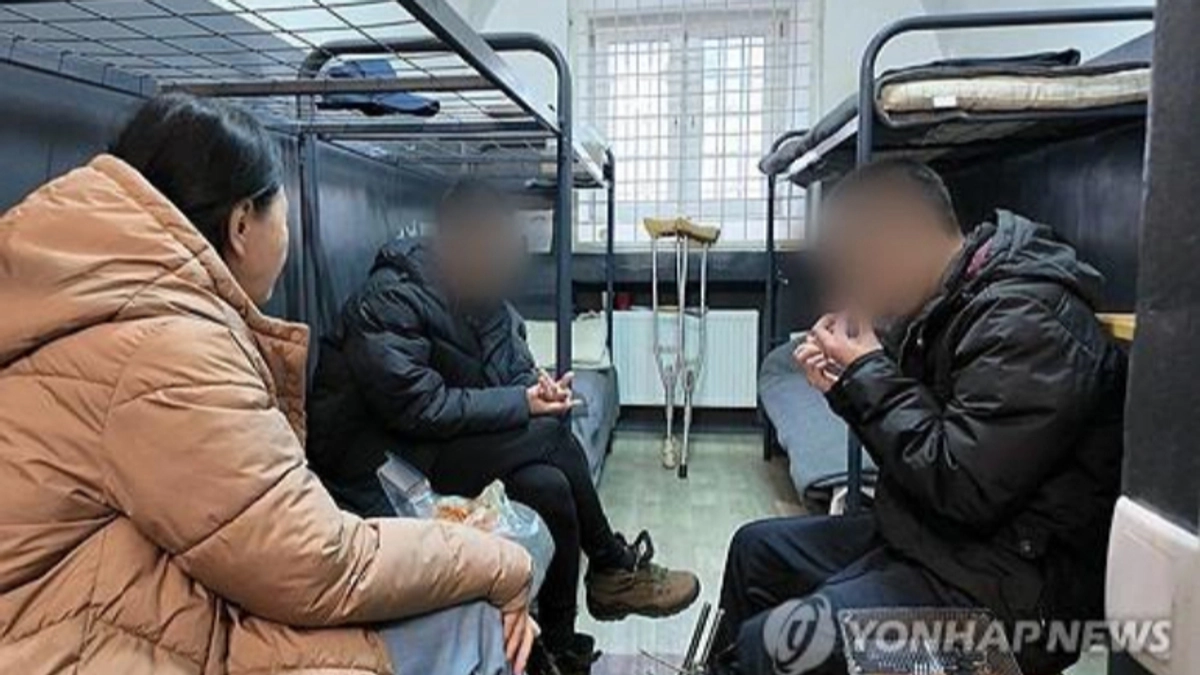
The diplomatic rift centers on two military personnel from North Korea whom Ukraine’s defense forces captured on January 11, 2025, during operations in Russia’s Kursk region. РБК-Україна noted that Seoul legally considers residents of North Korea as South Korean citizens.
Parliamentary Audit Reveals Insufficient Apologies
South Korean Foreign Minister Cho Hyun addressed the diplomatic crisis during a parliamentary audit of his ministry. Legislators pressed him on whether Kyiv had offered proper remorse for breaking an alleged confidentiality agreement.
LIGA reported that Cho confirmed maintaining constant communication with Ukrainian Foreign Minister Andriy Sybiha, who acknowledged the extreme difficulty of the situation and transmitted messages containing apologies.
Сообщения, которые я получил от Сибиги, содержали извинения. Но есть разница с ожидаемым уровнем, поэтому мы намерены принять решительные меры,
Cho stated to lawmakers, according to nv.ua.

Government officials in Seoul are actively reviewing a slate of potential diplomatic penalties. Lawmakers proposed recalling South Korean Ambassador to Ukraine Park Hee-chan as a direct consequence of the breach.
Zelenskyy Announces Prisoner Transfer Despite Confidentiality Agreement
The friction began after Ukrainian President Volodymyr Zelenskyy took the podium at the United Nations General Assembly on September 23 and announced that Ukraine had recently transferred the two North Korean prisoners to South Korea.
South Korean President Lee Jae-myung reacted sharply two days later, accusing Kyiv of violating a bilateral agreement to keep the transfer confidential. Administration officials in Seoul argued that the Ukrainian government itself initially requested confidentiality, fearing internal criticism over a missed opportunity to exchange the North Korean prisoners for Ukrainians.
Kyiv countered those assertions by denying that any agreement on confidentiality with Seoul existed. Ukrainian officials maintained they never accepted such an obligation and did not disclose details of the process. However, contrasting reports by nv.ua via the Korea JoongAng Daily indicated that Ukrainian diplomats did provide advance notice through official channels that Zelenskyy intended to mention the prisoners during his UN address.

The South Korean presidential office asserted that this unilateral disclosure severely eroded mutual trust and damaged bilateral relations. The Ministry of Foreign Affairs subsequently summoned acting Ukrainian Ambassador Andriy Veshkin on September 28 to demand official explanations.
Diplomatic Resolution Attempts Amid Escalating Tensions
Ukrainian Foreign Minister Andriy Sybiha characterized the mounting dispute as a diplomatic misunderstanding, expressing hope that the situation could soon be resolved.
Yet, the gap between Kyiv’s outreach and Seoul’s expectations remains wide. While South Korean intelligence maintains that Ukraine first asked Seoul not to disclose the transfer, the public airing of the prisoner transfer has transformed a sensitive humanitarian handover into an acute bilateral crisis.
As foreign ministries evaluate next steps, the fundamental question remains whether South Korea will proceed with recalling its ambassador or implement broader diplomatic sanctions against Kyiv.