South Korea Emerges as Global Leader in Spinal Endoscopy as International Surgeons Flock to Incheon Congress
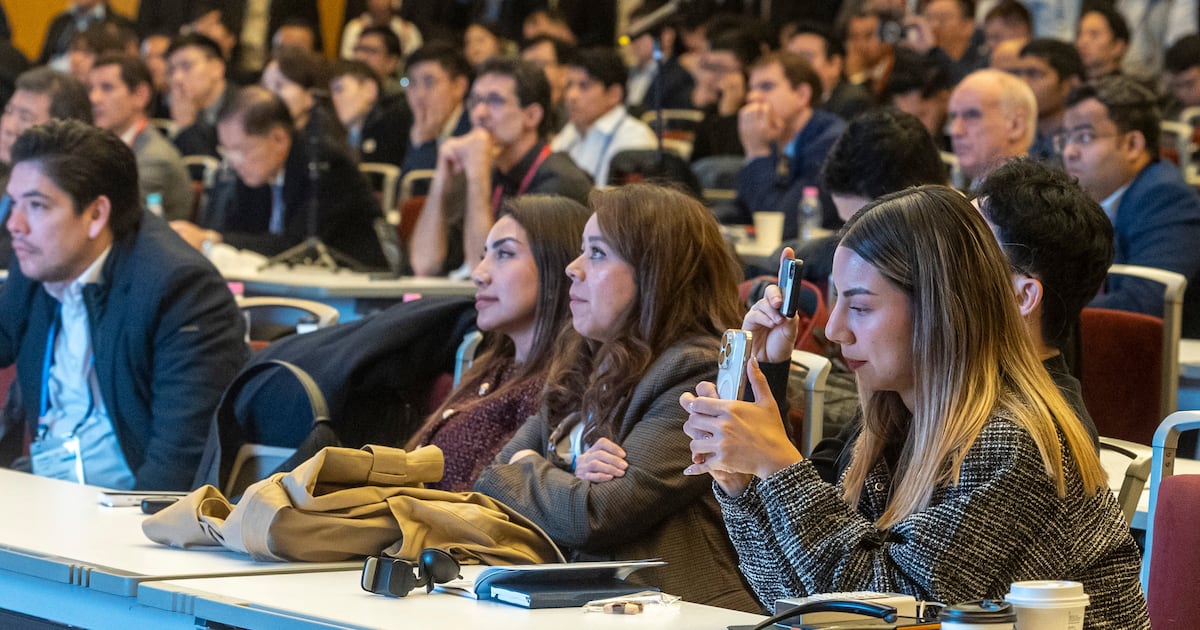
A total of 439 international medical professionals gathered in Incheon on Wednesday for the inaugural World Spine Endoscopy Congress, signaling South Korea’s rising influence in a field once pioneered by the United States and Germany.
The event, hosted at the Songdo Convensia and organized by the Korean Minimally Invasive Spine Society, drew participants from 37 countries.
The shift reflects a trend in domestic medical practice. Data from the National Health Insurance Service shows that the number of endoscopic spine surgeries in South Korea reached 31,729 last year, a 2.6-fold increase over four years. This 57.4% growth rate marked the highest among 35 major surgical procedures, including cataract, hemorrhoid, and cesarean section surgeries.
| Metric | Data |
|---|---|
| Annual Surgeries | 31,729 |
| Four-Year Growth | 2.6 times |
| Growth Rate | 57.4% |
Clinical experts attribute this progress to a unique domestic environment where private clinics often lead in procedural innovation while university hospitals provide the necessary academic validation. Research published in the journal Frontiers in Surgery in 2022 supports this standing; an analysis of 1,064 papers on spinal endoscopy placed South Korea first in global influence, ahead of the United States, Germany, China, and Japan.
The demand for training has moved beyond developing nations to include physicians from advanced economies. This interest extends to other specialized fields, with roughly 500 medical scholars from 60 countries visiting Asan Medical Center annually for training in areas such as cancer surgery and organ transplantation, according to 조선일보.
Despite the current influx of international surgeons, how these advanced techniques will be adopted and standardized across global healthcare systems is uncertain. The congress is scheduled to continue through November 29.