South Korea Denies US Request for Middle East War Funding
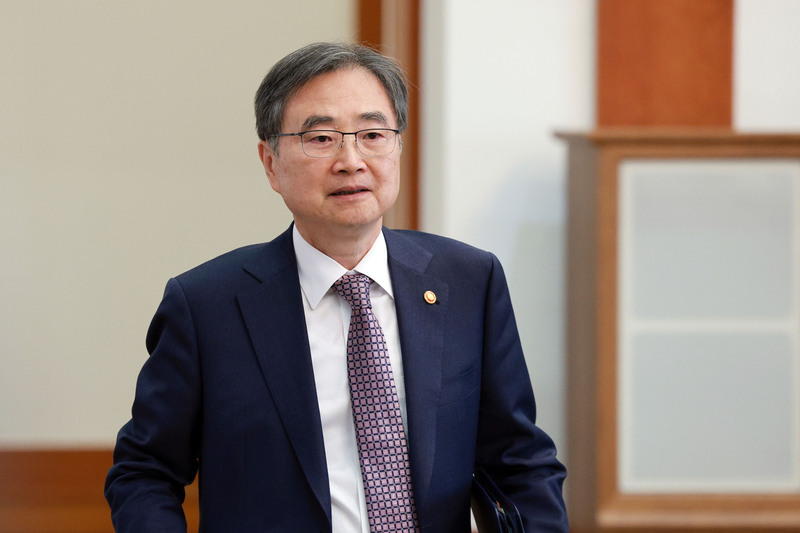
South Korean Foreign Minister Cho Hyun has officially denied receiving any request from the United States to share costs related to ongoing Middle East conflict operations. Speaking before the National Assembly on April 3, 2026, Cho clarified that whereas alliance cooperation remains robust, no financial burden-sharing demands for active war zones have been transmitted to Seoul, stabilizing immediate fears regarding South Korea’s fiscal exposure to overseas military engagements.
The Diplomatic Clarification
The statement comes at a critical juncture for global markets. Rumors had circulated in financial districts from Seoul to New York suggesting that Washington was seeking to expand the definition of “defense burden sharing” beyond the traditional stationing of troops in South Korea to include active combat support in the Middle East. Minister Cho’s testimony effectively dismantled these speculation-driven market jitters.
By explicitly stating that no such request exists, the Ministry of Foreign Affairs has drawn a clear line between stationing cost negotiations—the regular, often contentious talks regarding US Forces Korea (USFK)—and expeditionary war costs. This distinction is vital for investors and policymakers alike. It suggests that while diplomatic pressure may exist, the formal mechanism for transferring billions in war-related liabilities has not been activated.
The timing is significant. With the 2026 fiscal year well underway, any sudden, unplanned allocation of funds toward a foreign conflict would have required immediate legislative revision. Cho’s assurance allows the National Assembly to proceed with budget allocations focused on domestic infrastructure and regional defense, rather than emergency contingency funds for a theater thousands of miles away.
Historical Context: The Burden-Sharing Precedent
To understand the weight of this denial, one must look at the history of the Special Measures Agreement (SMA). For decades, the primary friction point between Washington and Seoul has been the cost of hosting American troops on the peninsula. However, the concept of “out-of-area” cost sharing—paying for US operations in the Middle East or Europe—is a diplomatic red line for many South Korean administrations.
The following table outlines the evolution of these financial negotiations, highlighting why a shift to “war cost sharing” would represent a seismic policy change:
| Agreement Era | Primary Focus | Financial Scope | Geopolitical Context |
|---|---|---|---|
| 2020-2025 SMA | Stationing Costs | Host Nation Support (Labor, Utilities, Construction) | Peninsula Defense & Deterrence |
| 2026 Speculation | Expeditionary War Costs | Active Combat Logistics & Munitions | Global Power Projection (Middle East) |
| Historical Precedent | Coalition Support | Non-combat Reconstruction Aid | Post-Conflict Stabilization (Iraq/Afghanistan) |
As the data shows, moving from “Host Nation Support” to “Active Combat Logistics” changes the legal and economic landscape entirely. It transforms a defensive alliance into a participatory war economy.
Market Stability and Supply Chain Implications
The immediate reaction from the currency markets was one of relief. The Korean Won, which had shown volatility earlier in the week on rumors of the cost-sharing demand, stabilized following Minister Cho’s testimony. For the export-driven South Korean economy, stability in the Middle East is not just a diplomatic concern; We see an energy security imperative.
However, the mere existence of the rumor highlights a vulnerability. Global supply chains remain fragile. If the geopolitical situation in the Middle East escalates further in late 2026, the pressure on allied nations to contribute financially or logistically will inevitably return, regardless of today’s denial.
“We are seeing a shift where alliance maintenance is increasingly viewed through a transactional lens. While Minister Cho has denied the request today, the structural pressure for allies to subsidize US global hegemony remains a latent risk factor for the next fiscal quarter.”
— Dr. Elena Ross, Senior Fellow at the Institute for Strategic Geopolitics
Businesses reliant on energy imports and shipping lanes through the Strait of Hormuz must remain vigilant. The denial of a direct cost request does not negate the indirect costs of war: higher oil prices, increased insurance premiums for maritime shipping, and potential sanctions regimes that complicate international trade.
Navigating the Legal and Financial Fallout
For corporations operating across the Pacific, clarity on defense spending is essential for long-term planning. Uncertainty regarding government levies or emergency taxes to fund foreign conflicts can disrupt capital expenditure plans. In this environment, having access to specialized counsel is not a luxury; it is a necessity.

Companies with significant exposure to US-Korea trade relations should consider auditing their risk portfolios. This is precisely the type of complex, cross-border regulatory environment where specialized international trade attorneys provide critical value. These professionals can help businesses navigate the shifting sands of defense procurement laws and ensure compliance with evolving sanctions that often accompany military escalations.
for logistics firms and energy importers, the volatility of the region requires robust contingency planning. Engaging with geopolitical risk consultants can help organizations model scenarios where indirect costs—such as fuel surcharges or route diversions—impact the bottom line, even if direct government contributions are not mandated.
The Road Ahead: Diplomacy vs. Economics
Minister Cho’s statement serves as a temporary shield, protecting the national budget from immediate external claims. However, the underlying dynamic remains unchanged: the United States continues to seek greater burden-sharing from its allies as it stretches its military resources across multiple theaters.
The relationship between Seoul and Washington is entering a phase of “strategic ambiguity” regarding financial commitments. While the door to war-cost sharing is closed for now, the window remains open for future negotiations as the 2026 SMA talks progress later in the year.
For the global observer, the lesson is clear: in an interconnected world, a diplomatic denial in a committee room in Seoul can ripple through oil markets in Dubai and trading floors in London. Staying informed is the first line of defense. As these geopolitical narratives evolve, relying on verified, professional intelligence becomes paramount. Whether you are securing assets or planning expansion, the World Today News Directory remains your essential resource for connecting with the experts who navigate these complex international currents.