
South Korea Committee Passes Bill to Make Labor Day a Public Holiday
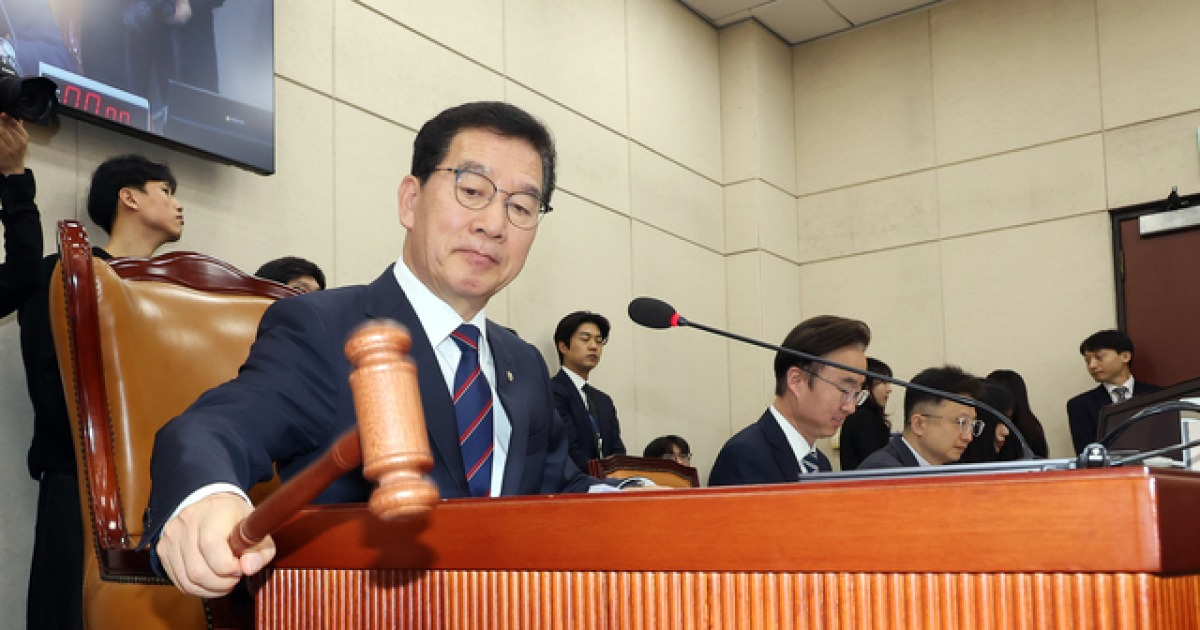
South Korea’s National Assembly has passed legislation establishing May 1st as a national public holiday, effectively extending the Labor Day weekend. The move, approved by the Administrative Safety Committee on March 26th, aims to improve conditions for non-standard workers and address historical inequities. This decision introduces significant implications for businesses, particularly regarding workforce planning, operational costs, and potential supply chain disruptions, demanding proactive risk mitigation strategies.
The core issue isn’t simply an extra day off; it’s a recalibration of labor costs and operational efficiency. While intended to benefit a broader segment of the workforce – including public servants and those in precarious employment arrangements previously excluded from the benefit – the immediate impact will be felt in corporate bottom lines. Companies must now factor in increased overtime expenses, potential production slowdowns, and the logistical challenges of extended closures. This is especially acute for manufacturers reliant on just-in-time inventory management. The ripple effect extends to sectors like logistics and transportation, requiring them to adjust schedules and potentially increase capacity to accommodate pre- and post-holiday surges.
The Historical Context and Economic Implications
Labor Day in South Korea, originally established as a paid holiday in 1994, historically excluded public officials and those in non-traditional employment. This disparity fueled calls for a more inclusive designation. The Ministry of Employment and Labor initiated the push for a formal “Workers’ Day” designation last November, culminating in today’s legislative victory. However, the economic consequences are substantial. A recent report by the Korea Economic Research Institute estimates that the additional public holiday could reduce national GDP by approximately 0.2% annually, primarily due to lost productivity. This figure doesn’t account for potential increases in domestic consumption spurred by the longer weekend, a factor that could partially offset the losses.
The timing of this decision, coinciding with preparations for the June 3rd local elections and the passage of the Busan Global Hub City Development Act, raises questions about political motivations. Busan Mayor Park Hyung-jun’s symbolic gesture of shaving his head to advocate for the Busan Act underscores the high stakes involved in these legislative maneuvers. The broader trend reveals a government actively responding to public pressure while simultaneously attempting to stimulate regional economic growth.
Supply Chain Vulnerabilities and the Require for Resilience
The extended holiday presents a clear vulnerability for South Korean supply chains, already strained by global geopolitical uncertainties. Companies heavily reliant on domestic suppliers will face potential delays, and disruptions. According to data from the Korea International Trade Association, South Korea’s manufacturing sector experienced a 7% increase in lead times during similar extended holiday periods in the past. This necessitates a robust risk management framework, including diversifying suppliers, building buffer inventories, and investing in supply chain visibility technologies.
“We’re seeing a fundamental shift in how companies approach risk. The days of solely focusing on cost optimization are over. Resilience is now paramount, and that requires a willingness to invest in redundancy and proactive planning.” – Lee Min-ho, Portfolio Manager, Mirae Asset Global Investments.
The situation demands that businesses proactively assess their exposure and implement mitigation strategies. This is where specialized supply chain consulting firms become invaluable, offering expertise in risk assessment, supplier diversification, and logistics optimization. Companies should explore leveraging advanced analytics platforms to gain real-time visibility into their supply chains and identify potential bottlenecks before they materialize.
Beyond Labor Day: A Wave of Legislative Changes
The passage of the Labor Day legislation is just one piece of a larger legislative agenda. The simultaneous approval of the Busan Global Hub City Development Act, the Jeju Special Self-Governing Province Support Act, and the Social Solidarity Economy Activation Act signals a broader government commitment to regional development and social welfare. The Social Solidarity Economy Act, in particular, aims to support social enterprises, cooperatives, and other organizations focused on social impact. This creates opportunities for businesses seeking to engage in corporate social responsibility initiatives and build stronger relationships with local communities.
Other approved amendments include stricter penalties for aiding and abetting drunk driving, expanding the use of regional love gift certificates, and regulations concerning “fixie” bicycles. While seemingly disparate, these changes reflect a government intent on addressing a wide range of social and economic concerns.
Navigating the Legal Landscape and Compliance Challenges
The implementation of the recent Labor Day holiday will require companies to update their employment contracts, payroll systems, and internal policies to ensure compliance with the revised regulations. This is a complex undertaking, particularly for multinational corporations operating in South Korea. Failure to comply could result in significant fines and legal liabilities.
The evolving regulatory environment underscores the importance of proactive legal counsel. Companies should engage with experienced corporate law firms specializing in Korean labor law to navigate the complexities of the new regulations and ensure full compliance. These firms can provide guidance on contract revisions, policy updates, and dispute resolution.
The Impact on Financial Planning and Forecasting
The additional public holiday will inevitably impact financial planning and forecasting for the upcoming fiscal quarters. Companies will need to adjust their revenue projections, expense budgets, and cash flow forecasts to account for the lost productivity and increased labor costs. This requires a detailed analysis of the potential impact on each business unit and a willingness to revise assumptions as new information becomes available.
The increased volatility in the economic environment necessitates a more sophisticated approach to financial risk management. Companies should consider utilizing advanced financial modeling techniques and scenario planning to assess the potential impact of various economic shocks.
“The Korean economy is facing a confluence of challenges – geopolitical tensions, rising inflation, and now, an additional public holiday. Companies need to be prepared for a period of heightened uncertainty and volatility.” – Kim Ji-hoon, Chief Economist, Samsung Economic Research Institute.
the shift towards a more inclusive Labor Day designation could have long-term implications for labor market dynamics. Increased worker bargaining power could lead to higher wage demands and increased pressure on companies to improve working conditions.
The current economic climate demands a proactive and strategic approach to business operations. The passage of the Labor Day legislation is a clear signal that companies must adapt to a changing regulatory landscape and prioritize resilience, compliance, and long-term sustainability.
To navigate these complexities and capitalize on emerging opportunities, businesses require access to trusted partners and specialized expertise. The World Today News Directory provides a comprehensive platform for connecting with vetted financial advisory services, legal counsel, and supply chain management solutions. Don’t let regulatory changes disrupt your growth trajectory – leverage our directory to discover the partners you need to thrive in today’s dynamic market.