
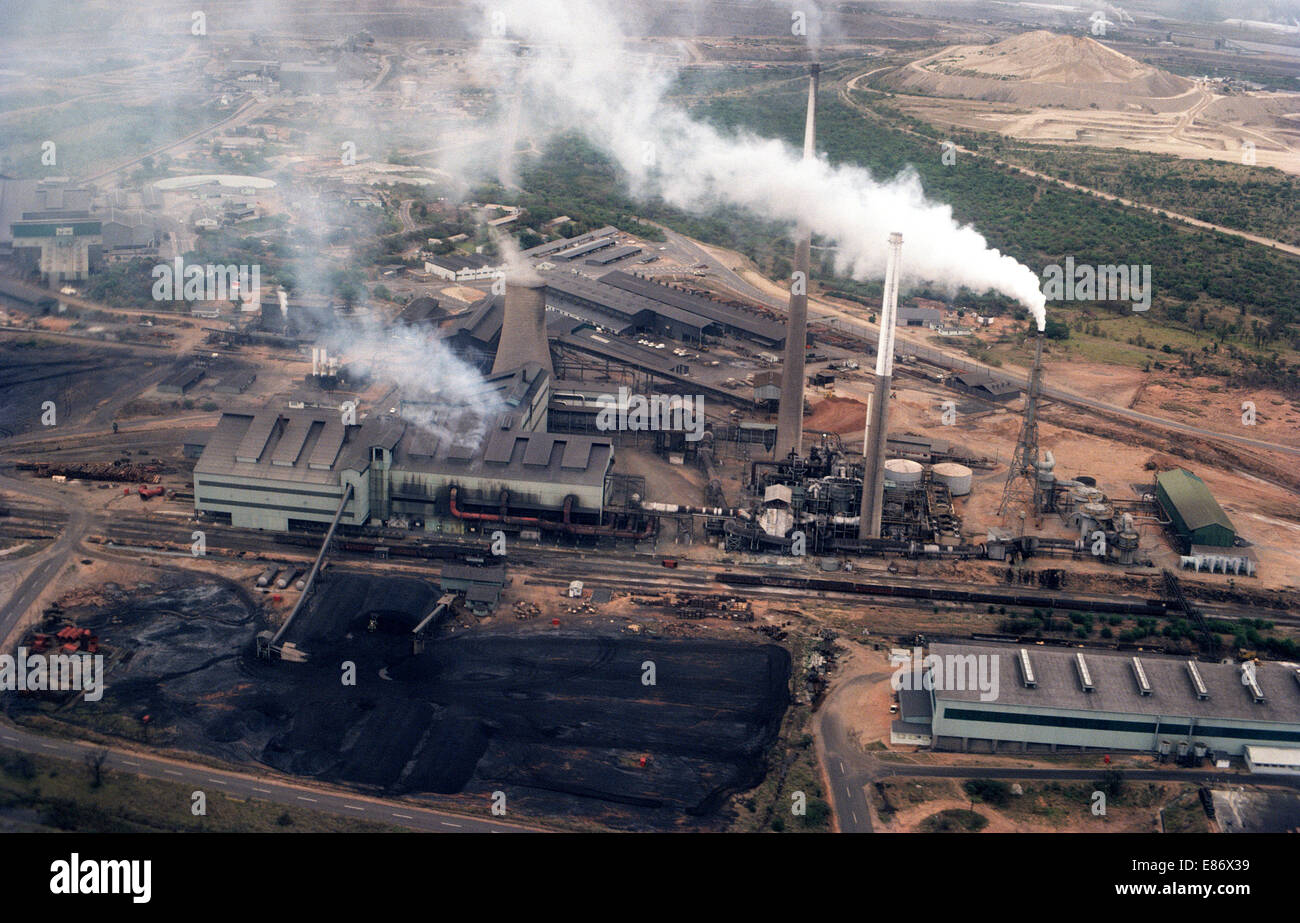
South Africa’s Oldest Mining Town Set for Copper Revival
South Africa’s oldest mining town is reviving copper operations to meet surging global demand for green energy infrastructure. Driven by a shift toward renewable technologies, this resurgence leverages historical deposits to strengthen the regional supply chain and boost JSE-listed mining growth through the 2026 fiscal window.
The fundamental problem facing this comeback isn’t the presence of ore, but the staggering capital expenditure required to modernize legacy sites. Transitioning from colonial-era pits to high-yield industrial output requires massive liquidity and a complex navigation of current regulatory frameworks. This operational gap creates a critical dependency on specialized corporate law firms capable of managing mining rights and land-leverage agreements in a volatile political climate.
The Production Hierarchy: Analyzing the Top Five
The current copper landscape in South Africa is dominated by a handful of heavy hitters, yet the disparity in output reveals a fragmented market. Based on GlobalData’s mining database, the Palabora Mine stands as the clear leader. Owned by HBIS Group, this Limpopo-based operation produced an estimated 15.42 thousand tonnes in 2023. However, its timeline is the most pressing; the mine is slated to operate only until 2034, creating a looming supply vacuum that new projects must fill.
Following Palabora is the Mogalakwena Mine, an Anglo American Plc asset also located in Limpopo. With 9.38 thousand tonnes produced in 2023, Mogalakwena offers a longer investment horizon, with operations expected to run until 2040. The shift from Palabora’s dominance to Mogalakwena’s stability highlights a transition in how the industry manages asset lifecycles.
Further south, the Black Mountain Mine in the Northern Cape, owned by Vedanta Resources, produced 2.72 thousand tonnes in 2023. While its output is lower, its longevity is an outlier. The mine is projected to operate until 2081. This nearly century-long window makes it a strategic anchor for long-term capital allocation, providing a hedge against the shorter lifespans of Limpopo’s primary sites.
The North West province hosts the remaining top-tier assets. The Rustenburg Complex, operated by Sibanye Stillwater, contributed 1.69 thousand tonnes in 2023 and will remain active until 2051. Meanwhile, the Pilanesberg Mine, owned by Sedibelo Resources, produced 1.44 thousand tonnes and is expected to operate until 2060. These figures underscore a tiered production model where a few massive operations carry the bulk of the national output, while mid-tier mines provide long-term stability.
With only 19 operational copper mines in a global pool of over 709, South Africa is punching below its weight. The opportunity for growth is massive, provided the industry can solve the logistical bottlenecks inherent in the Northern and Eastern Cape provinces.
The JSE Growth Engine and the Green Pivot
The Johannesburg Stock Exchange (JSE) has become a primary barometer for this recovery. In 2023, JSE-listed copper companies saw sector growth exceeding 15%. This isn’t a random spike. This proves a direct reaction to the global decarbonization trend. Copper is the nervous system of the green energy transition, essential for electrical infrastructure, electronics, and renewable energy technologies.

As demand surges, the focus is shifting toward underexplored mineral deposits. This exploration phase is high-risk and capital-intensive, often requiring firms to partner with environmental consultants to ensure ESG compliance before a single ton of earth is moved. The market is currently favoring mid-tier producers and diversified portfolios that can pivot quickly as global prices fluctuate.
The “comeback” of the oldest mining town, once the crown jewel of the Cape Copper Company, is a signal to institutional investors that historical sites are once again economically viable. When the cost of extraction is offset by the skyrocketing value of “green” copper, legacy assets that were written off decades ago suddenly return to the balance sheet as high-value opportunities.
Three Macro Shifts Redefining the Industry
The resurgence of copper mining in South Africa is not a simple return to the past. It is a structural reorganization of the mineral value chain. The following trends are dictating the current trajectory:
- The Lifespan Arbitrage: Investors are no longer just looking at current tonnage but at the “tail” of the mine. The contrast between Palabora (closing 2034) and Black Mountain (closing 2081) creates a strategic divide between short-term cash-flow plays and long-term institutional holds.
- Geographic Decentralization: While Limpopo remains a powerhouse, there is a concerted push toward the Northern and Eastern Cape. This shift requires a total overhaul of regional industrial logistics providers to move heavy ore from remote sites to export hubs.
- Technological Adaptation: The industry is moving away from rudimentary extraction toward high-tech surface and underground hybrids. This evolution is necessary to maintain margins as ore grades decline in older pits.
The fiscal reality is that South Africa’s copper sector is smaller than its gold or platinum counterparts, but it is more strategically aligned with the 2026 global economy. The volatility of the transition is where the profit lies for those who can manage the risk.
The road to a copper renaissance is paved with operational hurdles. From the 15% growth seen on the JSE to the century-long horizon of the Black Mountain Mine, the data suggests a sector in the midst of a violent but profitable rebirth. The winners will be the firms that can bridge the gap between historical deposits and modern efficiency.
Navigating this landscape requires more than just geological data; it requires a network of vetted partners. Whether you are scaling operations or securing mineral rights, the World Today News Directory connects you with the precise B2B entities needed to turn raw deposits into realized revenue.