
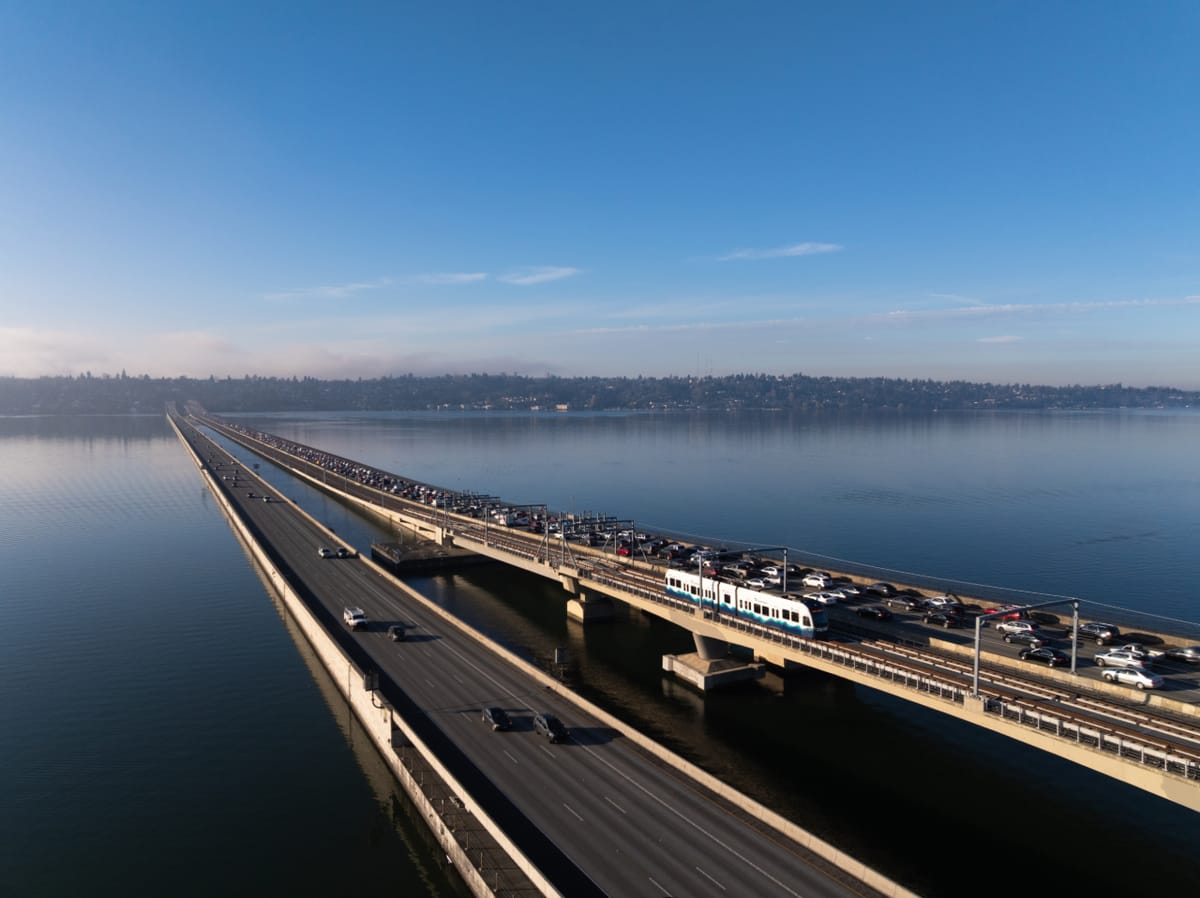
Sound Transit’s 2 Line: Seattle & Eastside Light Rail Finally Connect
Sound Transit’s 2 Line officially connects Seattle and the Eastside via Lake Washington today, marking a pivotal moment for regional transit and economic integration. The expansion, years in the making and overcoming significant legal hurdles, promises to reshape commuting patterns, unlock real estate value and present both opportunities and challenges for businesses operating in the Puget Sound area. This expansion isn’t just about moving people; it’s about fundamentally altering the economic geography of the region.
The immediate impact of this expanded light rail network is a reduction in commute times and increased accessibility, but the underlying fiscal problem is the strain on existing infrastructure and the need for proactive urban planning to capitalize on the increased connectivity. Businesses reliant on efficient logistics and workforce mobility will be keenly observing the network’s performance, and many will require expert guidance in navigating the evolving regulatory landscape. This is where specialized urban planning consultancies become invaluable, assisting developers and businesses in optimizing their strategies for this new era of regional transit.
Decades of Development: From Vision to Reality
The journey to today’s launch has been anything but straightforward. The initial concept of light rail traversing Lake Washington dates back to the 1980s, embedded within the design of the Homer M. Hadley bridge. Still, realizing this vision required navigating a complex web of political opposition, legal challenges, and engineering feats – including becoming the world’s first light rail system operating on a floating bridge. The legal battles, particularly those instigated by Bellevue property developer Kemper Freeman, underscore the inherent tensions between public infrastructure projects and private interests. Freeman’s lawsuits, ultimately unsuccessful, highlight the importance of robust legal counsel for public transit authorities. Firms specializing in infrastructure law are critical in defending these projects against protracted legal challenges.
Ridership Projections and Economic Impact
Sound Transit initially projected significant ridership increases with the 2 Line’s expansion, and early data from the Redmond and Bellevue segments, operational since 2024, have already exceeded expectations. According to Sound Transit’s latest ridership report (available on their investor relations page: https://www.soundtransit.org/about/documents/ridership-reports), the 2 Line saw a 22% increase in average weekday ridership in Q1 2026 compared to Q1 2025. This surge in demand translates to increased economic activity around station hubs, driving up property values and attracting new businesses. However, this growth also necessitates careful management of potential inflationary pressures and the need for affordable housing initiatives.
“The Crosslake Connection isn’t just a transit project; it’s a catalyst for economic development. We’re already seeing increased interest from businesses looking to establish a presence near the new stations, recognizing the value of access to a skilled workforce and a more connected regional economy.” – Michael Green, Managing Director, Pacific Northwest Real Estate Investors Group.
The Eastside Transformation and Real Estate Dynamics
The opening of the 2 Line is poised to accelerate the transformation of the Eastside from a primarily suburban area to a more vibrant, 24/7 urban center. Downtown Redmond, now directly connected to Seattle via a single train ride, is experiencing a surge in commercial and residential development. This shift is creating opportunities for real estate investment, but also presents challenges related to infrastructure capacity and community planning. The increased demand for construction materials and skilled labor is already impacting project timelines and budgets. Companies involved in construction project management are facing increased scrutiny to deliver projects on time and within budget. Specialized construction project management firms are becoming essential partners for developers navigating these complexities.
Navigating the Regulatory Landscape and Future Expansion
The successful completion of the 2 Line underscores the importance of effective collaboration between public agencies and private stakeholders. However, future expansion projects will likely face similar regulatory hurdles and legal challenges. The ongoing debate surrounding housing density near transit stations, exemplified by the disputes on Mercer Island, highlights the need for proactive policy solutions that balance the benefits of transit-oriented development with the concerns of local communities. The Washington State Department of Transportation (WSDOT) is actively working on streamlining the permitting process for transit projects, but navigating the complex regulatory landscape still requires specialized expertise.
the long-term financial sustainability of the expanded light rail network will depend on continued investment in maintenance and upgrades. Sound Transit is currently exploring various funding options, including federal grants, state appropriations, and local tax revenues. The agency’s ability to secure these funds will be crucial for ensuring the long-term viability of the system. According to the latest SEC filing (Sound Transit, Form 10-K, filed February 28, 2026), the agency anticipates needing $3.2 billion in additional funding over the next five years to complete planned expansions.
The Broader Implications for Puget Sound
The 2 Line’s Crosslake Connection is more than just a transportation project; it’s a symbol of the Puget Sound region’s commitment to sustainable growth and economic innovation. By connecting Seattle and the Eastside, the expanded light rail network is fostering a more integrated and resilient regional economy. However, realizing the full potential of this investment will require continued collaboration, proactive planning, and a willingness to address the challenges that lie ahead. The ripple effects will be felt across multiple sectors, from real estate and construction to technology and tourism.
As the region evolves, businesses will need to adapt to the changing dynamics and leverage the opportunities presented by the expanded light rail network. Those that proactively embrace these changes and seek expert guidance will be best positioned to thrive in the years to come. The World Today News Directory is your resource for identifying and connecting with the vetted B2B partners you need to navigate this evolving landscape. From urban planning and infrastructure law to construction project management and financial advisory services, we provide access to the expertise you need to succeed in the new Puget Sound economy.